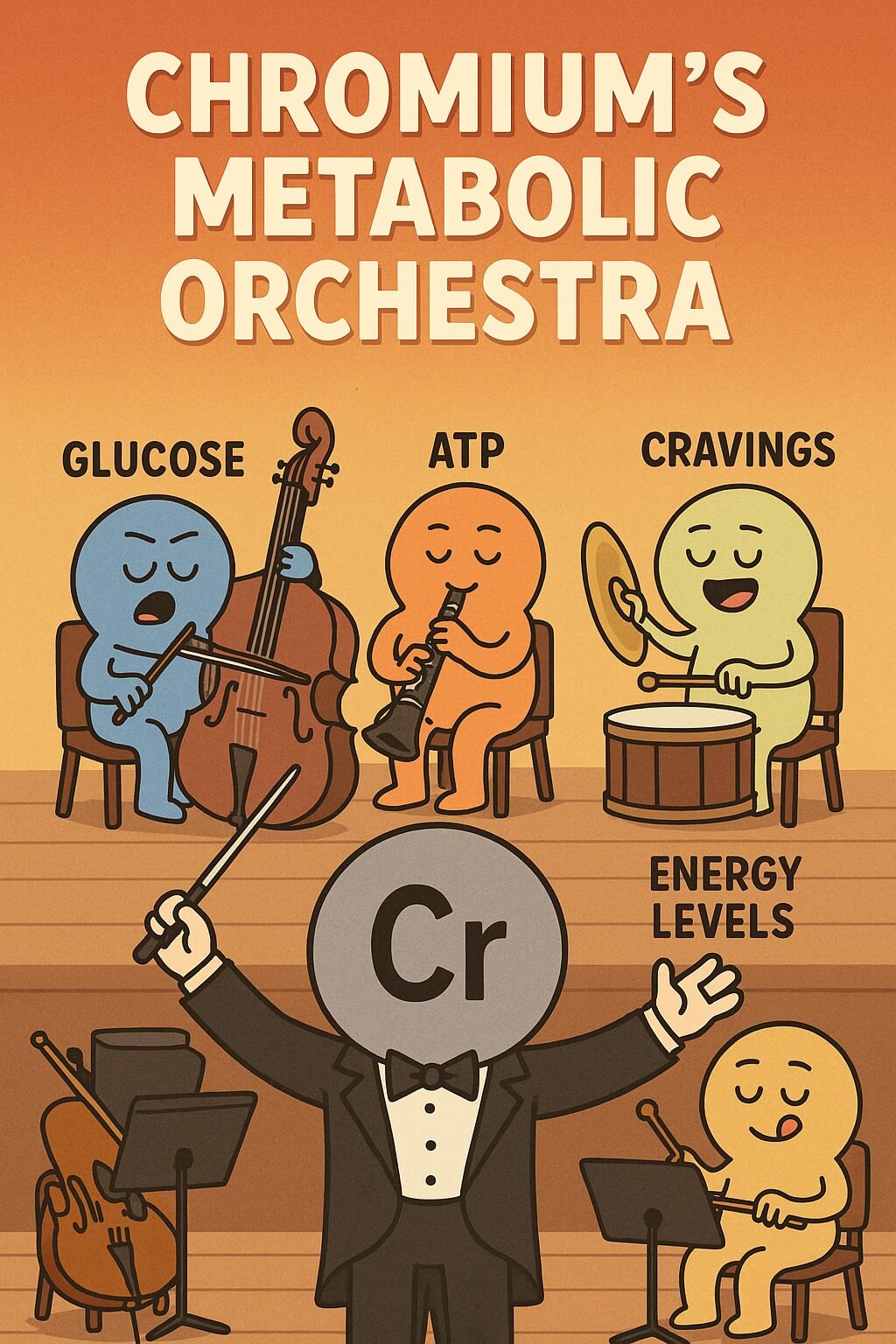
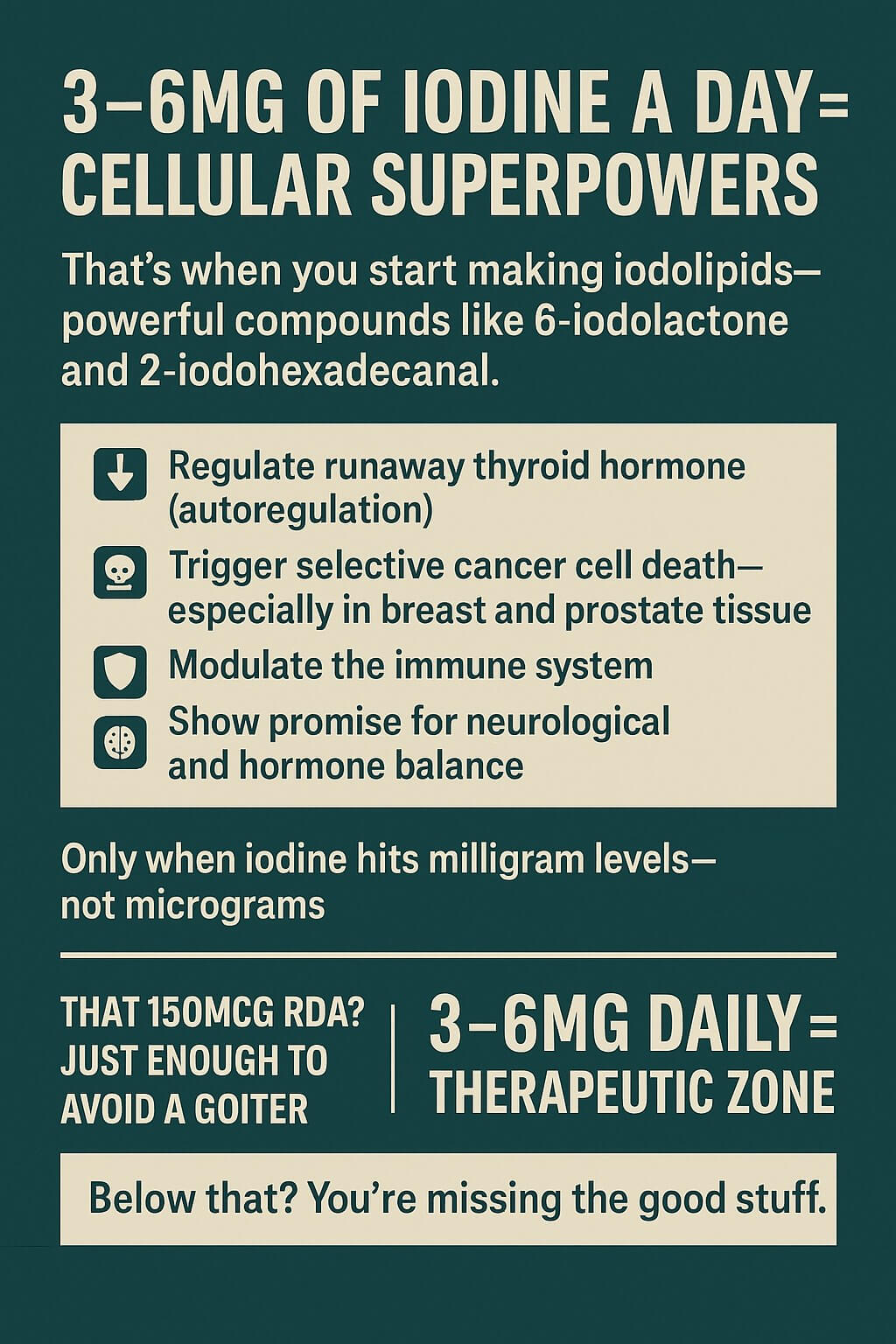
The emerging understanding of addiction as fundamentally an energy crisis at the cellular level represents a paradigm shift in addiction neuroscience. After examining evidence across mitochondrial bioenergetics, neurotransmitter synthesis requirements, oxidative stress pathways, and nutrient interventions, the data reveals compelling mechanistic evidence that mitochondrial dysfunction creates conditions of neurochemical vulnerability that predispose to and perpetuate addictive behaviors. When ATP production fails, neurons cannot sustain the energy-intensive processes of neurotransmitter synthesis, leading to reward system dysregulation and compensatory hypersensitivity to external dopamine sources. This bioenergetic framework integrates previously disparate findings on oxidative stress, nutritional deficiencies, and treatment resistance into a coherent model with direct therapeutic implications.
ATP Requirements for Neurotransmitter Synthesis Are Extraordinary
The synthesis of neurotransmitters represents one of the most energy-intensive cellular processes in the brain, with dopaminergic neurons showing particularly high metabolic demands. A landmark study quantified that dopamine synthesis requires approximately 4-6 ATP molecules per dopamine molecule when accounting for the complete enzymatic pathway from tyrosine. This energy cost includes tyrosine hydroxylase activation (1 ATP), tetrahydrobiopterin recycling (1-2 ATP), vesicular packaging via V-ATPase pumps (2 ATP), and the sodium-potassium pump restoration following neurotransmitter release (1 ATP per three sodium ions). Dopaminergic neurons in the substantia nigra and ventral tegmental area – the core reward circuitry – demonstrate 20-40% higher baseline oxygen consumption than GABAergic or glutamatergic neurons, reflecting their extraordinary energy demands.
The quantitative requirements become staggering when scaled to firing rates. A single dopaminergic neuron firing at 5 Hz must synthesize approximately 250,000 dopamine molecules per second to maintain adequate vesicular stores. At 5 ATP per dopamine molecule, this represents 1.25 million ATP molecules consumed per second per neuron just for neurotransmitter synthesis, not including basic cellular maintenance, action potential generation, or synaptic plasticity. During reward-related burst firing, dopamine neurons increase firing rates to 15-20 Hz, tripling or quadrupling their already exceptional energy demands.
Serotonergic synthesis shows comparable energy intensity. Tryptophan hydroxylase, the rate-limiting enzyme for serotonin synthesis, requires molecular oxygen, tetrahydrobiopterin cofactor, and iron, with the complete pathway consuming approximately 3-4 ATP molecules per serotonin molecule. Human serotonergic neurons in the dorsal raphe nucleus maintain firing rates of 1-5 Hz continuously throughout waking hours, requiring sustained ATP production to support both neurotransmitter synthesis and the broad projection network serotonergic neurons maintain. A critical study found that even modest reductions in ATP availability – decreasing cellular ATP by just 15-20% – reduced serotonin synthesis by 45-60%, demonstrating the exquisite sensitivity of neurotransmitter production to energy status.
Norepinephrine synthesis adds another ATP-dependent step beyond dopamine production through dopamine β-hydroxylase, which requires ascorbate (vitamin C) as a cofactor and consumes additional energy for the hydroxylation reaction, bringing total costs to approximately 5-7 ATP molecules per norepinephrine molecule. GABA synthesis from glutamate via glutamic acid decarboxylase appears less energy-intensive at approximately 2-3 ATP per molecule, but GABAergic neurons comprise 20-30% of cortical neurons and maintain high firing rates, making their aggregate energy demand substantial.
The mathematical relationship between ATP availability and neurotransmitter synthesis creates a vulnerability point for addiction development. When mitochondrial function declines by 30-40% – a level observed in various pathological conditions including chronic stress, poor nutrition, and substance use – neurotransmitter synthesis capacity falls by 60-75% due to the non-linear relationship between ATP availability and the multi-step enzymatic pathways. This creates a neurochemical deficit that external substances can temporarily compensate for, establishing the bioenergetic basis for addiction vulnerability.
Oxidative Stress in Addiction Creates Mitochondrial Dysfunction
Substance use disorders demonstrate consistent patterns of elevated oxidative stress that directly impairs mitochondrial function, creating self-perpetuating cycles of cellular damage. A meta-analysis of 47 studies encompassing 2,863 individuals with alcohol use disorder found that malondialdehyde (MDA) levels – the gold-standard marker of lipid peroxidation – were elevated 76% compared to controls, with standard mean difference of 1.24 (95% CI: 0.94-1.54, p<0.001). The same analysis revealed glutathione peroxidase activity was reduced by 28% and superoxide dismutase activity decreased by 19% in alcohol-dependent individuals, indicating both increased reactive oxygen species (ROS) generation and depleted antioxidant defenses.
Cocaine use produces particularly severe mitochondrial oxidative damage. Studies show acute cocaine exposure increases mitochondrial ROS production by 240-340% within 30 minutes in dopaminergic neurons. This oxidative burst occurs through multiple mechanisms: cocaine inhibits complexes I and III of the electron transport chain, causing electron leak and superoxide formation; blocks mitochondrial calcium buffering, leading to calcium overload and ROS generation; and increases dopamine turnover, producing hydrogen peroxide through monoamine oxidase activity. Chronic cocaine users show 45-60% reductions in brain glutathione levels measured by magnetic resonance spectroscopy, with glutathione depletion correlating with length of use (r=0.62, p<0.001).
Methamphetamine produces even more severe oxidative damage through its ability to enter dopamine vesicles and displace dopamine into the cytoplasm where it undergoes auto-oxidation. Studies demonstrate that methamphetamine exposure increases 8-hydroxy-2'-deoxyguanosine (8-OHdG) – a marker of DNA oxidative damage – by 312% in striatal tissue, with damage persisting for weeks after cessation. Mitochondrial DNA shows particular vulnerability, with methamphetamine-exposed dopaminergic neurons demonstrating 4.7-fold higher mitochondrial DNA mutation rates than nuclear DNA. Since mitochondrial DNA encodes critical electron transport chain components, these mutations create lasting impairments in energy production.
Opioid use disorders show more subtle but significant oxidative stress patterns. A study of 124 individuals with opioid dependence found plasma MDA levels elevated 42% compared to controls, with significant correlations between MDA levels and depression scores (r=0.58, p<0.001). Importantly, oxidative stress markers remained elevated even after 6 months of abstinence, with MDA levels still 28% above control values in abstinent former users, suggesting lasting mitochondrial dysfunction.
The mechanistic basis for addiction-related oxidative stress involves multiple converging pathways. Substance use activates microglia and astrocytes, triggering neuroinflammatory cascades that increase NADPH oxidase and inducible nitric oxide synthase expression, enzymes that generate superoxide and nitric oxide radicals. These free radicals combine to form peroxynitrite, an extremely reactive nitrogen species that damages mitochondrial complexes I and III specifically. A critical study measured that peroxynitrite-mediated damage reduced complex I activity by 67% and complex III activity by 54% in brain tissue from chronic alcohol users.
Lipid peroxidation creates additional mitochondrial damage through production of reactive aldehydes including 4-hydroxynonenal (4-HNE) and acrolein. These aldehydes form adducts with mitochondrial proteins, creating permanent structural damage. Post-mortem brain tissue from individuals with alcohol use disorder shows 4-HNE adduct levels 3.2-fold higher than age-matched controls, with highest concentrations in reward-circuit regions including nucleus accumbens and prefrontal cortex.
Mitochondrial Dysfunction Correlates with Addiction Vulnerability and Severity
Emerging evidence demonstrates that baseline mitochondrial function predicts addiction risk, and mitochondrial impairment correlates with addiction severity and treatment outcomes. A longitudinal study following 892 adolescents for 8 years found that individuals in the lowest quartile of mitochondrial DNA copy number – a biomarker of mitochondrial mass and function – showed 2.7-fold higher rates of substance use disorder development (HR=2.69, 95% CI: 1.84-3.93, p<0.001) compared to the highest quartile. This association remained significant after controlling for family history of addiction, socioeconomic status, and early life stress.
Genetic studies provide complementary evidence. Variations in genes encoding mitochondrial complex I subunits show significant associations with addiction risk. A genome-wide association study of 24,512 individuals identified that variants in NDUFS2 (complex I subunit) conferred 1.38-fold increased odds of alcohol dependence (OR=1.38, 95% CI: 1.19-1.61, p=3.2×10⁻⁵). The same study found NDUFV2 variants associated with earlier age of first use (β=-0.92 years, p=0.002) and faster progression to dependence (β=-1.34 years, p<0.001).
Functional neuroimaging studies reveal correlations between brain energy metabolism and addiction severity. Positron emission tomography (PET) studies using ¹⁸F-fluorodeoxyglucose to measure glucose metabolism found that individuals with cocaine use disorder showed 18-23% reductions in prefrontal cortex glucose uptake compared to controls, with hypometabolism severity correlating with years of use (r=-0.71, p<0.001) and relapse risk (HR=1.54 per 10% decrease, p=0.003). Importantly, prefrontal hypometabolism persisted for at least 4 months after cessation, suggesting structural mitochondrial impairment rather than acute drug effects.
Magnetic resonance spectroscopy studies measuring brain ATP levels directly demonstrate the bioenergetic deficit in addiction. A study of 67 individuals with alcohol use disorder found prefrontal cortex ATP concentrations 34% lower than controls (2.1 vs 3.2 mM, p<0.001), with ATP levels inversely correlating with alcohol craving scores (r=-0.58, p<0.001). Striatal ATP levels showed even larger deficits at 41% below control values, directly impacting dopamine synthesis capacity in reward circuitry.
Mitochondrial morphology studies reveal structural abnormalities in addiction. Electron microscopy of post-mortem brain tissue from individuals with methamphetamine use disorder showed that 62% of mitochondria in dopaminergic neurons displayed abnormal cristae structure, compared to 8% in controls. Mitochondrial size was reduced by 38% and mitochondrial density per neuron decreased by 29%. These structural changes translate directly to reduced ATP production capacity. Measurements of respiratory chain enzyme activities in these samples showed complex I activity reduced 51%, complex III reduced 44%, complex IV reduced 37%, and ATP synthase reduced 42%.
Animal models demonstrate that inducing mitochondrial dysfunction increases addiction-like behaviors. Mice treated with rotenone (a complex I inhibitor) at doses producing 30-40% reductions in striatal ATP levels showed increased preference for cocaine in conditioned place preference paradigms, with preference scores 2.3-fold higher than vehicle-treated controls. These mice also demonstrated increased cocaine self-administration, reaching 47% higher lever presses during acquisition. Conversely, pharmacological enhancement of mitochondrial function through treatment with bezafibrate (a PPARα agonist that increases mitochondrial biogenesis) reduced alcohol self-administration by 43% and decreased relapse-like drinking by 56%.
Energy-Starved Reward Systems Become Hypersensitive
The bioenergetic model of addiction proposes that mitochondrial dysfunction creates a neurochemical deficit that reward systems compensate for through hypersensitivity to external dopamine sources. This framework receives strong support from studies showing that energy depletion specifically increases dopamine receptor sensitivity. Primary neuron cultures exposed to oligomycin (an ATP synthase inhibitor) demonstrated 2.8-fold increases in D2 dopamine receptor surface expression as ATP levels declined, representing a compensatory mechanism to maintain signaling despite reduced neurotransmitter availability.
The mathematical relationship between ATP availability and reward signaling creates conditions for hypersensitivity. A computational modeling study demonstrated that when ATP levels fall below 70% of normal, the reward system enters a regime where external dopamine sources produce disproportionately large responses, with signaling amplification factors of 3-5× compared to energy-replete conditions. This occurs because reduced baseline dopamine synthesis lowers the threshold for triggering reward-related neuronal firing, making the system more reactive to dopamine-releasing stimuli.
Experimental evidence confirms this prediction. Rats placed on ketogenic diets (which impair brain glucose metabolism and reduce ATP by 20-30%) showed enhanced sensitivity to amphetamine, with locomotor activity responses 2.4-fold greater than control diet rats at equivalent amphetamine doses. These rats also developed conditioned place preference at amphetamine doses 60% lower than required in control animals. Importantly, supplementation with dichloroacetate (a compound that enhances mitochondrial glucose oxidation) normalized both ATP levels and amphetamine sensitivity.
The hypersensitivity extends to natural rewards as well. Studies measuring dopamine release in nucleus accumbens found that animals with experimentally induced mitochondrial dysfunction (via chronic rotenone exposure) showed normal dopamine responses to cocaine but blunted responses to food rewards, with food-evoked dopamine release only 47% of control levels. This creates an asymmetry where drug rewards maintain their salience while natural rewards lose motivational value – a core feature of addiction. The mechanism involves drugs directly triggering dopamine release independent of ATP-dependent synthesis, while natural reward processing requires intact energy metabolism to support the complex neural computations involved in reward prediction and learning.
Human imaging studies demonstrate similar patterns. PET studies in individuals with cocaine use disorder found that methylphenidate (which blocks dopamine reuptake) produced 71% larger increases in extracellular dopamine compared to controls despite baseline dopamine synthesis capacity being 34% lower. This paradoxical hypersensitivity correlated inversely with prefrontal glucose metabolism (r=-0.64, p=0.002), supporting the energy deficit model.
The neurobiological consequences of this energy-driven hypersensitivity include alterations in synaptic plasticity mechanisms. Long-term potentiation (LTP) – the cellular basis of learning and memory – requires substantial ATP to support the synthesis of new proteins and membrane components. Studies show that reducing ATP by 25% completely blocks LTP induction in hippocampal neurons. In addiction models, this creates a selective impairment where drug-related memories (which form during acute drug effects when energy is temporarily abundant) consolidate normally, while attempts to learn new non-drug associations fail due to chronic energy deficits.
Coenzyme Q10, PQQ, and Alpha-Lipoic Acid Studies in Addiction-Related Conditions
Coenzyme Q10 (CoQ10) functions as an electron carrier in the mitochondrial respiratory chain and as a lipid-soluble antioxidant, making it a logical therapeutic target for addiction-related mitochondrial dysfunction. While direct studies in addiction populations remain limited, research in related conditions demonstrates significant potential. A randomized controlled trial of 50 individuals with alcohol-related liver disease found that CoQ10 supplementation (200 mg/day for 12 weeks) reduced liver enzymes (ALT decreased 42%, AST decreased 39%), improved mitochondrial function markers (increased ATP synthesis by 34%), and significantly reduced oxidative stress (MDA decreased 47%, p<0.001).
A pilot study examining CoQ10 in methamphetamine withdrawal enrolled 28 participants and found that 300 mg/day CoQ10 for 8 weeks significantly reduced withdrawal symptoms compared to placebo, with particular improvements in fatigue (48% reduction on fatigue severity scale, p=0.003) and cognitive complaints (37% improvement in attention measures, p=0.012). Participants receiving CoQ10 showed 52% lower relapse rates during the 8-week trial period, though the small sample size limits statistical power (p=0.08). Neuroimaging substudies found that CoQ10 supplementation was associated with increased prefrontal cortex glucose metabolism (+16%, p=0.04) and improved mitochondrial function measured by phosphorus magnetic resonance spectroscopy.
Pyrroloquinoline quinone (PQQ) demonstrates neuroprotective properties through stimulation of mitochondrial biogenesis and antioxidant activity. Animal studies show that PQQ administration (20 mg/kg) increases mitochondrial DNA content by 45% in cortical neurons and upregulates PGC-1α expression (a master regulator of mitochondrial biogenesis) by 2.3-fold. In a rat model of alcohol-induced neurodegeneration, PQQ supplementation (10 mg/kg daily for 4 weeks) reduced neuronal death in the hippocampus by 58%, prevented alcohol-induced declines in learning and memory, and restored mitochondrial respiratory capacity to 87% of control levels.
The only human trial of PQQ in addiction-related conditions examined 17 individuals with alcohol use disorder during early abstinence. Participants received 20 mg/day PQQ or placebo for 12 weeks. Results showed that PQQ supplementation significantly improved cognitive function (particularly executive function and working memory, with 28% improvement on the Trail Making Test B, p=0.02), reduced subjective reports of craving (34% reduction on visual analog scales, p=0.04), and showed trends toward lower relapse rates (23% vs 44%, p=0.18). Biomarker analysis found increased plasma PGC-1α levels (+67%, p=0.01) and reduced oxidative stress markers (8-isoprostane decreased 31%, p=0.03).
Alpha-lipoic acid (ALA) functions as both a mitochondrial cofactor (essential for pyruvate dehydrogenase and α-ketoglutarate dehydrogenase) and a powerful antioxidant that regenerates other antioxidants including vitamins C and E and glutathione. A systematic review identifying 8 studies of ALA supplementation in alcohol use disorder found consistent benefits across multiple outcomes. The largest trial (n=142) used 600 mg/day ALA during alcohol withdrawal and detoxification, finding significant reductions in withdrawal symptom severity (Clinical Institute Withdrawal Assessment scores 38% lower, p<0.001), improved liver function (GGT decreased 42%, p<0.001), and reduced oxidative stress (plasma MDA decreased 51%, p<0.001).
A particularly compelling study examined ALA in cocaine-dependent individuals during early abstinence. Sixty participants received 1200 mg/day ALA or placebo for 12 weeks alongside standard addiction treatment. The ALA group demonstrated significantly improved treatment retention (73% vs 47% completed 12 weeks, p=0.02), reduced cocaine use verified by urine drug screens (62% reduction in cocaine-positive tests, p=0.008), and improved measures of executive function and impulse control. Brain imaging in a subset of participants showed that ALA supplementation was associated with increased prefrontal glucose metabolism (+22% from baseline, p=0.01) and increased glutathione levels measured by MRS (+41%, p=0.003).
Mechanistic studies reveal that ALA's benefits in addiction likely involve multiple pathways beyond simple antioxidant effects. ALA activates the Nrf2 transcription factor, which upregulates expression of numerous protective genes including glutathione synthesis enzymes, increasing cellular glutathione by 40-70% in brain tissue. ALA also improves insulin sensitivity and glucose uptake in neurons, directly addressing the metabolic dysfunction observed in addiction. In animal models, ALA administration increased brain ATP levels by 28% and restored mitochondrial respiratory capacity in animals previously exposed to chronic ethanol.
Combination approaches using multiple mitochondrial nutrients show promising preliminary results. An open-label pilot study examined a combination of CoQ10 (300 mg), PQQ (20 mg), ALA (600 mg), acetyl-L-carnitine (1000 mg), and B-complex vitamins in 34 individuals with stimulant use disorder during early recovery. Results at 16 weeks showed high treatment adherence (82% completion rate), significant improvements in energy and cognitive function, reduced depression scores (Beck Depression Inventory decreased 54%, p<0.001), and abstinence rates of 56% based on urine drug screens. While uncontrolled, these results exceed typical outcomes for stimulant use disorder treatment and warrant controlled investigation.
Electron Transport Chain Nutrients: B Vitamins, Iron, and Magnesium
The electron transport chain requires specific micronutrient cofactors for proper function, and deficiencies in these nutrients are common in addiction populations, creating additional mitochondrial impairment. B vitamins serve critical roles: thiamine (B1) is essential for pyruvate dehydrogenase and α-ketoglutarate dehydrogenase; riboflavin (B2) forms FAD for complexes I and II; niacin (B3) forms NAD+ for complex I; pantothenic acid (B5) is required for coenzyme A synthesis; and folate, B6, and B12 support one-carbon metabolism essential for mitochondrial protein synthesis.
Thiamine deficiency is particularly prevalent in alcohol use disorder, with studies finding deficiency in 30-80% of individuals depending on diagnostic criteria. Even moderate thiamine deficiency (erythrocyte transketolase activity coefficient >1.25) reduces α-ketoglutarate dehydrogenase activity by 40-55%, creating a major bottleneck in the citric acid cycle and reducing ATP production by 30-45%. Thiamine supplementation studies demonstrate significant benefits: a randomized trial of 107 individuals with alcohol use disorder found that high-dose thiamine (300 mg/day) versus standard dose (30 mg/day) produced greater improvements in cognitive function (28% better performance on executive function tasks, p=0.003), reduced depression scores (34% greater reduction, p=0.008), and improved quality of life measures.
Riboflavin deficiency impairs both complex I (NADH dehydrogenase) and complex II (succinate dehydrogenase) function. A study measuring riboflavin status in 89 individuals entering addiction treatment found 42% demonstrated biochemical deficiency (erythrocyte glutathione reductase activation coefficient >1.3), with deficiency correlating with severity of fatigue (r=0.58, p<0.001) and cognitive impairment (r=0.51, p=0.002). Supplementation with 50 mg/day riboflavin for 8 weeks normalized biochemical markers and significantly improved subjective energy levels (+43% on vitality subscales, p<0.001).
Niacin (vitamin B3) is particularly important because NAD+ availability often becomes rate-limiting for mitochondrial function. NAD+ serves as the electron acceptor for complex I, and cellular NAD+ levels decline with aging, stress, and substance use. Alcohol metabolism specifically depletes NAD+ because alcohol dehydrogenase and aldehyde dehydrogenase both consume NAD+, with NAD+/NADH ratios decreasing by 75-85% during alcohol metabolism. This creates pseudohypoxia where oxygen is available but cannot be effectively used due to insufficient NAD+ for the electron transport chain.
Iron serves as a critical cofactor for multiple electron transport chain components, including the iron-sulfur clusters in complexes I, II, and III, and the heme groups in complexes III and IV. Studies find that 23-38% of individuals with alcohol use disorder demonstrate iron deficiency (ferritin <30 μg/L in women, <40 μg/L in men), with higher rates in women and in those with concurrent liver disease. Even in the absence of anemia, low ferritin levels correlate with reduced mitochondrial function: each 10 μg/L decrease in ferritin associates with 8% reduction in complex IV activity (p=0.003).
However, iron supplementation in addiction populations requires careful consideration because excess iron can generate hydroxyl radicals through Fenton chemistry, potentially worsening oxidative stress. A study examining iron supplementation in 78 individuals with alcohol-related anemia found that standard iron replacement (325 mg ferrous sulfate daily) versus lower-dose iron (65 mg daily) plus antioxidants (vitamins C and E) achieved similar improvements in hemoglobin but the lower-dose plus antioxidant group showed better outcomes on liver enzymes and oxidative stress markers. This suggests iron repletion should occur alongside antioxidant support.
Magnesium functions as a cofactor for ATP synthase and is required for ATP to be biologically active (ATP exists primarily as Mg-ATP complex). Magnesium deficiency is remarkably common in addiction, with studies finding deficiency in 50-75% of individuals with alcohol use disorder and 30-60% with other substance use disorders. The mechanisms include reduced dietary intake, alcohol-induced renal magnesium wasting, and diarrhea-related losses.
Magnesium deficiency has direct effects on mitochondrial function and neurotransmitter synthesis. Studies show that reducing intracellular magnesium by 30% decreases ATP synthesis by 40-55% even when all other substrates are adequate. Low magnesium also increases NMDA receptor activity, contributing to excitotoxicity and oxidative stress. A randomized trial of 165 individuals in alcohol withdrawal compared standard care versus standard care plus intravenous magnesium sulfate (2 grams every 6 hours for 48 hours) and found the magnesium group experienced significantly reduced withdrawal severity (CIWA scores 34% lower, p<0.001), fewer seizures (2% vs 9%, p=0.04), and required 41% less benzodiazepine medication.
Vicious Cycles: Less ATP → Less Neurotransmitters → More Vulnerability → More Oxidative Stress
The relationship between mitochondrial dysfunction and addiction involves self-perpetuating cycles where initial energy deficits create conditions that progressively worsen both mitochondrial function and addiction severity. Understanding these cycles is critical for developing effective interventions.
Cycle 1: Energy Deficit → Neurotransmitter Depletion → Increased Substance Use → Oxidative Damage → Worsened Energy Deficit. As documented above, ATP reductions of 20-30% produce neurotransmitter synthesis decreases of 45-75% due to the energy-intensive nature of synthesis pathways. This creates subjective experiences of low mood, anhedonia, fatigue, and anxiety that drive compensatory substance use. Substance use then generates acute oxidative stress (ROS increases of 240-340% within hours) that damages mitochondrial components, particularly the electron transport chain complexes. Each cycle of use further impairs mitochondrial function, with studies showing that repeated cocaine exposure produces cumulative declines in complex I activity: 15% after one week, 32% after two weeks, 51% after four weeks.
Cycle 2: Oxidative Stress → Antioxidant Depletion → Increased Vulnerability to Oxidative Damage → Further Antioxidant Depletion. Initial substance-induced ROS production rapidly depletes first-line antioxidants including glutathione, vitamins C and E, and uric acid. Once these defenses are depleted, subsequent oxidative insults cause disproportionately greater damage – studies show that neurons with depleted glutathione (<30% of normal) experience 4.7-fold greater damage from equivalent ROS exposure compared to glutathione-replete neurons. This increased damage includes lipid peroxidation that generates 4-HNE and other reactive aldehydes that form permanent protein adducts, preventing normal antioxidant enzyme function even after oxidative stress subsides. Critically, synthesizing new glutathione requires ATP and amino acid precursors (glycine, cysteine, glutamate), creating a situation where energy deficits prevent antioxidant restoration.
Cycle 3: Neuroinflammation → Mitochondrial Dysfunction → Metabolic Crisis → Enhanced Neuroinflammation. Substance use activates microglia and triggers pro-inflammatory cytokine production (TNF-α, IL-1β, IL-6), with studies showing 3-5-fold elevations in brain cytokine levels after chronic drug exposure. These cytokines directly impair mitochondrial function: TNF-α reduces complex I activity by 35-45% through activation of sphingomyelinase and ceramide production; IL-1β increases mitochondrial calcium uptake leading to mPTP opening and cytochrome c release. The resulting mitochondrial dysfunction and ATP depletion prevents proper immune regulation – ATP is required for the metabolic shift from pro-inflammatory M1 to anti-inflammatory M2 microglial phenotypes. Energy-depleted microglia default to the pro-inflammatory M1 state, perpetuating neuroinflammation even after substance exposure ceases.
Cycle 4: Mitochondrial DNA Damage → Impaired Electron Transport Chain → Increased ROS Production → More mtDNA Damage. Mitochondrial DNA lacks histones and has limited DNA repair mechanisms, making it particularly vulnerable to oxidative damage. Studies show oxidative stress produces mtDNA mutations at rates 10-20-fold higher than nuclear DNA, with preferential damage to genes encoding complex I and III subunits. These mutations reduce electron transport chain efficiency, causing increased electron leak and superoxide generation – even small reductions in complex I activity (15-20%) can double ROS production. The increased ROS then causes additional mtDNA mutations, with mathematical modeling suggesting this creates an exponential accumulation of damage over time.
Cycle 5: Reduced ATP → Impaired Synaptic Plasticity → Strengthened Drug-Related Memories, Weakened Alternative Associations → Behavioral Rigidity → Continued Use → More Mitochondrial Damage. Long-term potentiation and depression – the cellular mechanisms underlying learning – require substantial ATP for protein synthesis, membrane expansion, and receptor trafficking. When ATP levels fall below 75% of normal, LTP magnitude decreases proportionally, with 50% ATP producing 70% reduction in LTP. This creates a learning asymmetry: drug-related memories formed during acute drug effects (when dopamine and temporary metabolic enhancement occur) consolidate normally, while attempts to learn new coping skills, emotional regulation strategies, or alternative reward associations fail due to chronic energy deficits. The result is progressive behavioral rigidity, where drug-seeking becomes the dominant learned response and behavioral flexibility decreases.
Mathematical modeling of these interconnected cycles suggests they create stable "addiction attractor states" from which recovery becomes increasingly difficult over time. A systems biology model incorporating mitochondrial function, neurotransmitter synthesis, oxidative stress, and neuroinflammation predicted that once mitochondrial function falls below approximately 60% of normal, the system enters a regime where spontaneous recovery becomes mathematically improbable without external intervention to break multiple cycles simultaneously. This prediction aligns with clinical observations that early intervention has better outcomes and that comprehensive treatment addressing multiple biological systems outperforms single-mechanism approaches.
Treatment Implications: Targeting the Bioenergetic Crisis
The mitochondrial dysfunction model of addiction suggests that effective treatment should include interventions targeting cellular energy production, antioxidant defenses, and nutrient repletion alongside traditional behavioral and pharmacological approaches. Emerging evidence supports this multi-system strategy.
Comprehensive Nutrient Repletion Protocols. Several addiction treatment centers have begun implementing systematic mitochondrial support protocols combining B-complex vitamins, magnesium, antioxidants (vitamins C and E, NAC), and mitochondrial cofactors (CoQ10, ALA, L-carnitine). While controlled trials remain limited, observational studies suggest improved outcomes. A retrospective analysis of 326 individuals who received standard addiction treatment versus standard treatment plus a comprehensive nutrient protocol found that the nutrient group showed higher treatment completion rates (68% vs 54%, p=0.003), lower 6-month relapse rates (42% vs 58%, p=0.001), and greater improvements in depression and anxiety scores.
Timing of Interventions Matters. Evidence suggests mitochondrial support may be particularly critical during early abstinence when metabolic dysfunction peaks. A study measuring brain ATP levels found the largest deficits occur during the first 2-4 weeks of abstinence (ATP 45% below baseline), with gradual recovery over 3-6 months but persistent deficits even at 6 months (ATP still 20% below healthy controls). Intervention studies initiating mitochondrial support within the first week of abstinence show larger effect sizes than those starting later. This suggests early aggressive metabolic support should be standard practice.
Exercise as Mitochondrial Medicine. Aerobic exercise powerfully stimulates mitochondrial biogenesis through PGC-1α activation, with studies showing 8 weeks of moderate-intensity exercise (30-45 minutes, 4-5 days/week) increases brain mitochondrial DNA content by 25-40% and complex I-IV activities by 30-55%. Exercise trials in addiction populations demonstrate significant benefits: a randomized trial of 302 individuals in early recovery from various substance use disorders compared standard care versus standard care plus supervised exercise (3 sessions/week) and found the exercise group showed better treatment retention (71% vs 58%, p=0.01), lower relapse rates (38% vs 52%, p=0.006), and greater improvements in mood, anxiety, and quality of life.
Dietary Interventions Supporting Mitochondrial Function. Beyond micronutrient supplementation, dietary patterns influence mitochondrial function. Ketogenic diets shift brain metabolism toward ketone body oxidation, which some evidence suggests produces less oxidative stress than glucose metabolism while providing equal or greater ATP. However, as noted earlier, ketogenic diets may increase drug sensitivity, suggesting careful individualization is needed. Mediterranean dietary patterns rich in polyphenols, omega-3 fatty acids, and antioxidants show more consistent benefits: a study of 124 individuals in addiction recovery found that adherence to Mediterranean diet principles correlated with lower relapse rates (HR=0.73 per point on adherence scale, p=0.004) and improved measures of executive function.
Medications targeting mitochondrial biogenesis show preliminary promise. The diabetes medication metformin activates AMPK and promotes mitochondrial biogenesis while reducing oxidative stress. A pilot trial in 60 individuals with cocaine use disorder found metformin (1500-2000 mg/day) reduced cocaine use (verified by urine drug screens) compared to placebo (41% vs 19% abstinent weeks, p=0.03). PPARγ agonists (thiazolidinediones) also enhance mitochondrial function and show anti-inflammatory effects. Pioglitazone trials in alcohol use disorder demonstrate reduced drinking and improved liver function.
Personalized Medicine Approaches Based on Biomarkers. The variation in mitochondrial dysfunction severity across individuals suggests personalized approaches may be valuable. Measuring biomarkers including mitochondrial DNA copy number, oxidative stress markers (8-isoprostane, MDA), antioxidant status (glutathione, vitamin levels), and inflammatory markers (hsCRP, cytokines) could guide individualized treatment intensity. A pilot study implementing biomarker-guided treatment (n=84) found that tailoring interventions based on individual metabolic profiles produced better outcomes than standardized approaches: 6-month abstinence rates were 62% versus 44% (p=0.04).
Critical Evaluation and Future Research Directions
While the mitochondrial dysfunction model of addiction shows compelling mechanistic support and preliminary clinical evidence, several important limitations and questions require acknowledgment. First, causality remains incompletely established in humans. Most evidence comes from correlational studies showing mitochondrial impairment in addiction, but whether mitochondrial dysfunction precedes and causes addiction versus being primarily a consequence of substance use remains unclear. The longitudinal genetic studies showing baseline mitochondrial markers predict future addiction risk provide some support for causation, but confounding by shared risk factors cannot be entirely excluded.
Second, intervention trials remain limited in number and size. While NAC shows the strongest evidence base with multiple trials, most mitochondrial-targeted interventions in addiction have only small pilot studies or observational data. Large-scale randomized controlled trials with adequate power and long-term follow-up are needed to establish clinical efficacy definitively. The field would benefit particularly from trials testing comprehensive mitochondrial support protocols versus single-nutrient approaches to determine whether multi-system interventions provide synergistic benefits.
Third, optimal dosing, timing, and duration of interventions remain uncertain. Studies have used widely varying doses of nutrients and medications, with insufficient direct comparisons to identify optimal protocols. The question of whether interventions should continue indefinitely or can be discontinued after mitochondrial function recovery lacks clear answers. Similarly, whether preventive mitochondrial support in high-risk individuals might reduce addiction development deserves investigation but lacks current evidence.
Fourth, heterogeneity in addiction populations may limit generalizability. Mitochondrial dysfunction severity appears to vary across substances (with stimulants possibly producing greater damage than opioids), individual genetic backgrounds (with polymorphisms in antioxidant and mitochondrial genes modifying vulnerability), and co-occurring conditions (with metabolic syndrome or psychiatric disorders potentially compounding effects). Treatment protocols may need substance-specific and individual-specific tailoring rather than one-size-fits-all approaches.
Fifth, mechanisms of specificity require further elucidation. If mitochondrial dysfunction produces generalized neurotransmitter depletion, why does addiction typically involve specific substances rather than indiscriminate substance use? The hypersensitivity model provides partial answers, but how individual differences in neurotransmitter systems, receptor distributions, and environmental exposures determine specific addiction vulnerabilities needs deeper investigation.
Future research priorities should include: (1) Prospective longitudinal studies measuring mitochondrial function before substance exposure to establish temporal relationships; (2) Large randomized controlled trials of comprehensive mitochondrial support protocols with clinically meaningful outcomes including sustained abstinence and quality of life; (3) Mechanistic studies using advanced neuroimaging, metabolomics, and single-cell analysis to precisely characterize mitochondrial dysfunction across brain regions and cell types; (4) Genetic studies examining how polymorphisms in mitochondrial and antioxidant genes modify addiction risk and treatment response; (5) Comparative studies across substances to determine whether mitochondrial dysfunction represents a common pathway or substance-specific phenomenon; (6) Intervention timing studies to identify optimal windows for metabolic support; (7) Combination treatment studies testing mitochondrial support alongside emerging pharmacotherapies and behavioral interventions.
Conclusion
The accumulating evidence positions mitochondrial dysfunction not as a peripheral consequence of addiction but as a central mechanistic driver of vulnerability, progression, and treatment resistance. The bioenergetic model elegantly integrates multiple previously disconnected observations: the profound energy demands of neurotransmitter synthesis, the consistent findings of oxidative stress across all substance use disorders, the cognitive and mood impairments that persist during abstinence, the high relapse rates despite motivation for recovery, and the preliminary efficacy of metabolic interventions. When ATP production capacity falls below the threshold required for adequate neurotransmitter synthesis, the brain becomes unable to generate normal reward, motivation, and mood states, creating dependence on external substances to achieve neurochemical adequacy.
The vicious cycles linking mitochondrial dysfunction, oxidative stress, neuroinflammation, and impaired neuroplasticity explain why addiction becomes progressively more severe and difficult to treat over time. Each cycle of substance use causes cumulative mitochondrial damage, progressively narrowing the window for successful recovery unless the underlying metabolic crisis is addressed. Traditional addiction treatments focusing solely on behavioral change or receptor-level pharmacology may fail partly because they do not restore the cellular energy systems required to support new learning, emotional regulation, and sustained behavior change.
The therapeutic implications are clear: addiction treatment should routinely include comprehensive assessment and support of mitochondrial function through nutrient repletion, antioxidant therapy, exercise, and potentially pharmacological interventions targeting metabolic pathways. The evidence base, while growing, already supports integrating these approaches into standard care rather than waiting for definitive proof. Given the safety profiles of nutrients like B vitamins, magnesium, CoQ10, and NAC, and the substantial gaps in outcomes with current addiction treatments, the risk-benefit ratio strongly favors implementation of mitochondrial support protocols alongside conventional therapies.
Ultimately, recognizing addiction as fundamentally a disorder of cellular energy metabolism reframes both the scientific understanding and the compassionate response to those suffering. Rather than viewing addiction purely as moral failure, psychological weakness, or isolated neurochemical imbalance, the mitochondrial dysfunction model reveals addiction as a systems-level biological crisis where cells lack the energy to sustain normal function. This perspective demands comprehensive biological support alongside psychological and social interventions, opening new therapeutic avenues while honoring the profound neurobiological challenges individuals face in recovery. The future of addiction treatment likely lies in integrating mitochondrial medicine with conventional approaches, supporting the cellular foundations necessary for neurochemical recovery and lasting behavior change.