
UV radiation triggers a cascade of metal-mediated biochemical reactions in skin that produces distinctive volatile compounds, particularly aldehydes and sulfur-containing molecules. Metallothionein (MT), a cysteine-rich metal-binding protein, plays a paradoxical role—protecting against oxidative damage while potentially releasing metals that catalyze volatile compound formation. The characteristic “sun smell” appears to result from lipid peroxidation producing aldehydes like 2-nonenal, combined with metal-catalyzed oxidation of amino acids generating sulfur volatiles.
Metallothionein Orchestrates a Complex UV Response System
Metallothionein expression surges within 3 hours of UV exposure, with MT-1 and MT-2 isoforms increasing particularly in basal keratinocytes and melanocytes. This rapid response provides 50-100 times more effective hydroxyl radical scavenging than glutathione, the body’s primary antioxidant.
MT binds seven zinc ions and additional copper or cadmium ions through its 20 cysteine residues, creating a molecular shield against oxidative damage. Studies using MT-null mice demonstrate significantly greater UV-induced damage, confirming MT’s photoprotective role.
However, MT exhibits a dual nature under extreme oxidative stress. When UV-induced reactive oxygen species overwhelm cellular defenses, oxidation of MT’s cysteine clusters triggers rapid metal release. The glutathione disulfide to glutathione ratio (GSSG/GSH) controls this process—as this ratio increases during oxidative stress, MT undergoes thiol-disulfide interchange.
Released zinc, copper, and iron ions become available for catalytic reactions through Fenton chemistry, potentially amplifying oxidative damage and volatile compound generation.
Volatile Aldehydes Emerge from UV-Triggered Lipid Destruction
Lipid peroxidation represents the primary source of UV-induced volatile compounds in skin. Research on 2-nonenal production shows this unsaturated aldehyde with a characteristic “greasy and grassy odor” increases significantly with age and UV exposure, particularly after age 40 when antioxidant defenses decline.
Comprehensive volatile analysis identifies 198 different volatile organic compounds emitted from skin under oxidative stress, with methylated hydrocarbons like heptadecane and 2-methylpentadecane serving as endogenous oxidative markers.
Research on lipid peroxidation in skin diseases identifies malondialdehyde (MDA) and 4-hydroxynonenal (4-HNE) as major contributors to both cellular damage and volatile emissions. Studies on stress-induced volatile emissions show temperature and UV exposure significantly amplify these emissions, with peak production occurring 4-48 hours after exposure.
Metal Ions Catalyze Distinctive Odorous Reactions
Released metal ions drive specific oxidative reactions that generate characteristic volatile compounds. Iron and copper catalyze Fenton reactions: Fe²⁺ + H₂O₂ → Fe³⁺ + •OH + OH⁻. These hydroxyl radicals attack organic molecules within nanoseconds, creating cascades of volatile products.
Free metal ion concentrations can increase 10-100 fold during acute UV exposure, dramatically accelerating catalytic processes that generate volatile compounds.
Research on copper transport in melanosomes shows copper proves particularly effective at generating sulfur-containing volatiles. When copper catalyzes oxidation of cysteine residues in proteins, it produces hydrogen sulfide, methyl mercaptan, and dimethyl sulfide—compounds with potent odors detectable at extremely low concentrations.
The copper-dependent enzyme tyrosinase, central to melanin synthesis, contains two copper ions that cycle between cupric and cuprous forms during catalysis, potentially contributing additional volatile sulfur compounds.
Melanin Pathways Show Theoretical but Unproven Volatile Potential
Despite extensive research on melanogenesis biochemistry, direct evidence linking melanin synthesis to UV-induced scent production remains surprisingly absent. Studies on mixed melanogenesis show the pathway involves highly reactive quinone intermediates—dopaquinone, cyclodopa, and dopachrome—that theoretically could generate volatile breakdown products.
Pheomelanin synthesis research offers more promising volatile chemistry through incorporation of cysteine. When cysteine reacts with dopaquinone, it forms benzothiazine compounds that UV radiation converts to benzothiazole moieties, generating reactive oxygen species and potentially sulfur-containing volatiles.
Research on volatile biomarkers from melanoma cells reveals altered volatile profiles including dimethyl di- and trisulfide not present in normal melanocytes, suggesting melanin metabolism can influence volatile production under pathological conditions.
Studies on melanogenesis and hydrogen peroxide production show the pathway produces H₂O₂ specifically during DOPA oxidation to dopaquinone, contributing to the oxidative environment that drives volatile formation through secondary reactions.
Zinc Deficiency Undermines the Protective Metal-Binding Network
Research on zinc levels in skin conditions shows zinc status profoundly affects skin’s response to UV radiation through multiple mechanisms centered on metallothionein function. Zinc deficiency reduces MT expression by over 50%, compromising the skin’s primary metal-binding and antioxidant defense system.
Clinical studies on zinc deficiency demonstrate that MT-null mice show reduced baseline zinc content in skin and impaired epidermal hyperplasia response to UV-B irradiation.
Research on zinc finger proteins shows zinc serves as a cofactor for over 300 enzymes and 2000 transcription factors, many involved in UV response pathways. Clinical observations suggest zinc supplementation may influence body odor, with anecdotal reports of 50-100mg daily reducing foot odor within 30 days.
Critical Research Gaps Limit Mechanistic Understanding
No studies have performed real-time volatile analysis during UV exposure while simultaneously monitoring melanogenesis, metal dynamics, and lipid peroxidation. This represents a major gap in understanding the complete mechanism of sun-induced scent production.
Research on neuromelanin biosynthesis shows it remains confined to brain tissue, with no credible evidence for its presence in skin despite speculation about its role. While neuromelanin accumulates metals and shows pro-oxidant activity in neurons, assuming similar skin functions lacks experimental support.
Technical challenges in volatile analysis partly explain these gaps. Measuring volatile compounds at physiologically relevant concentrations requires sophisticated analytical methods like solid-phase microextraction coupled with gas chromatography-mass spectrometry.
Conclusion
The distinctive scent of sun-exposed skin emerges from an intricate interplay of metal-mediated oxidative processes rather than a single biochemical pathway. Comprehensive reviews of metallothionein function show it occupies a central position in this chemistry, providing crucial antioxidant protection while potentially contributing to volatile formation through stress-induced metal release.
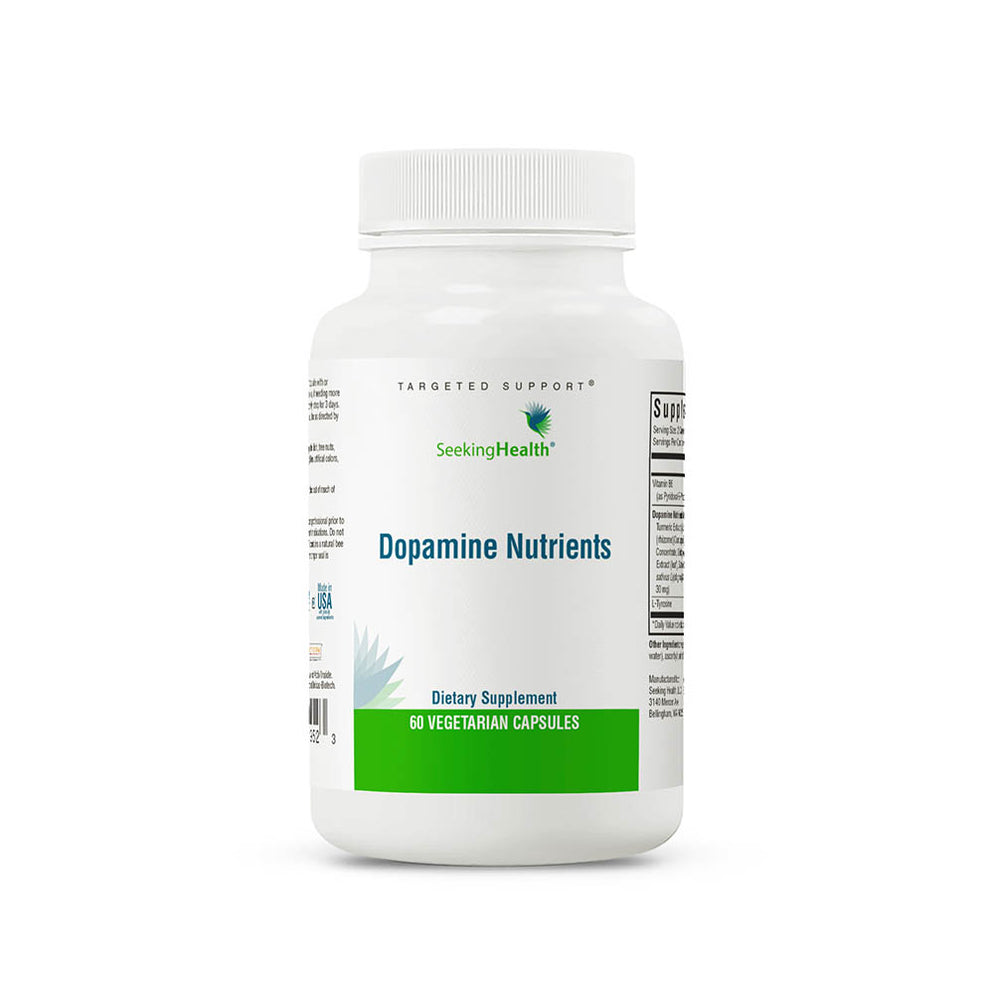
Understanding these mechanisms offers practical applications: enhancing metallothionein expression through zinc supplementation could reduce both UV damage and associated odor production, while developing topical formulations that prevent metal-catalyzed oxidation might minimize volatile formation while maintaining photoprotection.
Future research should prioritize real-time volatile monitoring during UV exposure, examination of genetic variations affecting scent production, and development of interventions targeting specific steps in the volatile-generating cascade. The dual protective-harmful nature of metal-binding proteins suggests therapeutic strategies must carefully balance antioxidant benefits against potential pro-oxidant effects.
This analysis synthesizes peer-reviewed research on metallothionein, metal ion chemistry, and volatile compound formation in UV-exposed skin. All links connect to original research sources and scientific publications examining the role of metal proteins in sun-induced skin chemistry.
Read More
I’ve compiled some info about Metallothionine /metallothionein