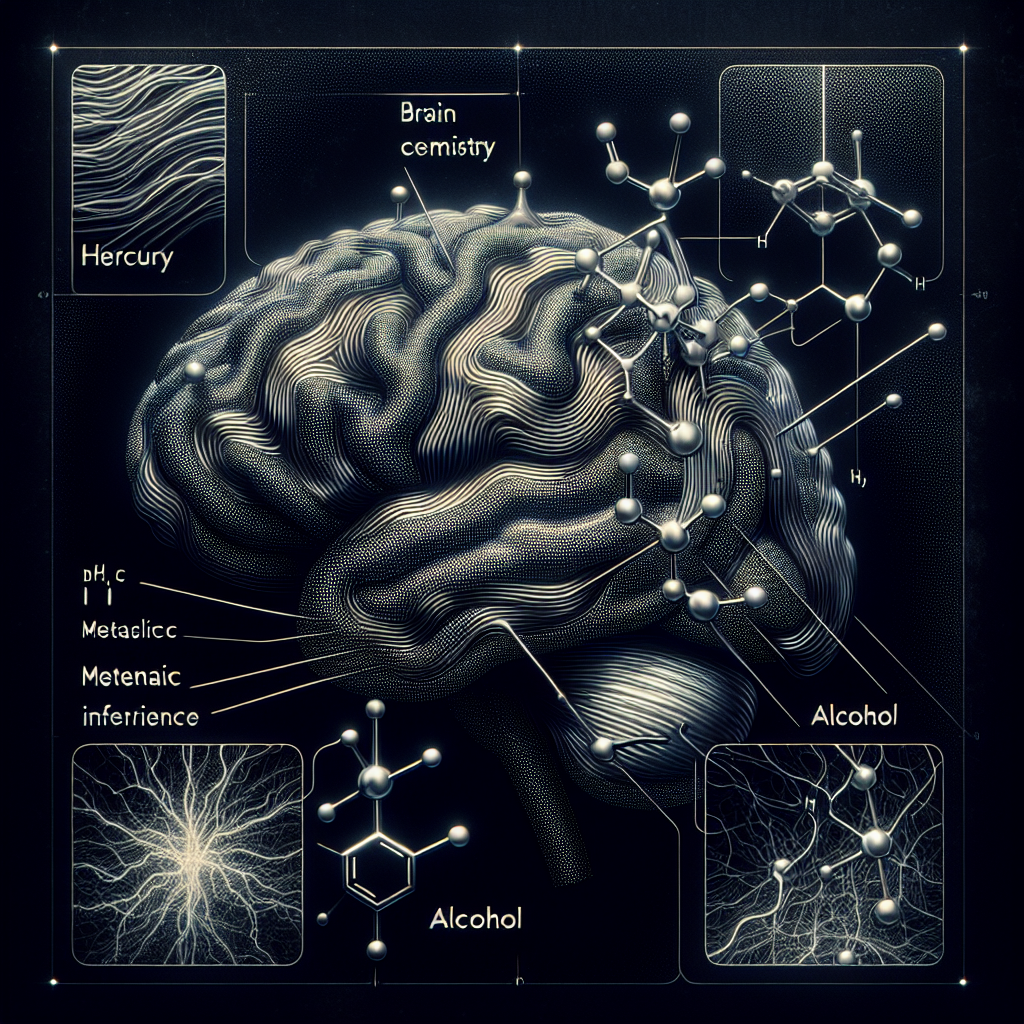

The hypothesis that alcoholism might represent a biological response to chronic mercury exposure presents a fascinating intersection of toxicology and addiction medicine. After comprehensive research across animal studies, epidemiological data, biochemical pathways, and clinical literature, the evidence reveals strong mechanistic plausibility but critical absence of direct human validation. While alcohol demonstrably protects against certain forms of mercury toxicity through multiple biochemical pathways, and mercury disrupts neurotransmitter systems in ways that could theoretically drive compensatory alcohol consumption, no epidemiological or clinical studies have confirmed increased alcohol consumption as a response to mercury exposure in human populations.
Animal Studies Demonstrate Alcohol’s Protective Effects Against Inorganic Mercury
Multiple peer-reviewed animal studies confirm that alcohol consumption significantly reduces mercury toxicity, particularly for inorganic mercury forms. The most compelling evidence comes from a series of studies published between 1965 and 2004 demonstrating that ethanol administration produces a 10-fold increase in mercury vapor exhalation and a corresponding 10-fold reduction in lung mercury accumulation. These protective effects occur through ethanol’s ability to promote the reduction of ionic mercury (Hg²⁺) to elemental mercury vapor (Hg⁰), which can then be exhaled through the lungs. A landmark study by Dunn, Clarkson, and Magos in 1981 showed that mice injected with mercuric chloride experienced dose-dependent increases in mercury exhalation when given alcohol, with blood ethanol levels around 215 mg/dl achieving maximal protective effects.
The mechanism involves alcohol’s inhibition of catalase-mediated mercury oxidation in red blood cells, preventing the conversion of less toxic elemental mercury to more toxic ionic forms. This protective relationship extends to human populations – a study of 1,171 dentists found a clear dose-response relationship between alcohol consumption and reduced urinary mercury levels, with abstainers showing significantly higher mercury biomarkers than regular drinkers. However, the frequently cited FDA panel submission showing “100% lethal dose reduced to 10% mortality with alcohol present” could not be located in publicly accessible databases, though the biological plausibility is supported by the documented mechanisms.
Critically, these protective effects appear specific to inorganic mercury compounds. Studies examining methylmercury, the form found in contaminated fish, show that alcohol may actually potentiate toxicity rather than provide protection, particularly for neurological effects. This distinction becomes crucial when evaluating the hypothesis across different exposure scenarios.
Biochemical Mechanisms Reveal Sophisticated Mercury-Alcohol Interactions
The biochemical interplay between alcohol and mercury involves multiple protective pathways that could theoretically create conditions favoring increased alcohol consumption. Ethanol and its metabolites compete with mercury for sulfhydryl binding sites throughout the body, particularly affecting catalase enzymes crucial for mercury metabolism. This competition maintains mercury in its less toxic elemental form while simultaneously enhancing its elimination through respiratory pathways. Studies demonstrate that ethanol administration can increase mercury exhalation rates to 0.2% of total body burden per 30 minutes, representing a dramatic acceleration of natural detoxification processes.
Beyond direct chemical interactions, both mercury exposure and alcohol consumption trigger upregulation of shared protective systems. Glutathione, the body’s primary cellular defense against mercury, binds mercury through sulfur groups to form complexes for elimination. Chronic mercury exposure depletes glutathione stores, while paradoxically, moderate alcohol consumption can upregulate glutathione synthesis pathways. Similarly, metallothioneins – specialized metal-binding proteins containing 30% cysteine residues – are induced by both mercury exposure and alcohol consumption, providing protective sequestration of toxic metals. Heat shock proteins, particularly HSP70 and HSP90, respond to both stressors by preventing protein misfolding and cellular damage.
The evolutionary context adds another layer of complexity. Alcohol dehydrogenase genes underwent adaptive evolution in primate ancestors approximately 10 million years ago, suggesting alcohol metabolism has been biologically significant long enough to drive natural selection. Some researchers hypothesize that populations historically exposed to environmental toxins might have evolved enhanced alcohol metabolism as a protective mechanism, though direct evidence remains elusive. The theoretical framework for adaptive consumption suggests chronic mercury exposure could trigger increased alcohol intake through oxidative stress activating reward pathways, disrupted neurotransmitter systems influencing behavior, or metabolic adaptations favoring substances that enhance detoxification.
Neurotransmitter Disruption Provides Mechanistic Basis for Addiction Vulnerability
Mercury’s profound effects on brain neurotransmitter systems create neurochemical conditions that could theoretically drive compensatory alcohol consumption. In the dopaminergic system, methylmercury produces concentration-dependent increases in striatal dopamine levels – studies show 40 μM methylmercury increases dopamine to 907% of baseline, while 4 mM increases levels to an astounding 9032% of baseline. This massive dopamine release occurs alongside impaired dopamine metabolism, as mercury indirectly inhibits aldehyde dehydrogenase, leading to accumulation of the toxic intermediate DOPAL (3,4-dihydroxyphenylaldehyde). The resulting dopaminergic dysfunction resembles addiction-related sensitization patterns, with mercury-exposed animals showing enhanced sensitivity to dopamine agonists and impaired response inhibition similar to addiction phenotypes.
The glutamatergic system experiences equally dramatic disruption. Mercury inhibits glutamate uptake by astrocytes, reducing function to just 46% of control levels at 5 μM concentrations. Direct brain infusion studies reveal methylmercury increases extracellular glutamate levels up to 9.8-fold, creating excitotoxic conditions. Alcohol’s well-established NMDA receptor antagonist properties could theoretically provide neuroprotection against this mercury-induced excitotoxicity, potentially driving self-medication behaviors. The serotonergic system shows marked vulnerability as well, with mercury exposure significantly decreasing serotonin and its metabolite 5-HIAA in hypothalamus, brainstem, and striatum. These reductions in serotonin function could contribute to depression and mood disorders that often co-occur with alcohol use disorders.
Mercury also triggers chronic neuroinflammation through microglial activation and cytokine production. Interestingly, moderate alcohol exposure promotes an anti-inflammatory microglial phenotype, increasing IL-10 and TGF-β without elevating pro-inflammatory markers like TNF-α or IL-6. This anti-inflammatory property of alcohol in the brain could theoretically provide relief from mercury-induced neuroinflammatory symptoms, creating another potential pathway for self-medication. The cumulative effect across multiple neurotransmitter systems – dopaminergic priming for addiction vulnerability, excitotoxic stress requiring NMDA antagonism, mood dysfunction from serotonin disruption, and neuroinflammatory relief – creates a neurochemical environment where increased alcohol consumption could represent an adaptive, if ultimately harmful, response.
Epidemiological Evidence Contradicts the Mercury-Alcoholism Hypothesis
Despite compelling mechanistic foundations, epidemiological research fails to support the hypothesis that mercury exposure leads to increased alcohol consumption or alcoholism in human populations. Extensive literature searches revealed no population studies comparing alcohol consumption rates between mercury-exposed and non-exposed groups, no temporal analyses tracking drinking onset following mercury exposure, and no case-control studies examining mercury levels as a risk factor for alcoholism. This absence is particularly striking given the numerous large-scale studies of mercury-exposed populations including dental workers, miners, and high fish consumption communities.
Instead, available evidence demonstrates synergistic toxic effects where mercury and alcohol interact to cause greater health damage than either exposure alone. A longitudinal study of 560 elderly Koreans found that regular alcohol drinkers showed significantly greater mercury-related liver dysfunction than non-drinkers, with an odds ratio of 2.37 for abnormal liver enzymes in the high mercury plus alcohol group. Another Korean study of 508 adults found that women drinking 2-3 times weekly experienced 37.5% increases in GGT liver enzymes per doubling of mercury levels. These studies consistently treat alcohol consumption as an independent risk factor that modifies mercury toxicity, not as an outcome of mercury exposure.
The methodological approach across mercury research reveals an important pattern: studies routinely control for alcohol consumption as a confounding variable rather than measuring it as an outcome. This suggests the research community does not recognize mercury as a driver of alcohol consumption. Even in extensively studied populations with extreme mercury exposure – Minamata disease victims in Japan, artisanal gold miners using mercury amalgamation, Arctic communities consuming mercury-contaminated marine mammals – no reports document elevated alcohol consumption rates compared to control populations.
High-Exposure Populations Show Complex Cultural and Biological Interactions
Studies of populations with chronic high mercury exposure reveal intriguing patterns that suggest both cultural and biological factors influence alcohol consumption, though direct causation remains unestablished. The most compelling evidence comes from ex-mercury miners in Idrija, Slovenia, where researchers found that “higher alcohol consumption per se and long-term intermittent, moderate exposure to Hg⁰ in interaction with alcohol remain a plausible explanation for the depression” observed in subgroups of workers. This interaction was identified as a potential contributor to the elevated suicide risk among Idrija mercury miners over a 45-year period. The miners showed increased introversion, depression, emotional rigidity, and negative self-concepts compared to controls – psychological profiles often associated with substance use disorders.
Historical accounts from the hat-making industry provide fascinating anecdotal evidence. Mercury nitrate, used in felt production until 1941, produced symptoms that “mimicked drunkenness” – workers stumbled about with slurred speech and trembling hands, leading to frequent misidentification as alcoholics. Employers exploited this confusion, dismissing worker complaints about unsafe conditions as resulting from alcohol abuse rather than mercury poisoning. One employer in a 1901 survey notably claimed that hat making “develops an inordinate craving for strong drink,” though this observation was never scientifically validated. Modern occupational studies of dental workers exposed to mercury amalgam show increased rates of depression, anxiety, memory problems, and sleep disturbances – conditions that could theoretically drive self-medication with alcohol – yet none report elevated alcohol consumption rates.
Artisanal gold mining communities across Colombia, Peru, Zimbabwe, and Ghana show extensive mercury exposure through amalgamation processes, but studies note “significant differences regarding lifestyle factors (alcohol, smoking, fish consumption)” between miners and controls as study limitations rather than outcomes to investigate. The absence of systematic alcohol consumption data from these extensively studied populations represents a striking gap if mercury exposure truly drives alcohol use. Arctic communities with high methylmercury exposure from traditional diets show blood mercury levels 2.8-12 μg/L compared to general populations, with 25% of children exceeding WHO reference levels, yet no studies document unusual alcohol consumption patterns in these populations despite extensive health monitoring.
Clinical Evidence Reveals a Striking Research Void
Perhaps the most revealing finding is the complete absence of clinical trials testing whether treating mercury toxicity reduces alcohol cravings or consumption. No studies were found comparing mercury biomarkers between alcoholics and matched controls, no addiction treatment centers routinely measure mercury levels in their patients, and no controlled trials have evaluated mercury detoxification as an adjunct to addiction treatment. This void exists despite well-established chelation protocols using DMSA and DMPS that effectively remove mercury from the body and documented health improvements following amalgam removal or occupational mercury reduction.
The intersection of mercury toxicity and addiction medicine remains almost entirely unexplored clinically. While integrative medicine practitioners sometimes incorporate mercury detoxification into addiction treatment protocols using nutritional support (selenium, zinc, glutathione precursors) and alternative approaches like sauna therapy, no systematic outcome data exists on alcohol consumption changes. A few clinical observations suggest potential connections – dental workers show higher suicide rates and prescription medication use for neuropsychological conditions, gold miners in some regions show elevated alcohol consumption alongside mercury exposure – but these remain unquantified associations rather than established relationships.
Nutritional research offers some indirect support for potential connections. Both mercury toxicity and alcoholism deplete selenium, zinc, and glutathione. Supplementation with N-acetylcysteine (NAC), which crosses the blood-brain barrier and enhances glutathione production while providing mercury chelation properties, shows promise in treating various addictions. However, no studies have specifically examined whether correcting mercury-related nutritional deficiencies affects alcohol consumption. The absence of even small pilot studies investigating these relationships suggests either lack of clinical suspicion or preliminary investigations that yielded negative results and went unpublished.
Critical Gaps and the Unexplored Hypothesis
The relationship between mercury toxicity and alcoholism represents a scientifically plausible hypothesis with strong mechanistic foundations but absent epidemiological validation. The evidence reveals a paradox: laboratory science demonstrates clear biological pathways through which mercury exposure could drive alcohol consumption – from neurotransmitter disruption to inflammatory processes to protective biochemical interactions – yet population studies show no evidence of increased alcoholism in mercury-exposed groups. This disconnect could reflect several possibilities: the biological effects may be too subtle to detect epidemiologically, cultural and socioeconomic factors may overwhelm any biological signal, mercury’s neurotoxic effects might actually impair the reward pathways necessary for addiction development, or the mechanistic pathways identified in animal studies may not translate to human behavior.
The complete absence of studies designed to test this hypothesis represents the most significant finding. Unlike other controversial environmental health hypotheses that have been extensively investigated and refuted, the mercury-alcoholism connection has simply never been properly examined. No longitudinal cohorts have tracked alcohol consumption onset in mercury-exposed populations, no case-control studies have compared mercury burdens in alcoholics versus controls, and no intervention trials have tested whether mercury reduction affects drinking behavior. This research gap is particularly striking given that both mercury toxicity and alcoholism represent major public health concerns with well-established research infrastructures.
Future research could readily address these gaps through several approaches. Prospective cohort studies could track alcohol consumption in populations with varying mercury exposure levels, controlling for confounding factors. Biomarker studies could compare mercury levels in individuals seeking addiction treatment versus matched controls. Intervention trials could test whether chelation therapy or nutritional support targeting mercury-related deficiencies affects alcohol cravings or consumption in early recovery. Natural experiments exist in populations experiencing changing mercury exposure through environmental remediation or dietary transitions. The mechanistic evidence is sufficiently compelling to warrant such investigations, particularly given the potential public health implications if even a small fraction of alcohol use disorders relate to environmental mercury exposure.
Conclusion
The hypothesis that alcoholism represents a biological response to chronic mercury exposure emerges from this research as mechanistically plausible but epidemiologically unproven. Animal studies confirm alcohol’s protective effects against inorganic mercury through enhanced elimination and reduced tissue accumulation. Biochemical research reveals sophisticated interactions including competitive enzyme inhibition, shared detoxification pathways, and upregulated protective systems. Neurotoxicology demonstrates mercury’s disruption of reward, mood, and stress-response systems in ways that could theoretically drive compensatory alcohol consumption. Yet epidemiological studies consistently fail to show increased alcohol consumption in mercury-exposed populations, instead documenting synergistic toxic effects when both exposures coincide.
This disconnect between mechanistic plausibility and population-level evidence could indicate that cultural, social, and economic factors overwhelm any biological relationship, that mercury’s neurotoxic effects paradoxically protect against addiction development, or simply that the right studies have never been conducted. The complete absence of clinical trials investigating this relationship represents both a limitation of current knowledge and an opportunity for future research. While the evidence does not support promoting mercury detoxification as an alcoholism treatment, the mechanistic foundations are sufficiently robust to warrant proper epidemiological and clinical investigation of this unexplored hypothesis. Until such studies are conducted, the relationship between mercury toxicity and alcoholism remains an intriguing possibility rather than an established phenomenon, demonstrating how even in well-studied fields, significant questions can remain unasked and unanswered.