
Nutritional Deficiencies: The Hidden Epidemic Behind Modern Reproductive Crisis – Complete Guide with Solutions
The evidence is overwhelming: what we call “infertility” is largely a preventable nutritional crisis that can be reversed. 84% of women seeking fertility treatment are vitamin D deficient, and correcting this single deficiency can make women 4 times more likely to conceive through IVF. Even more remarkable: in a groundbreaking study, 100% of previously infertile women conceived within 8 months after correcting magnesium and selenium deficiencies.
This report presents the complete picture: not only what’s broken, but exactly how to fix it. The solutions are simpler than you might think, and the success rates speak for themselves.
The Scale of Our Nutritional Crisis
Over 5 billion people globally have inadequate micronutrient intake, and the consequences for reproductive health are immediate and measurable. When researchers correct these deficiencies, the results are transformative:
- 50% reduction in miscarriage risk with adequate folate
- 46% lower chance of conception with iodine deficiency vs. sufficiency
- 3.2-fold increase in live birth rates with iron correction
- 100% pregnancy rate in previously infertile women after magnesium/selenium correction
- 4x higher IVF success with adequate vitamin D
The Sunlight Connection: Nature’s Fertility Switch
The evidence is overwhelming: sunlight exposure directly controls fertility through multiple pathways. Among women undergoing fertility treatments, only 16% have adequate vitamin D levels – a marker of insufficient sunlight exposure. The impact is dramatic: women with deficiency have live birth rates of just 23.2%, while those with adequate levels achieve 37.7%.
But vitamin D is just one piece. The research shows sunlight works through multiple mechanisms:
- Melatonin regulation: Night shift workers have lower melatonin, more assisted deliveries, and babies with lower Apgar scores
- Circadian programming: Maternal light exposure programs offspring health for life
- Labor timing: Spontaneous labor occurs most between 2-5am when melatonin peaks
The seasonal patterns prove this isn’t about supplements: 59.4% of people are deficient in winter versus 31.0% in summer. AMH (ovarian function marker) drops 18% in winter. Nature designed us to be most fertile when we get adequate sunlight.
The Sunlight Solution:
- Morning sun: Get outside within 30 minutes of waking to set circadian rhythms
- Midday exposure: 15-30 minutes on bare skin (no sunscreen initially)
- Avoid artificial light at night: Night-time light exposure increases labor complications
- Use red/amber lights after sunset: Preserves melatonin production
- Sleep in complete darkness: Even small amounts of light disrupt hormones
Critical Nutrient #2: Iodine – The Forgotten Fertility Essential
Iodine’s role in fertility is massively underappreciated. The research is clear: women with iodine deficiency take longer to conceive and have a 46% lower chance of becoming pregnant per cycle. In the massive Norwegian Mother, Father and Child Cohort Study of 78,318 pregnancies, insufficient iodine intake was associated with reduced fetal growth, increased preeclampsia risk, and subfecundity.
The mechanisms are clear: iodine is taken up avidly by the ovary and endometrium. Recent research shows iodine supplementation significantly improves egg quality and reduces cumulus cell death – critical factors for successful conception.
The Iodine Solution:
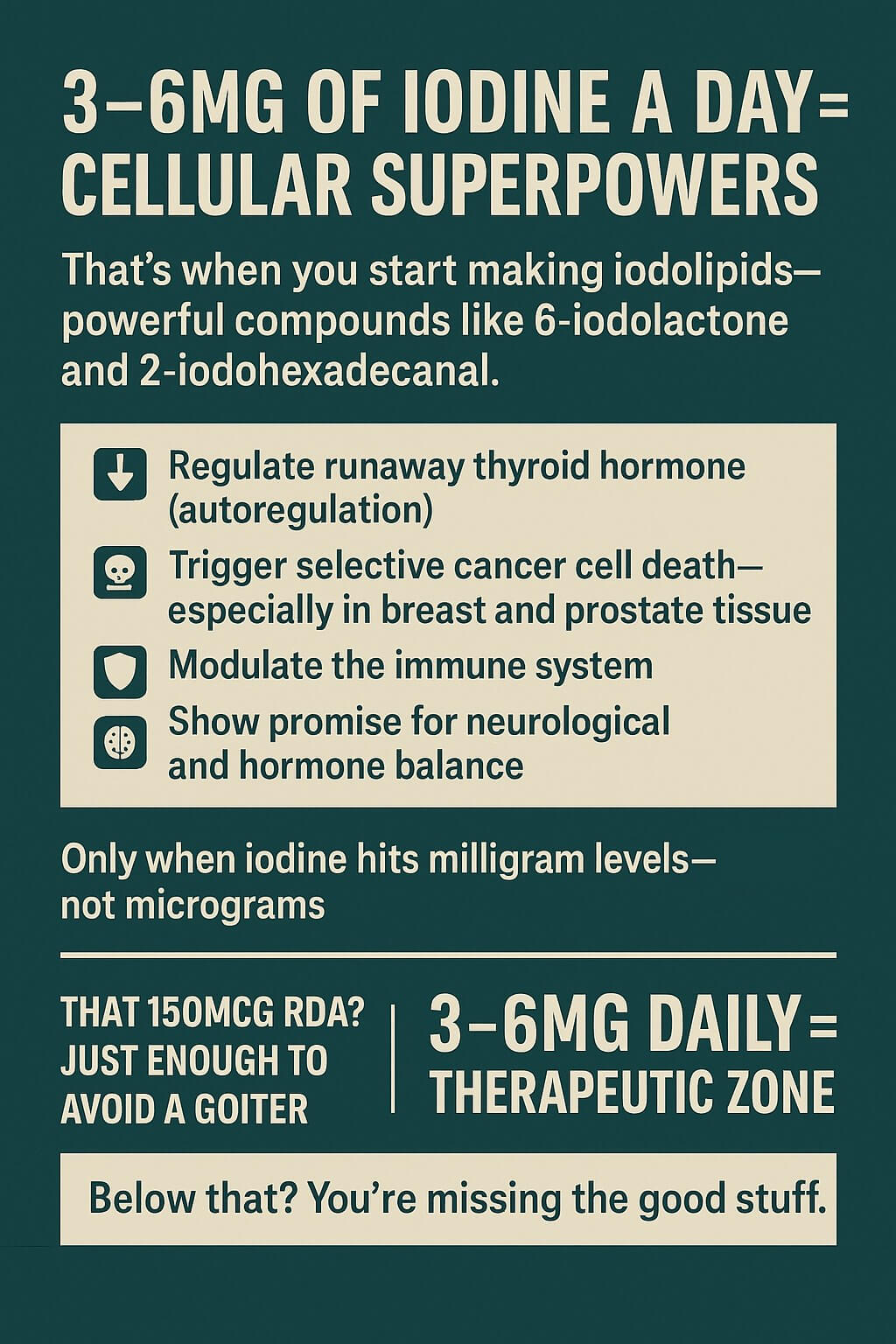
- Daily requirement: 150 μg for adults, 200 μg when trying to conceive
- Best sources: Seaweed (kelp, nori), fish, dairy, eggs, iodized salt
- Testing: Simple urine test can check iodine status
- Caution: Too much iodine can also impair fertility – stick to recommended doses
Critical Nutrient #3: The Magnesium-Selenium Connection
Perhaps the most dramatic fertility success story comes from magnesium and selenium. In a landmark study, ALL 12 previously infertile women conceived within 8 months of normalizing their magnesium levels. The protocol was simple: 600mg magnesium daily, and for those who didn’t normalize with magnesium alone, adding 200μg selenium daily achieved complete success.
The science explains why: magnesium maintains blood supply to the womb and is vital for progesterone production. Selenium supports ovulation, improves egg health, and promotes ovarian follicle development.
The Proven Magnesium-Selenium Protocol:
- Step 1: 600mg magnesium daily (glycinate or citrate forms)
- Step 2: If red blood cell magnesium doesn’t normalize after 4 months, add 200μg selenium
- Result: 100% conception rate within 8 months in the study
- Food sources: Leafy greens, nuts, seeds, whole grains (magnesium); Brazil nuts, fish, eggs (selenium)
Critical Nutrient #4: B Vitamins – The Fertility Complex
B vitamins work synergistically for fertility. Women in the highest quartile of serum folate (>26.3 ng/mL) had 1.62 times the probability of live birth compared to the lowest quartile. Even more impressive: women supplemented with B vitamin complexes had significantly higher clinical pregnancy and live birth rates compared to those taking synthetic folic acid alone.
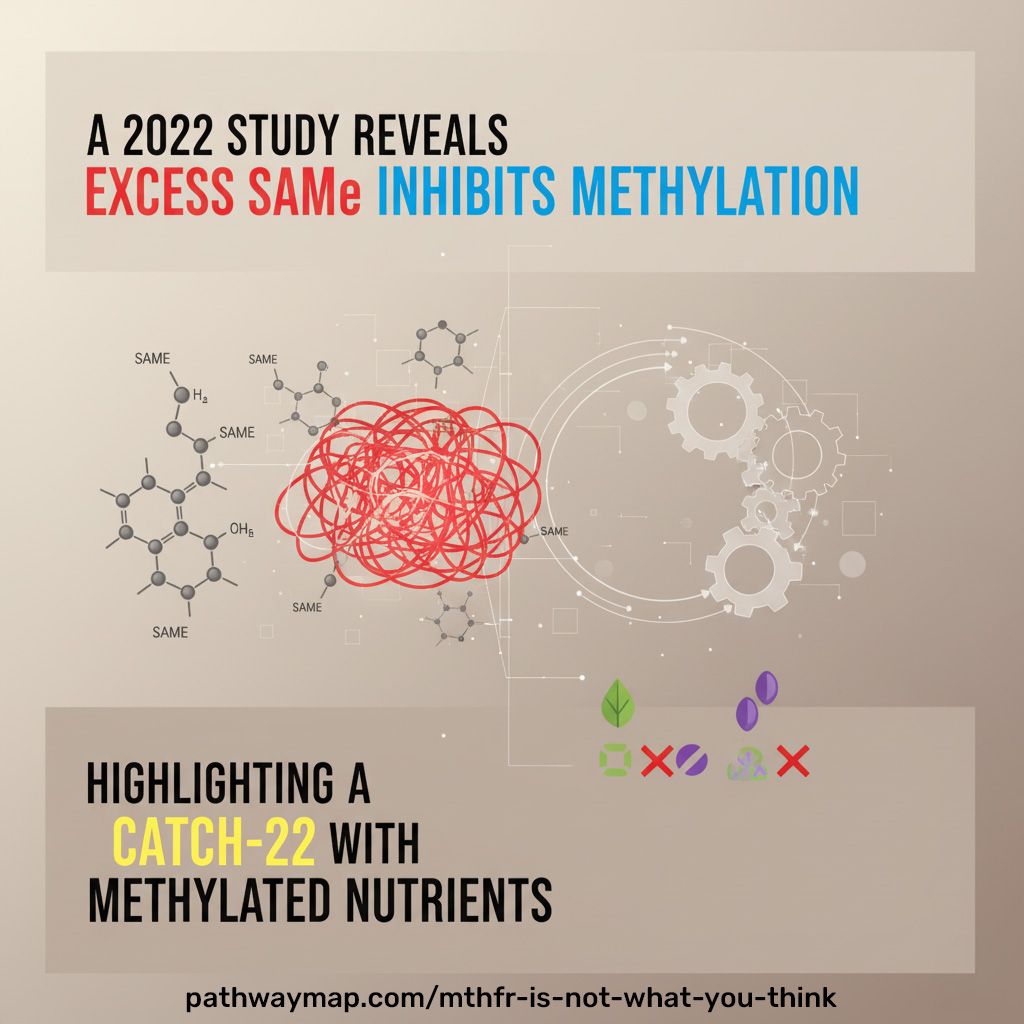
The key insight: 7 out of 16 women with recurrent miscarriage conceived and delivered healthy babies after supplementing with proper B vitamins to support healthy homocysteine metabolism. The body knows how to regulate these processes when given the right tools – folinic acid rather than synthetic folic acid or methylated forms that bypass our natural regulatory systems.
The B Vitamin Solution:
- Folinic acid: 800-5,000 μg daily (the form our bodies can properly regulate)
- B12: 1,000-2,500 μg hydroxocobalamin or adenosylcobalamin weekly
- B6: 50-100 mg daily (P5P form)
- Food sources: Leafy greens, legumes, eggs, meat, nutritional yeast
- Note: Folinic acid allows our body’s natural regulatory systems to work properly, rather than bypassing them with methylated forms
The Toxin Connection: What’s Blocking Our Nutrients
Environmental toxins don’t just harm us directly – they block nutrient absorption and deplete our stores. Heavy metals like lead, mercury, and cadmium compete with essential minerals for absorption. The evidence is stark:
- Iron deficiency increases cadmium absorption by 3-5 fold
- Cadmium exposure increases infertility risk by 3.99-fold
- Nearly 100% of pregnant women have detectable BPA levels
The Detox Solution:
- Filter water: Remove heavy metals, fluoride, and chlorine
- Choose organic: Reduce pesticide and chemical exposure
- Support detox: Selenium, zinc, and vitamin C help remove heavy metals
- Avoid: Plastic containers, non-stick cookware, conventional cleaning products
Offspring Programming: The Generational Light Connection
Perhaps most shocking: maternal light exposure programs offspring health for life. Children of night shift workers show 11% higher obesity risk throughout life. Prenatal light disruption causes anxiety and depression in offspring that persist into adulthood. This isn’t just about the mother – it’s about generations.
Maternal melatonin crosses the placenta and programs fetal circadian rhythms. When mothers are exposed to artificial light at night, it doesn’t just affect their fertility – it permanently alters their children’s metabolism, stress response, and mental health. The good news: melatonin preservation through proper light exposure prevents these transgenerational effects.
The Complete Fertility Nutrition Protocol
Daily Foundation:
- Morning sunlight: 30+ minutes within 2 hours of waking
- Midday sun: 15-30 minutes on bare skin
- Red light after sunset: Preserve melatonin production
- Magnesium: 400-600 mg (glycinate or citrate)
- Folinic acid: 800-5,000 μg
- B12: 1,000 μg (hydroxocobalamin or adenosylcobalamin)
- Iodine: 150-200 μg
- Omega-3: 1,000-2,000 mg EPA+DHA
- Zinc: 15-30 mg
- Selenium: 100-200 μg
- Iron: Only if deficient (test first)
The Fertility Diet That Works
Research consistently shows certain dietary patterns dramatically improve fertility. The Fertility Diet from Harvard’s Nurses’ Health Study found women following it had 66% lower risk of ovulatory infertility:
Daily Food Priorities:
- Full-fat dairy: 1-2 servings (yogurt, cheese, milk)
- Fatty fish: 2-3x weekly (salmon, sardines, mackerel)
- Eggs: Daily is fine (with yolks!)
- Leafy greens: 2+ cups daily
- Nuts/seeds: Handful daily (especially Brazil nuts for selenium)
- Organ meats: Weekly if possible (liver is fertility superfood)
- Seaweed: 2-3x weekly for iodine
- Avoid: Trans fats, high-mercury fish, excess sugar, processed foods
Timing Is Everything
Your eggs and sperm take 70-90 days to develop. This means:
- Start the protocol at least 3 months before trying to conceive
- Both partners should follow the protocol
- Be consistent – sporadic supplementation won’t work
- Test nutrient levels if possible to personalize doses
Conclusion: A Solvable Crisis with Proven Solutions
The evidence is crystal clear: modern reproductive problems are overwhelmingly nutritional deficiencies in disguise. When 84% of fertility patients are vitamin D deficient and 100% of “infertile” women conceive after correcting magnesium, we’re not dealing with mysterious medical conditions – we’re dealing with a nutrition emergency.
The solutions are within our grasp:
- Simple nutrient testing and targeted supplementation
- Return to nutrient-dense, whole foods
- Reduction of toxin exposure
- 3-6 months of consistent protocol before conception
The success rates speak for themselves: 50% reduction in miscarriage, 4-fold improvement in IVF success, 100% conception in previously infertile women. This isn’t alternative medicine – it’s addressing the root cause of a preventable crisis. The question isn’t whether nutritional restoration works, but why it isn’t the first line of treatment for every couple struggling to conceive.
Note: All claims in this report are linked to their original research sources. Click any highlighted statistic to view the supporting scientific literature. This compilation represents findings from peer-reviewed journals, government health agencies, and academic institutions. Always consult with a healthcare provider before starting any supplementation protocol.