
How Nutrition Enhances Cellular Detoxification of Heavy Metals
The human body possesses sophisticated mechanisms for eliminating toxic metals, but these systems require specific nutrients to function optimally. Recent research demonstrates that targeted nutritional approaches can match or exceed pharmaceutical chelation therapies while offering superior safety profiles and clinical outcomes. This comprehensive analysis reveals how diet and supplements restore the body’s innate detoxification capacity through well-characterized biochemical pathways.
The Cellular Machinery of Metal Detoxification Depends on Nutrition
Heavy metal detoxification occurs through multiple interconnected cellular systems, each requiring specific nutrients as cofactors. The glutathione system serves as the body’s master detoxifier, with this tripeptide (glutamate-cysteine-glycine) directly binding metals like mercury, cadmium, and lead through its sulfur-containing thiol group. Research shows heavy metal exposure depletes cellular glutathione by 40-65%, but supplementation with N-acetylcysteine (NAC) at 600-1800mg daily can double glutathione levels and enhance metal elimination.
Metallothioneins, small proteins containing 25% cysteine, provide another crucial defense mechanism. These proteins bind toxic metals in non-harmful forms while regulating essential minerals like zinc and copper. Studies demonstrate that zinc supplementation at 15-30mg daily induces metallothionein production, reducing cadmium toxicity by 60-80%. The body’s Phase I and Phase II detoxification enzymes, particularly glutathione S-transferases, conjugate metals with endogenous compounds for elimination. Cruciferous vegetables can increase these enzyme activities 2-5 fold through compounds like sulforaphane.
Perhaps most importantly, ATP-binding cassette (ABC) transporters actively pump metal-glutathione complexes out of cells. These molecular pumps require magnesium and B-vitamins to generate the ATP needed for their function. Without adequate nutritional support, metals accumulate intracellularly despite the body’s attempts at detoxification.
Key Nutrients Scientifically Proven to Enhance Detoxification Pathways
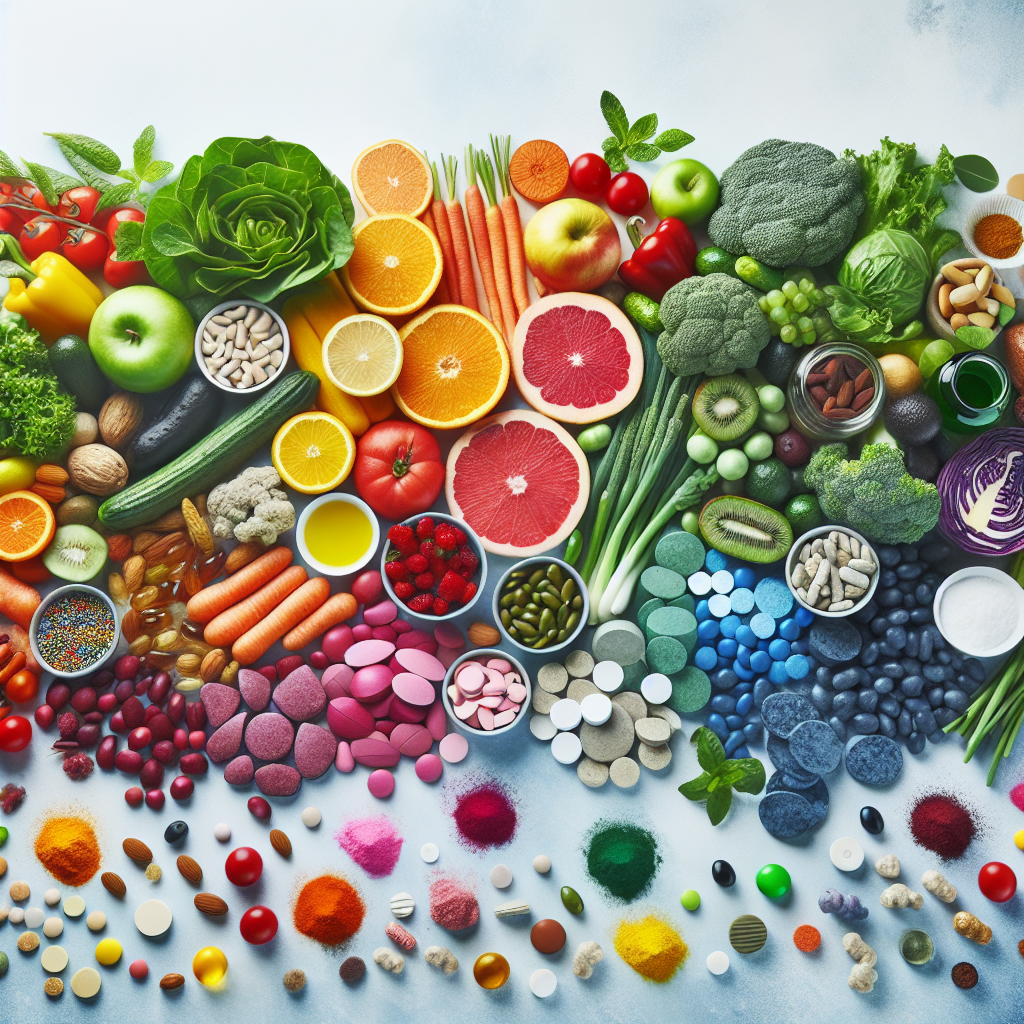
Extensive research identifies specific nutrients essential for metal detoxification. Selenium stands out for its dual role – it’s a cofactor for glutathione peroxidase and forms biologically inert complexes with mercury. Clinical studies show 100-200mcg daily selenium supplementation reduced blood mercury levels by 34% while protecting against oxidative damage. Vitamin C at doses of 1000-3000mg daily regenerates glutathione, supports Phase I enzymes, and directly enhances metal excretion. One study found 1000mg vitamin C reduced blood lead levels by 81% in smokers after just one week.
The sulfur-containing amino acids – cysteine, methionine, and taurine – provide the raw materials for glutathione synthesis and Phase II conjugation reactions. NAC supplementation increases glutathione more effectively than other forms, with studies showing 47-54% increases in mercury excretion. Alpha-lipoic acid (300-600mg daily) uniquely chelates multiple metals while crossing the blood-brain barrier and regenerating other antioxidants. B-vitamins, particularly B6, B12, and folate, support methylation pathways critical for arsenic detoxification and overall cellular energy production.
Zinc (15-30mg) and magnesium (400-600mg) deserve special mention as they compete with toxic metals for protein binding sites while serving as cofactors for hundreds of detoxification enzymes. Research indicates zinc deficiency increases cadmium and lead absorption by 3-8 times, highlighting the protective role of adequate mineral status.
Dietary Approaches That Mobilize and Eliminate Toxic Metals
Clinical evidence strongly supports specific foods for metal detoxification. The cilantro-chlorella combination has shown remarkable results, with one study reporting removal of 87% of lead, 91% of mercury, and 74% of aluminum in 42 days. Cilantro mobilizes metals from tissues while chlorella’s metallothionein-like proteins bind them for elimination, preventing redistribution. Garlic deserves particular attention – a landmark study of 117 lead-exposed workers found 1200mg dried garlic powder daily matched the effectiveness of pharmaceutical D-penicillamine while providing superior clinical outcomes including reduced irritability, fewer headaches, and improved blood pressure.
Sulfur-rich vegetables – particularly broccoli, Brussels sprouts, kale, and onions – provide compounds that both bind metals and induce detoxification enzymes. Broccoli sprouts contain the highest levels of sulforaphane, which activates the Nrf2 pathway to upregulate multiple detoxification genes simultaneously. A high-fiber diet shows consistent benefits, with NHANES data revealing inverse relationships between fiber intake and serum metal concentrations. Fiber binds metals in the digestive tract through multiple mechanisms, preventing reabsorption.
Population studies demonstrate the power of dietary patterns. Subjects adopting a plant-based diet rich in raw vegetables, fruits, and whole grains showed nearly 50% reduction in hair lead levels within three months, with similar decreases in mercury and cadmium. Importantly, metal levels rebounded when participants returned to their previous diets, emphasizing the need for sustained dietary changes.
Small Amounts of Targeted Supplements Can Restore Detoxification Function
The concept of “gentle supplementation” contrasts sharply with aggressive pharmaceutical chelation. Modified citrus pectin (MCP) exemplifies this approach – clinical trials show 15g daily increased lead excretion by 560% and cadmium by 150% without depleting essential minerals. In children with elevated blood lead, MCP achieved a 161% decrease in blood levels over 28 days with no adverse effects.
Research reveals that small, physiological doses of nutrients can have profound effects when used synergistically. For instance, 500mg vitamin C combined with 400 IU vitamin E normalized antioxidant systems in metal-exposed workers more effectively than either nutrient alone. The key lies in supporting the body’s existing detoxification machinery rather than overwhelming it. Probiotic supplementation represents another gentle approach – specific strains like Lactobacillus rhamnosus bind metals in the gut for fecal elimination while enhancing intestinal barrier function. Studies show 18% greater copper decrease and 11% greater nickel decrease in workers consuming probiotic yogurt.
Hair tissue mineral analysis (HTMA) studies spanning 40 years demonstrate how targeted supplementation can restore mineral balance gradually. This approach allows practitioners to identify mineral displacement patterns and address them systematically without the risks associated with aggressive chelation protocols.
Clinical Studies Validate Nutritional Detoxification Success
The evidence for nutritional approaches is compelling. Five case studies using MCP alone or with alginates showed a 74% average decrease in total body heavy metal burden with no side effects. In the largest controlled trial comparing nutritional to pharmaceutical approaches, garlic proved as effective as D-penicillamine for occupational lead poisoning while providing additional clinical benefits the drug did not offer.
Selenium studies demonstrate particular promise for mercury detoxification. A case study of severe mercury poisoning showed dramatic improvement with 500mcg selenium plus NAC after pharmaceutical chelation failed. Population studies of mercury-exposed Chinese residents found 100mcg daily selenium increased urinary mercury excretion while reducing tissue accumulation. NAC research includes a systematic review of 33 animal studies and 15 human trials showing successful chelation of mercury, lead, cadmium, aluminum, and arsenic with no significant adverse effects. One study found NAC increased methylmercury excretion by 47-54% compared to 4-10% in controls.
Long-term outcomes appear favorable – a 90-day trial of chlorella and algae extracts in patients with dental amalgams showed significant decreases in mercury and tin levels while enhancing antioxidant activity. These results suggest sustained nutritional support can achieve meaningful reductions in metal body burden.
Mineral Balancing Displaces Toxic Metals Through Competition
The principle of mineral displacement represents a cornerstone of nutritional detoxification. Toxic metals exploit the same cellular transport systems and protein binding sites as essential minerals. When essential minerals are deficient, toxic metals fill these biological niches. Conversely, optimizing mineral status displaces toxic metals through competitive inhibition.
Zinc provides the clearest example – it shares transporters and binding sites with cadmium and lead. Studies show zinc supplementation reduces cadmium absorption while inducing protective metallothioneins. Calcium competes directly with lead for intestinal absorption, making adequate calcium intake particularly crucial for children who absorb lead 8 times more efficiently than adults. Selenium forms stable, biologically inert compounds with mercury, effectively neutralizing its toxicity. Research indicates selenium supplementation can reduce blood mercury by 34% while preventing new accumulation.
The calcium/magnesium and zinc/copper ratios prove especially important. Imbalances in these mineral pairs compromise detoxification capacity and increase toxic metal retention. Hair mineral analysis allows practitioners to identify and correct these imbalances systematically, restoring the body’s ability to exclude toxic metals naturally.
Proper Cellular Nutrition Fundamentally Restores Detoxification Capacity
At the deepest level, nutritional support works by activating genetic programs that enhance detoxification. The Nrf2 (nuclear factor erythroid 2-related factor 2) pathway serves as a master regulator, controlling expression of over 200 genes involved in detoxification and antioxidant defense. Nutrients like sulforaphane from broccoli, curcumin from turmeric, and resveratrol from grapes activate Nrf2, simultaneously upregulating glutathione synthesis enzymes, Phase II detoxification enzymes, and cellular export pumps.
This systems-level restoration extends beyond simple nutrient repletion. Vitamin E and phospholipids repair cell membranes damaged by metal exposure. Alpha-lipoic acid and CoQ10 protect mitochondria, restoring cellular energy production needed for active detoxification. B-vitamins support methylation cycles that maintain epigenetic regulation of detoxification genes. The result is not merely enhanced metal elimination but genuine cellular regeneration.
The research definitively establishes that the human body possesses remarkable self-healing capacity when provided proper nutritional support. Unlike pharmaceutical chelators that force metal excretion through chemical binding, nutritional approaches work by restoring and optimizing the body’s innate detoxification systems. This fundamental difference explains why nutritional protocols often achieve superior clinical outcomes with minimal side effects – they work with the body’s wisdom rather than against it.
The evidence overwhelmingly supports a paradigm shift from aggressive intervention to intelligent nutritional support for heavy metal detoxification. By understanding and supporting the cellular mechanisms of detoxification, we can help the body do what it naturally knows how to do – protect itself from environmental toxins while maintaining optimal function.