Metabolic Recovery: The Protocol
Recovery isn't about willpower. It's about fixing the broken metabolic systems that make cravings feel inevitable.
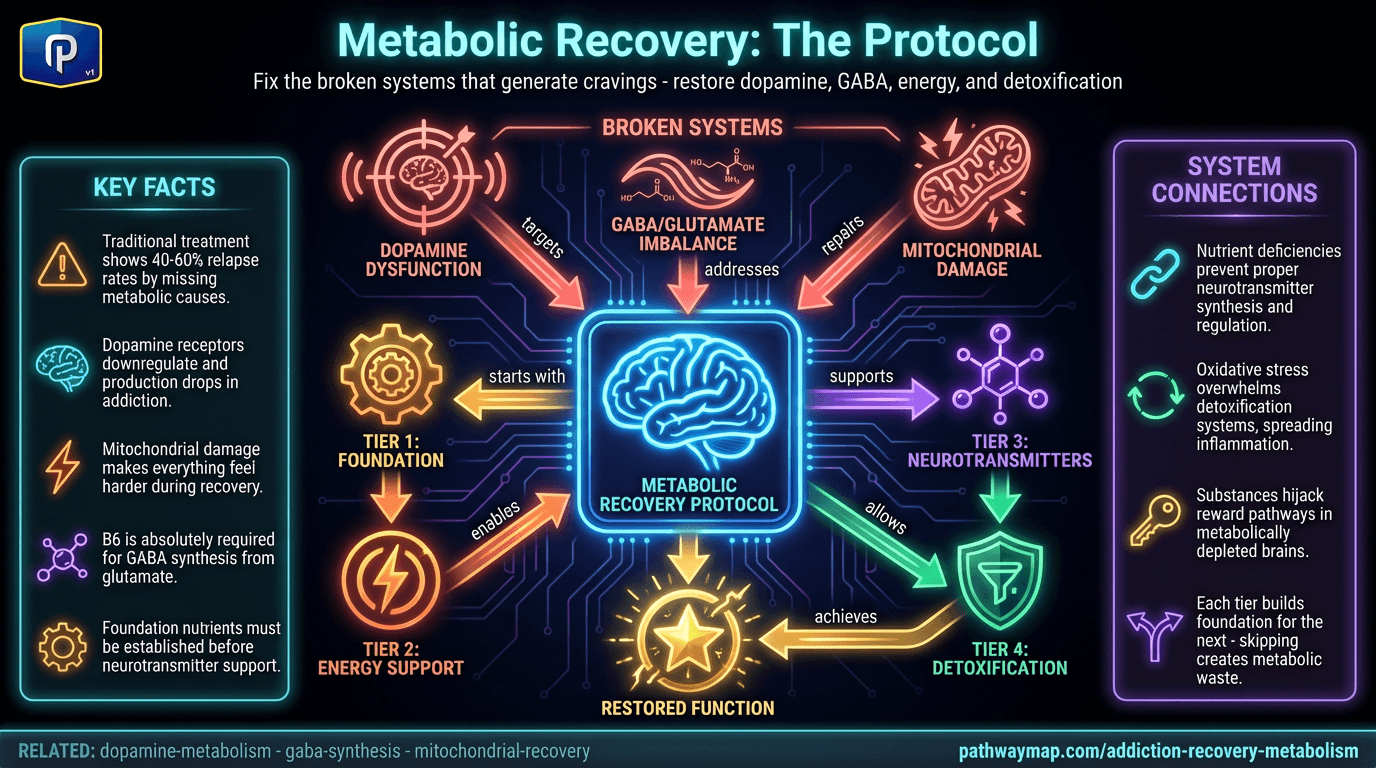
When conventional addiction treatment shows 40-60% relapse rates, that's not a failure of character. That's a failure to address the underlying biochemistry. Your brain is running on depleted neurotransmitter systems, damaged mitochondria, disrupted glutathione production, and often significant toxic burden.
You can't think your way out of that. You have to restore the systems.
Why Traditional Treatment Misses the Point
Most addiction treatment focuses on psychology, behavior, and social support. Those matter. But they're trying to run software on hardware that's fundamentally broken.
Here's what actually happens in addiction:
- Dopamine system dysfunction - Receptors downregulate, production drops, natural rewards stop working
- GABA/glutamate imbalance - Anxiety increases, excitotoxicity damages neurons
- Mitochondrial damage - Energy production crashes, everything feels harder
- Oxidative stress - Detoxification systems overwhelm, inflammation spreads
- Nutrient depletion - The very systems needed for recovery can't function
Substances don't cause addiction by being "bad." They hijack reward pathways in brains that lack the metabolic resources to maintain proper regulation. The relationship between nutrient deficiencies and addiction is extensively documented.
Fix the metabolic capacity, and recovery becomes fundamentally different.
How to Use This Protocol
This isn't a "pick what sounds good" approach. The tiers exist for a reason.
Tier 1 establishes foundation nutrients. Without these, nothing else works properly. Your body can't make neurotransmitters, can't produce energy, can't detoxify effectively.
Tier 2 adds glutathione and energy support. You need antioxidant capacity and mitochondrial function before pushing neurotransmitter precursors.
Tier 3 targets specific neurotransmitter systems once you have the foundation to support them.
Tier 4 addresses detoxification and advanced interventions—but only after acute phases and only with proper support in place.
Don't skip tiers. Taking tyrosine for dopamine when you lack the B6 to convert it properly just creates more metabolic waste. Taking NAC when you're severely magnesium deficient can mobilize toxins you can't properly clear.
Build the foundation first. Always.
Tier 1: Foundation Nutrients
Everyone starts here. Period. These aren't optional supplements—they're the basic nutrients required for neurotransmitter synthesis, receptor function, and cellular energy production.
Vitamin B6 (P5P): 50-100mg Daily
B6 is absolutely required for GABA synthesis. The enzyme that converts glutamate to GABA (GAD - glutamic acid decarboxylase) doesn't work without it.
But here's the problem: regular B6 (pyridoxine) needs to be converted to the active P5P form. Up to 30% of people can't do this efficiently. Alcohol, in particular, depletes B6 and impairs this conversion.
Use P5P directly. 50-100mg daily.
This is non-negotiable. Without adequate B6, you can't make GABA. Without GABA, anxiety stays elevated, sleep suffers, and the glutamate/GABA balance that addiction already disrupted stays broken.
Magnesium: 400-600mg Daily
Magnesium blocks NMDA receptors—the primary glutamate receptors in your brain. It physically prevents excitotoxic damage from excess glutamate.
Almost half of Americans are magnesium deficient. In addiction, it's worse. Alcohol causes massive magnesium loss. Stimulants deplete it. Stress depletes it further.
Use glycinate, threonate, or malate forms. 400-600mg daily.
Magnesium also activates over 300 enzymes, supports GABA receptors, improves sleep, and reduces anxiety. It's one of the most critical recovery nutrients.
Zinc: 15-30mg Daily (with Copper 1-2mg)
Zinc modulates both dopamine and GABA systems. It's required for dopamine synthesis, helps activate the GAD enzyme for GABA production, and regulates glutamate receptor sensitivity.
Alcohol particularly depletes zinc. So does chronic stress. So do most addictive substances through various mechanisms.
15-30mg daily with 1-2mg copper to prevent imbalance.
Don't take high-dose zinc long-term without copper. They compete for absorption, and zinc can induce copper deficiency.
B-Complex (Methylated Forms)
B vitamins work together. You need:
- B1 (Thiamine) - Especially critical for alcohol recovery, 100-300mg
- B2 (Riboflavin) - Mitochondrial energy production, 50-100mg
- B3 (Niacin/Niacinamide) - NAD+ production for energy, 100-500mg
- B9 (Methylfolate) - Methylation, neurotransmitter synthesis, 400-800mcg
- B12 (Methylcobalamin) - Nerve function, energy, 1000-5000mcg
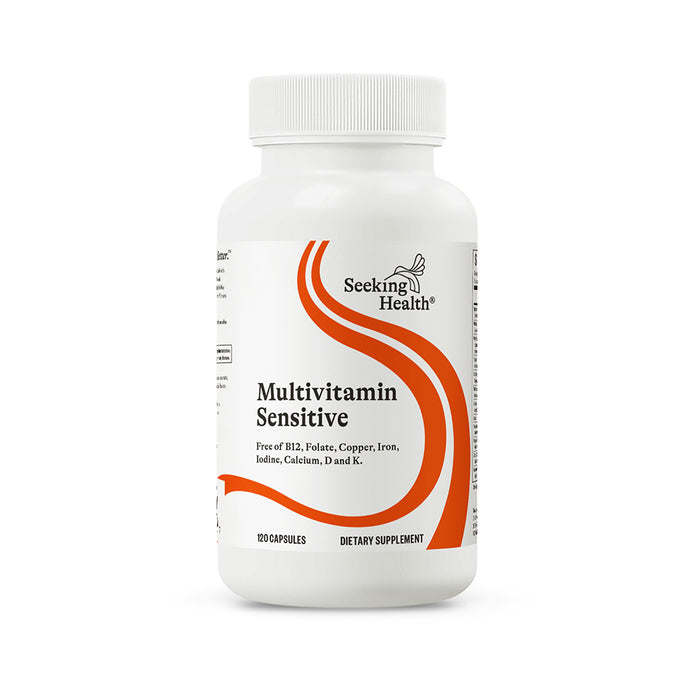
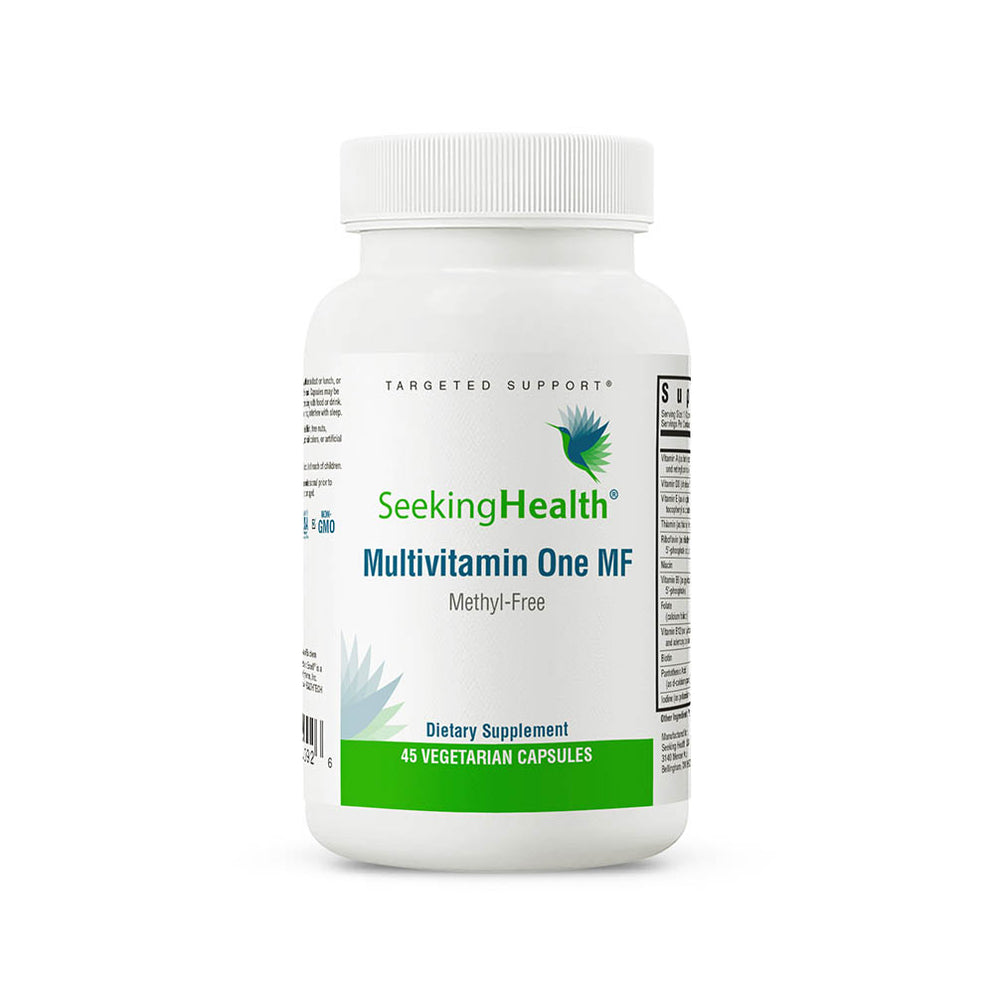
Get a quality B-complex with methylated forms (methylfolate, methylcobalamin). Many people have MTHFR variants that impair folate metabolism. Methylated forms bypass that issue.
Vitamin D: Optimize to 50-70 ng/mL
Vitamin D deficiency is associated with increased addiction risk and worse outcomes. It modulates dopamine synthesis, supports immune function, reduces inflammation, and affects neurotransmitter systems.
Most people need 4000-10,000 IU daily to reach optimal levels. Test and adjust.
Take with K2 (100-200mcg) for proper calcium metabolism.
What to Expect in the Foundation Phase
First few days: You might not notice much. Your body is starting to rebuild depleted systems.
First few weeks: Sleep often improves first. Anxiety may start decreasing. Energy fluctuates as mitochondria begin recovering.
Ongoing: This is the foundation you'll maintain indefinitely. These aren't temporary recovery supplements—they're nutrients your body requires to function properly.
Stay on Tier 1 for at least 2-4 weeks before adding Tier 2. Let the foundation stabilize.
Tier 2: Glutathione & Energy Support
Once foundation nutrients are in place, you can support glutathione production and mitochondrial function. These systems are what allow your body to handle oxidative stress and produce the energy needed for everything else.
NAC (N-Acetylcysteine): 1200-1800mg Daily
NAC is one of the most well-studied supplements for addiction recovery. It provides cysteine for glutathione synthesis and has direct effects on reducing cravings.
Glutathione is your master antioxidant. It detoxifies substances, protects cells from oxidative damage, and supports neurotransmitter regulation. Addiction depletes it massively.
1200-1800mg daily in divided doses (600mg 2-3x daily).
NAC also modulates glutamate in the nucleus accumbens—the brain's reward center. This directly reduces cravings for many substances.
Glycine: 3-5g Daily
Most people focus on NAC for glutathione but ignore glycine. Glycine is often the limiting factor in glutathione synthesis, not cysteine.
Glycine also has direct calming effects through glycinergic neurotransmission, improves sleep quality, and supports detoxification.
3-5g daily. Mix in water or smoothies.
Tastes slightly sweet. Very well tolerated.
Selenium: 200mcg Daily
Selenium is required for glutathione peroxidase—the enzyme that uses glutathione to neutralize peroxides. Without adequate selenium, glutathione can't do its job.
200mcg daily. Don't exceed 400mcg long-term.
Selenium is also critical for thyroid function and immune support.
CoQ10: 100-300mg Daily
CoQ10 is essential for mitochondrial ATP production. Your cells need ATP for everything—neurotransmitter synthesis, detoxification, receptor function, cellular repair.
Addiction damages mitochondria. Energy production crashes. Everything feels harder because it literally requires more energy than your cells can produce.
100-300mg daily. Ubiquinol form is better absorbed.
Take with fat for absorption.
Alpha-Lipoic Acid: 300-600mg Daily
Alpha-lipoic acid is both an antioxidant and energy metabolism cofactor. It regenerates other antioxidants (vitamins C and E, glutathione), supports mitochondrial function, and helps regulate blood sugar.
300-600mg daily in divided doses.
Time-release forms may work better for maintaining levels.
PQQ (Pyrroloquinoline Quinone): 10-20mg Daily
PQQ promotes mitochondrial biogenesis—the creation of new mitochondria. You're not just supporting existing mitochondria; you're stimulating production of new ones.
10-20mg daily.
Works synergistically with CoQ10.
When to Add Tier 2
After 2-4 weeks on Tier 1 foundation nutrients, add Tier 2 supplements gradually. Don't dump everything in at once.
Start with NAC and glycine. Add the others over the following weeks.
If you experience "detox" symptoms (headache, fatigue, irritability), you're likely mobilizing toxins faster than you can clear them. Reduce doses and ensure Tier 1 is fully optimized first.
Tier 3: Neurotransmitter Targeting
With foundation nutrients and antioxidant/energy support in place, you can directly support specific neurotransmitter systems. This is where targeted amino acids come in.
L-Tyrosine: 500-2000mg (Morning)
Tyrosine is the precursor to dopamine. Your brain converts tyrosine → L-DOPA → dopamine → norepinephrine → epinephrine.
Addiction downregulates dopamine receptors and depletes dopamine production. Natural rewards stop working. Everything feels flat.
500-2000mg in the morning on an empty stomach.
Start with 500mg and increase gradually. Too much can cause anxiety or jitteriness. Take with vitamin C and B6 for conversion.
Don't take late in the day—it can interfere with sleep.
Taurine: 1000-3000mg Daily
Taurine modulates GABA receptors and has calming effects. It also protects against excitotoxicity, supports mitochondria, and helps regulate stress response.
1000-3000mg daily.
Very safe. Well-tolerated even at high doses. Can be taken anytime but many find it helpful in the evening.
L-Theanine: 200-400mg Daily
L-theanine increases GABA and reduces excessive glutamate activity. It crosses the blood-brain barrier and produces calming effects without sedation.
200-400mg daily.
Can be taken morning or evening. Often combined with caffeine for improved focus without jitters, but in recovery, you might skip the caffeine.
5-HTP or L-Tryptophan (Evening)
Serotonin support can help with mood, sleep, and reducing anxiety. Both 5-HTP and L-tryptophan convert to serotonin, but they work differently.
5-HTP: 50-200mg in the evening Crosses the blood-brain barrier more easily. More direct effect.
L-Tryptophan: 500-2000mg in the evening More gentle. Less likely to cause issues with long-term use.
Pick one, not both. Take on an empty stomach before bed.
Caution: Don't combine with SSRIs or other serotonergic medications without medical supervision.
DLPA (D,L-Phenylalanine): 500-1500mg (Morning)
DLPA supports endorphin production, which is particularly relevant for opioid addiction recovery. The D-form inhibits the enzyme that breaks down endorphins, while the L-form converts to tyrosine and then dopamine.
500-1500mg in the morning.
Especially useful for opioid recovery or anyone with low endorphin function (low pain tolerance, low pleasure response).
Timing Matters
Morning/Early Day:
- Tyrosine
- DLPA
- B-complex
Anytime:
- Taurine
- L-theanine
- Magnesium
Evening:
- 5-HTP or Tryptophan
- Glycine
- Extra magnesium
Don't take competing amino acids together (tyrosine and 5-HTP compete for transport). Space them out.
Signs You Need Tier 3
- Foundation in place for 4+ weeks
- Energy improving but mood still flat
- Sleep issues despite magnesium/glycine
- Persistent cravings despite Tier 1 & 2
- Anxiety or overstimulation persisting
Don't rush to Tier 3. The foundation does more than you think. But when you're ready, targeted amino acids can make a significant difference.
Tier 4: Detoxification & Advanced Support
This tier is for deeper, longer-term work. Not for acute withdrawal. Not for early recovery. This is for when you have stable foundation support and need to address underlying toxic burden or gut dysfunction.
Mercury and Heavy Metal Testing
Heavy metal toxicity significantly increases addiction vulnerability. Mercury, in particular, damages dopamine neurons and disrupts neurotransmitter systems.
Many people in recovery have significant mercury burden from dental amalgams, fish consumption, or environmental exposure.
Testing options:
- Blood tests (shows acute exposure)
- Urine tests (shows recent exposure and excretion capacity)
- Hair analysis (shows longer-term exposure patterns)
- Provoked urine testing (after chelator to assess body burden)
Work with a practitioner familiar with metal toxicity. This isn't DIY territory.
Safe Chelation Protocols
If testing shows significant burden, chelation may be appropriate. Only with proper support. Never during acute withdrawal.
DMSA (Dimercaptosuccinic Acid): Primarily removes lead and mercury. Oral form available.
DMPS (Dimercapto-1-propanesulfonic Acid): Removes mercury and arsenic. Prescription only.
Alpha-lipoic acid: Crosses blood-brain barrier, mobilizes mercury from brain tissue. Requires careful dosing.
The Cutler protocol (frequent low-dose chelation on precise schedules) is popular in knowledgeable communities. Requires significant research and commitment.
Critical: Ensure glutathione support, mineral repletion, and liver/kidney function are optimized before chelating. Otherwise you just redistribute toxins instead of eliminating them.
Gut Microbiome Optimization
The gut-brain axis profoundly affects addiction and recovery. Dysbiosis affects neurotransmitter production, inflammation, nutrient absorption, and even cravings.
Many people in recovery have significant gut dysfunction from years of poor nutrition, substance use, and stress.
L-Glutamine: 5-15g Daily Repairs gut lining. Reduces intestinal permeability (leaky gut). Also fuel for immune cells.
Multi-Strain Probiotics Look for Lactobacillus and Bifidobacterium strains. Rotate products every few months.
Prebiotics Feed beneficial bacteria. Include inulin, FOS, resistant starch. Or just eat diverse fiber sources.
Consider Testing:
- GI-MAP comprehensive stool test
- SIBO breath testing if appropriate
- Food sensitivity testing
Omega-3 Fatty Acids: 2-4g EPA+DHA Daily
Omega-3s reduce neuroinflammation and support neurotransmitter receptor function. They're structural components of cell membranes, including neurons.
2-4g combined EPA+DHA daily.
Choose high-quality fish oil or algae-based sources. Check for third-party testing for heavy metals.
Curcumin: 500-2000mg Daily
Curcumin reduces neuroinflammation and supports neuroplasticity. It also supports detoxification pathways and may help restore dopamine function.
500-2000mg daily with black pepper extract (piperine) for absorption.
Or use enhanced absorption forms like Longvida or BCM-95.
When Detox Is Appropriate
Not in acute withdrawal. Not in early recovery. Only after:
- Foundation nutrients optimized for months
- Energy production restored
- Glutathione system supported
- Stable recovery established
- Working with knowledgeable practitioner
Pushing detoxification too early can worsen symptoms and derail recovery. Build the foundation first.
Substance-Specific Considerations
While the core protocol applies across addictions, certain substances create specific deficiencies or damage particular systems.
Alcohol
Critical additions:
- Thiamine (B1): 300mg+ daily - Alcohol severely depletes thiamine. Deficiency causes Wernicke-Korsakoff syndrome and neurological damage. This is non-negotiable for alcohol recovery.
- Magnesium - Alcohol causes massive magnesium loss. Even more critical than baseline.
- Mercury connection - Alcohol increases mercury redistribution in the body. Consider testing.
- Liver support - Milk thistle, NAC, alpha-lipoic acid for hepatic recovery
Stimulants (Cocaine, Amphetamines, Methamphetamine)
Critical additions:
- Tyrosine - Dopamine system is severely depleted
- Magnesium - Stimulants deplete magnesium and cause excitotoxicity
- GABA support - P5P, taurine, theanine for the overstimulated nervous system
- Antioxidants - NAC, vitamin C, alpha-lipoic acid for oxidative damage
- Sleep support - Often severely disrupted; glycine, magnesium, melatonin as needed
Opioids
Critical additions:
- DLPA - Support endorphin production
- Energy support - CoQ10, PQQ, B-vitamins for the profound fatigue in recovery
- Gut health - Opioids severely disrupt gut function
- Magnesium - Helps with restless legs and muscle pain common in withdrawal
Cannabis
Critical additions:
- Omega-3s - Support endocannabinoid system restoration
- Exercise - Particularly important for endocannabinoid regulation
- Sleep support - Often disrupted when stopping cannabis
- Dopamine support - Tyrosine for the anhedonia that can follow cessation
Non-Negotiable Lifestyle Factors
No amount of supplements fixes a lifestyle that's actively breaking your metabolism. These aren't optional.
Sleep: 7-9 Hours
Sleep deprivation increases glutamate and reduces GABA. It impairs dopamine receptor function, increases cravings, disrupts blood sugar regulation, and reduces cognitive control.
You cannot recover without adequate sleep. Period.
What helps:
- Consistent sleep schedule
- Dark, cool room
- No screens 1-2 hours before bed
- Glycine 3-5g before bed
- Magnesium threonate in evening
- Melatonin 0.3-3mg if needed (lower doses often work better)
Stress Management
Cortisol increases glutamate release and impairs GABA function. Chronic stress depletes nutrients faster than you can replace them. It drives cravings and undermines every recovery system.
What helps:
- Meditation or mindfulness practice
- Breathwork
- Time in nature
- Social connection
- Therapy or support groups
- Adaptogenic herbs (ashwagandha, rhodiola) if appropriate
This isn't luxury self-care. This is metabolic necessity.
Exercise: Moderate Only
Exercise supports recovery through multiple mechanisms—improves mitochondrial function, increases BDNF (brain-derived neurotrophic factor), regulates neurotransmitters, reduces inflammation.
But excessive exercise is a stressor that depletes resources and increases oxidative stress.
Optimal approach:
- 30-45 minutes moderate activity most days
- Walking, cycling, swimming, yoga
- Resistance training 2-3x/week
- Not excessive endurance training or overtraining
More isn't better in early recovery. Moderate and consistent wins.
Sunlight
Morning sunlight exposure regulates circadian rhythm (critical for sleep and hormone function), supports vitamin D production, and affects mood through multiple mechanisms.
Get outside in the first hour after waking. 10-30 minutes minimum.
This matters more than most people realize.
Connection
Isolation worsens every aspect of metabolic dysfunction. Social connection affects stress hormones, inflammation, neurotransmitter function, and even gene expression.
The opposite of addiction isn't sobriety. It's connection.
Support groups, therapy, friends, family, community. However it looks for you, prioritize it.
What to Expect
Recovery isn't linear. But as metabolic systems restore, certain patterns typically emerge.
Cravings Reduce
Not immediately. Not all at once. But as neurotransmitter systems regain function, as energy production improves, as nutrient deficiencies resolve—cravings shift from overwhelming compulsion to manageable urges to occasional thoughts.
This can take months. The brain didn't break overnight; it doesn't fix overnight.
Energy Increases
Mitochondrial support shows effects within weeks to months. You'll notice you can do more without crashing. Mental energy improves. Physical fatigue reduces.
This is one of the earlier changes with proper support.
Mood Stabilizes
As GABA/glutamate balance restores, as dopamine and serotonin systems regain function, mood becomes more stable. Less anxiety. Less depression. Less emotional volatility.
Takes longer than energy—often several months of consistent support.
Natural Rewards Start Working Again
This is the critical one. Your brain's reward system begins responding to normal life again. Food tastes good. Music feels meaningful. Social connection brings pleasure. Accomplishment feels rewarding.
This is what sustainable recovery looks like. Not white-knuckling through cravings forever, but genuinely not needing substances because life itself becomes rewarding again.
Timeline varies tremendously based on individual metabolic capacity, severity of addiction, toxic burden, genetic factors, and consistency with the protocol.
Metabolic Individuality
Some people respond quickly. Others take longer. Some need higher doses. Others need less. Some have genetic variants that require specific support. Others have toxic burdens that need addressing first.
This protocol provides the framework. Adjust based on your individual response and testing.
Troubleshooting
"I Feel Worse"
Often a detox reaction. You're mobilizing toxins or metabolic waste faster than your body can clear them.
Solutions:
- Reduce doses
- Go back to Tier 1 only
- Increase water intake
- Support elimination (fiber, sweating, proper bowel movements)
- Add binders (activated charcoal, chlorella) between doses
- Consider coffee enemas for liver support (controversial but effective for some)
If you feel worse when adding supplements, you're either taking the wrong things, taking them in the wrong order, or have underlying issues (gut dysfunction, heavy metals, infections) that need addressing first.
"Nothing's Working"
Check Tier 1 compliance first. Are you actually taking foundation nutrients consistently? For long enough?
If yes, consider:
- Absorption issues - Gut dysfunction preventing nutrient uptake
- Severe deficiencies - Need testing and potentially higher doses
- Heavy metal burden - Actively blocking systems despite nutrient support
- Chronic infections - Depleting resources continuously
- Genetic variants - Requiring specific forms or higher doses
- Medication interactions - Some medications block nutrient utilization
Testing becomes important here. NutrEval, SpectraCell, organic acids testing, heavy metal testing, comprehensive stool testing.
"Cravings Still Strong"
If you've been consistent with Tier 1 and 2 for several months and cravings remain overwhelming:
- Heavy metals - Test and address if present
- Gut dysfunction - Leaky gut, dysbiosis, SIBO affecting neurotransmitter production
- Chronic inflammation - From hidden sources (food sensitivities, infections, environmental toxins)
- Unaddressed trauma - Requires therapeutic work, not just metabolic support
- Medication-assisted treatment - Sometimes necessary bridge while metabolic systems restore
Metabolic support is powerful but not magic. Some people need additional interventions.
"Can't Afford All This"
Prioritize ruthlessly:
Tier 1 minimum:
- P5P 50mg
- Magnesium glycinate 400mg
- Zinc 15mg with copper
- Basic B-complex
- Vitamin D
This is $30-50/month. Less than most addictions cost.
Add Tier 2 gradually as finances allow. NAC and glycine are inexpensive and high-impact.
Tier 3 amino acids can wait until foundation is solid.
Tier 4 is longer-term optimization.
Also: Lifestyle factors are free. Sleep, sunlight, stress management, moderate exercise, connection—these cost nothing and matter tremendously.
Testing Options
Testing helps optimize the protocol and identify specific issues.
Nutrient Testing
SpectraCell Micronutrient Test: Measures intracellular nutrient levels. Shows functional deficiencies.
Genova NutrEval: Comprehensive nutritional evaluation including organic acids, amino acids, fatty acids, oxidative stress markers.
Basic labs: Vitamin D, B12, folate, magnesium RBC (not serum), zinc, iron panel, homocysteine, methylmalonic acid.
These guide dosing and identify deficiencies supplements aren't addressing.
Heavy Metal Testing
Doctor's Data: Urine and hair testing for heavy metals.
Quicksilver Scientific: Blood and urine testing with mercury speciation.
Provoked testing: Urine collection after chelating agent to assess body burden (controversial but informative).
If you have dental amalgams, significant fish consumption history, or symptoms suggesting toxicity (brain fog, tremors, metallic taste, peripheral neuropathy), testing is worthwhile.
Gut Testing
GI-MAP: Comprehensive stool test including pathogens, commensals, opportunists, parasites, markers of inflammation and immune function.
SIBO breath testing: If symptoms suggest small intestinal bacterial overgrowth.
Food sensitivity testing: IgG panels (controversial but some find helpful) or elimination diets.
Gut dysfunction is extremely common in addiction and significantly affects recovery.
Neurotransmitter Testing
Available but limited utility. Urine neurotransmitter testing doesn't reliably reflect brain levels. Some practitioners use it; others dismiss it entirely.
Symptoms and response to interventions often more informative than testing here.
My Approach
I maintain foundation nutrients daily without exception. This isn't "until I feel better." This is how I support my metabolism indefinitely.
Daily non-negotiables:
- P5P 50mg
- Magnesium glycinate 600mg (split doses)
- Zinc 30mg with copper 2mg
- Methylated B-complex
- Vitamin D 5000 IU + K2
Glutathione support:
- NAC 1800mg (600mg 3x daily)
- Glycine 5g before bed
- Selenium 200mcg
Energy and antioxidants:
- CoQ10 200mg (ubiquinol)
- PQQ 20mg
- Alpha-lipoic acid 600mg
Neurotransmitter support as needed:
- Tyrosine 1000mg (mornings when needed)
- Taurine 2000mg
- L-theanine 200mg
- Glycine doubles as calming support
Gut health:
- Rotate probiotics monthly
- L-glutamine 10g daily
- Diverse fiber intake
Lifestyle:
- 7-8 hours sleep (non-negotiable)
- Morning sunlight exposure
- Moderate exercise 5x/week
- Stress management practices daily
- Regular social connection
What made the biggest difference:
Foundation nutrients. Not the fancy stuff. The basics—P5P, magnesium, zinc, B-vitamins. Those created the metabolic capacity for everything else to work.
NAC for cravings. Remarkably effective. The research undersells it.
Energy support. CoQ10 and PQQ made enormous difference in fatigue and mental clarity.
Sleep. When I miss sleep, everything degrades. When I protect it, everything improves.
How cravings changed:
Early: Overwhelming, constant, exhausting.
Months in: Present but manageable.
Now: Rare. Brief when they occur. More like memories than compulsions.
The result:
Natural rewards work. Life is engaging. Food tastes good. Accomplishment feels satisfying. Connection brings genuine pleasure. I'm not abstaining through willpower—I'm living in a way that doesn't require substances because my brain's reward system functions properly.
That's what metabolic recovery actually means. Not managing symptoms forever. Restoring function so symptoms resolve.
Fix the system. The cravings fix themselves.