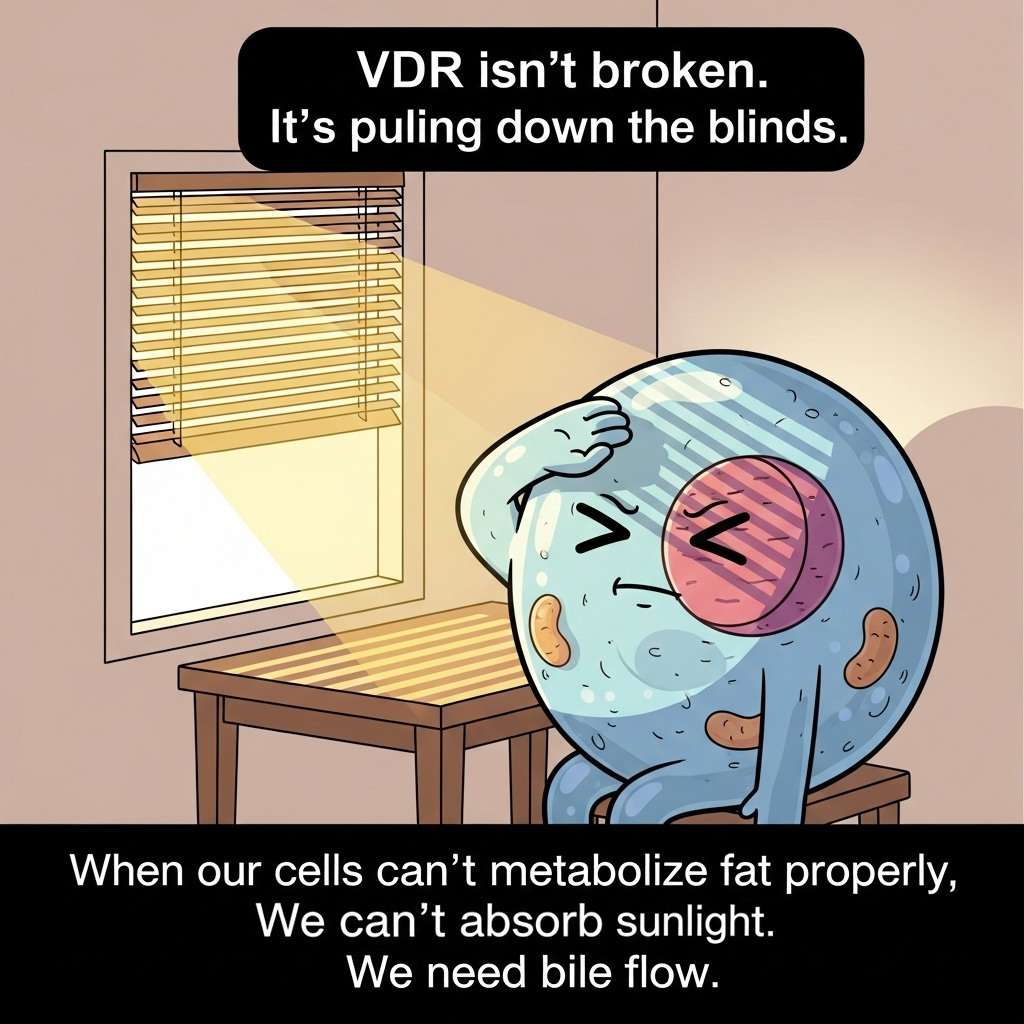

The emerging hypothesis that Vitamin D Receptor (VDR) mutations represent protective cellular adaptations rather than genetic defects fundamentally challenges our understanding of vitamin D metabolism. This comprehensive research reveals that when cells cannot properly metabolize vitamin D due to nutrient deficiencies or cellular stress, VDR downregulation may actually protect cells from harm, suggesting these “mutations” evolved as survival mechanisms in challenging metabolic environments.
The Adaptive Hypothesis Gains Scientific Support
Recent research provides compelling evidence that VDR polymorphisms and downregulation represent adaptive cellular responses rather than primary genetic defects. Trevor Marshall’s groundbreaking work demonstrates that VDR dysfunction may be an adaptive response to chronic bacterial infection, with molecular modeling showing that 25-hydroxyvitamin D can act as a competitive VDR antagonist with binding affinity nearly identical to active vitamin D (8.36 vs 8.48 nanomolar Kd). Amy Proal’s microbiome research documents how intracellular pathogens actively manipulate VDR expression for survival, with Epstein-Barr virus downregulating VDR activity up to 20-fold, while Mycobacterium tuberculosis alters expression of 463 human genes through VDR manipulation.
Population genetics reveals fascinating patterns supporting this adaptive hypothesis. South African studies show Africans have significantly higher VDR protein levels but paradoxically lower vitamin D-dependent gene activation compared to Europeans, suggesting evolutionary adaptation to different environments. The FokI polymorphism CC genotype appears in 68% of Africans versus 37% of Europeans, yet many African populations maintain excellent bone health despite theoretically “less functional” VDR variants. High-altitude populations in Tibet, the Andes, and Ethiopia have evolved enhanced metabolic pathways supporting VDR function despite environmental challenges, with 169 genes showing positive natural selection. These findings suggest VDR variations represent population-specific adaptations rather than universal defects.
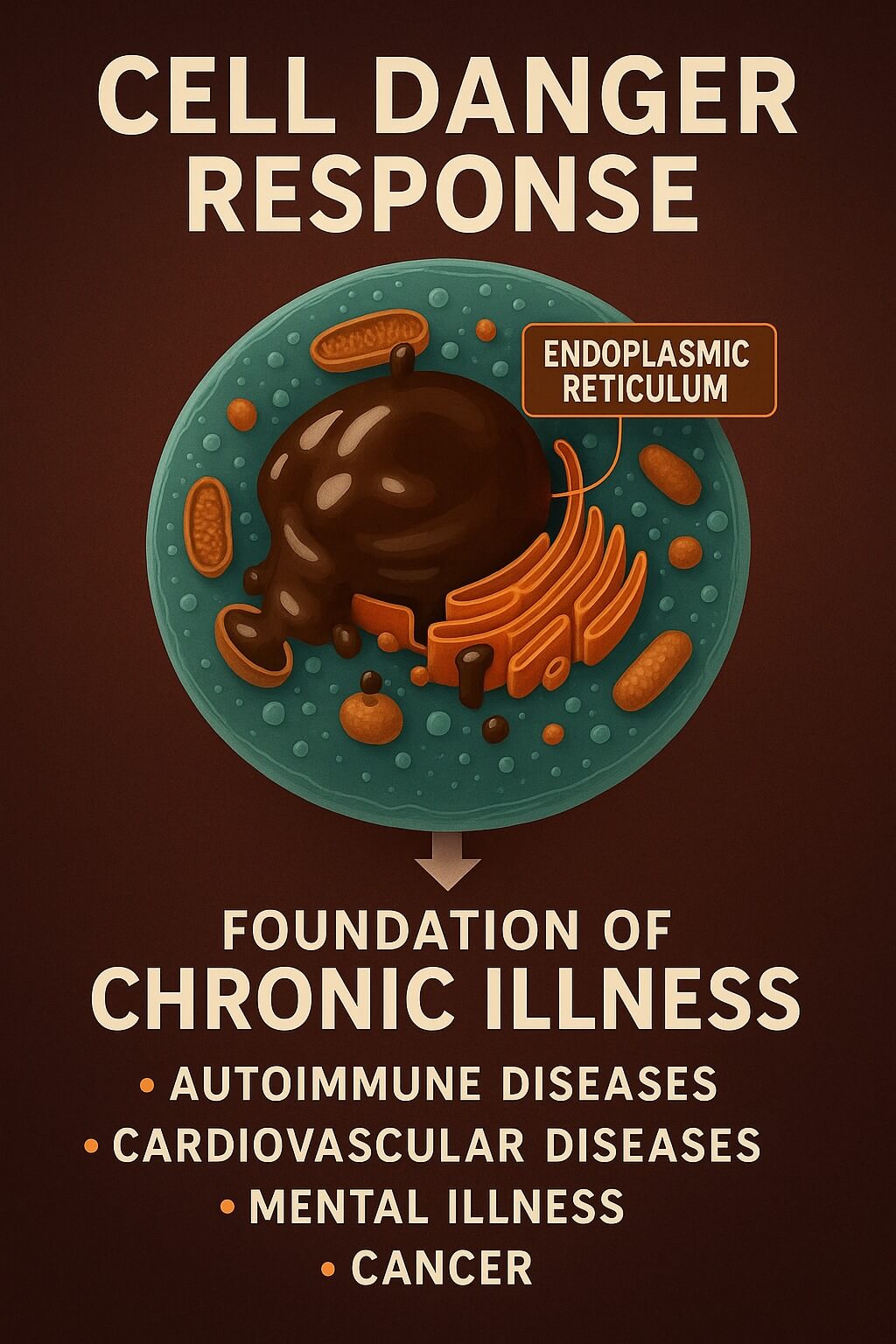
The Cell Danger Response (CDR) framework, developed by Robert Naviaux, provides mechanistic support for adaptive VDR regulation. When cells detect threats exceeding homeostatic capacity, they enter a protective hypometabolic state controlled by mitochondria. VDR downregulation appears to be part of this evolutionarily conserved response, conserving cellular energy and preventing additional metabolic stress when cells cannot properly handle vitamin D activation.
Nutrient Deficiencies Make Normal VDR Function Harmful
Research reveals that multiple nutrient deficiencies can make VDR activation detrimental rather than beneficial. Magnesium deficiency emerges as perhaps the most critical factor – all enzymes metabolizing vitamin D require magnesium as a cofactor, and up to 79% of US adults consume inadequate amounts. Without sufficient magnesium, vitamin D cannot be properly activated, leading to resistance that high-dose supplementation cannot overcome. Studies show vitamin D supplementation can actually induce severe magnesium depletion through increased utilization, creating a vicious cycle where the body downregulates VDR to prevent further harm.
Vitamin K2 deficiency creates another dangerous scenario where VDR activation becomes harmful. Vitamin D increases calcium absorption, but without K2 to activate osteocalcin and matrix GLA protein, this calcium deposits in soft tissues rather than bones. This creates the “calcium paradox” – simultaneous osteoporosis and arterial calcification. Dr. Kate Rheaume-Bleue’s research suggests that what we call “vitamin D toxicity” is actually induced K2 deficiency, as vitamin D increases expression of K-dependent proteins that cannot function without adequate K2. Western diets typically provide insufficient K2 to activate even 30% of these proteins, making high-dose vitamin D potentially dangerous.
The vitamin A-vitamin D balance proves equally critical. Both receptors compete for the same RXR heterodimerization partner, and Chris Masterjohn’s research demonstrates that vitamin A protects against vitamin D toxicity by decreasing expression of vitamin K-dependent proteins. The optimal ratio appears to be approximately 3:1 (A:D), yet modern supplementation often ignores this balance. Morley Robbins emphasizes that low vitamin D often indicates underlying magnesium deficiency and iron accumulation, arguing that D3 supplementation without addressing copper-iron balance worsens oxidative stress.
Cellular Stress Conditions Necessitate VDR Downregulation
Extensive research reveals why cells under stress might downregulate VDR as a protective mechanism. VDR silencing leads to increased respiratory activity, elevated reactive oxygen species production, and mitochondrial integrity loss – effects that already-stressed cells cannot tolerate. Studies show VDR knockdown reduces ATP production from oxidative phosphorylation by 20-48%, suggesting that when cellular energy is compromised, maintaining VDR function becomes metabolically unsustainable.
The energy requirements for vitamin D metabolism are substantial. The mitochondrial P450 enzymes CYP27B1 and CYP24A1 require significant ATP and NADPH through ferredoxin-dependent electron transport systems. Vitamin D metabolism ranks among the most energy-expensive biochemical processes in cells. When mitochondrial function is compromised, as in chronic fatigue syndrome or fibromyalgia (showing 22% reduced coupling efficiency and 40-50% CoQ10 reduction), cells may downregulate VDR to conserve energy for essential survival pathways.
Chronic inflammation creates another scenario necessitating VDR downregulation. TNF-α significantly suppresses VDR expression through NF-κB activation and promotes VDR gene hypermethylation. Studies in autoimmune conditions show inverse correlation between disease activity and VDR expression. The inflammatory cascade creates a self-perpetuating cycle where inflammation downregulates VDR, reducing vitamin D’s anti-inflammatory effects, leading to more inflammation. Cells may downregulate VDR to prevent additional calcium influx that stressed mitochondria cannot handle, as vitamin D-induced hypercalcemia can compromise mitochondrial membrane potential and integrity.
VDR Changes Occur as Adaptive Responses in Disease
Research documents VDR downregulation as an adaptive response across multiple chronic conditions. In chronic infections, pathogens have evolved sophisticated mechanisms to manipulate host VDR expression for immune evasion. Beyond EBV and tuberculosis, organisms including HIV, Aspergillus fumigatus (through gliotoxin secretion), and Chlamydia trachomatis all downregulate VDR to prevent antimicrobial peptide production. This pathogen-mediated downregulation represents an evolutionary arms race where successful pathogens disable the very receptor that would trigger their destruction.
In autoimmune conditions, VDR polymorphisms may modulate immune responses to prevent excessive inflammation. The BsmI polymorphism acts as a protective factor against metabolic syndrome (OR = 0.72), while specific VDR variants show protective effects in Behçet’s disease in African populations and reduced severity in Fabry disease. These patterns suggest certain VDR variations evolved to balance immune activation with tissue protection.
Metabolic syndrome presents another context where VDR downregulation appears adaptive. High-fat diet studies show VDR downregulation occurs as a response to metabolic stress, potentially protecting against oxidative damage. When cells face the triple threat of inflammation, mitochondrial dysfunction, and nutrient deficiencies characteristic of metabolic syndrome, reducing VDR activity may prevent additional metabolic burden.
Biochemical Pathways Reveal the Protective Logic
The interconnections between vitamin D metabolism and detoxification pathways illuminate why VDR downregulation might be protective. Sulfation pathways critically affect vitamin D metabolism – SULT2A1 shows activity toward all vitamin D compounds, creating sulfated metabolites for storage or excretion. Remarkably, VDR knockout mice show 72% reduction in renal sodium-sulfate cotransporter expression and 50% reduced serum sulfate, demonstrating that VDR regulates sulfate homeostasis independently of calcium. When sulfation is impaired, cells may downregulate VDR to prevent accumulation of vitamin D metabolites they cannot properly process.
Methylation status directly controls the vitamin D system through epigenetic mechanisms. CYP2R1 methylation negatively predicts plasma 25(OH)D levels, while VDR hypermethylation significantly associates with tuberculosis susceptibility and reduced antimicrobial peptide production. MTHFR C677T polymorphism reduces methylation capacity by 70%, affecting VDR gene methylation and creating a scenario where cells cannot maintain proper VDR expression even if beneficial.
Perhaps most critically, glutathione depletion causes profound vitamin D dysfunction. GSH deficiency downregulates VDR/vitamin D-binding protein while upregulating CYP24A1 (the catabolic enzyme), induces hypermethylation of vitamin D genes, and reduces expression of activating enzymes. This creates a protective response where cells with insufficient antioxidant capacity downregulate a system that would increase oxidative stress. L-cysteine supplementation that increases glutathione can reverse this downregulation, demonstrating the adaptive nature of the response.
Research Validates the Corrective Potential
Population studies provide hope that apparent VDR dysfunction can be improved. East African populations including the Maasai maintain vitamin D levels of 109-119 nmol/L despite high VDR mutation rates, demonstrating that genetic variations don’t determine destiny. Research shows that correcting underlying deficiencies – particularly magnesium optimization at 400-800mg daily – can improve VDR function even in those with polymorphisms. About 25% of individuals are “low responders” to standard vitamin D supplementation, but functional medicine practitioners report success when addressing root causes: magnesium deficiency, gut dysbiosis, inflammation, and toxin exposure.
The gut microbiome emerges as a crucial factor in VDR function. VDR and the microbiome have bidirectional interactions – VDR maintains beneficial species like Lactobacillus and Akkermansia while preventing pathogen overgrowth. Dysbiosis leads to endotoxemia and TNF-α upregulation, which downregulates VDR through miRNA-346. Correcting dysbiosis through targeted probiotics and dietary changes can restore VDR sensitivity. Studies show vitamin D supplementation itself improves microbial diversity and the Bacteroidetes to Firmicutes ratio, creating a positive feedback loop.
Mitochondrial support proves essential for restoring VDR function. Research demonstrates that improving mitochondrial health through CoQ10 supplementation, adequate sleep, and stress management can enhance vitamin D metabolism. VDR overexpression induces skeletal muscle hypertrophy through enhanced mitochondrial function, while vitamin D supplementation in older adults improves muscle mitochondrial density. This bidirectional relationship means supporting mitochondria facilitates vitamin D function, which further improves mitochondrial health.
Future Directions Challenge Current Paradigms
This research fundamentally challenges the conventional approach of simply supplementing high-dose vitamin D for those with VDR polymorphisms. Instead, it suggests a systems biology approach where practitioners must first address underlying metabolic dysfunction. The Marshall Protocol, using olmesartan as a VDR agonist combined with low-dose antibiotics, reports improvement in chronic inflammatory diseases through addressing pathogen manipulation of VDR. While controversial, this approach recognizes VDR dysfunction as secondary to infection rather than primary defect.
Emerging therapeutic strategies focus on sequential support – optimizing glutathione and methylation before vitamin D supplementation, personalizing protocols based on genetic polymorphisms and functional assessments, and supporting detoxification pathways alongside vitamin D therapy. Practitioners increasingly recognize that vitamin D resistance often signals deeper metabolic issues requiring comprehensive intervention rather than simply increasing doses.
The research reveals critical gaps requiring investigation. We need better biomarkers for VDR sensitivity beyond 25(OH)D levels, optimal timing and dosing strategies for mitochondrially compromised patients, and understanding of how to reverse epigenetic VDR silencing through lifestyle interventions. The field requires controlled trials of integrated protocols addressing the full metabolic context rather than studying vitamin D in isolation.
Conclusion
The evidence compellingly suggests that VDR mutations and downregulation often represent adaptive cellular responses to metabolic stress rather than primary genetic defects. When cells lack the nutritional cofactors, energy reserves, or cellular health to properly metabolize vitamin D, downregulating VDR may protect against additional harm from calcium dysregulation, oxidative stress, or metabolic overload. This paradigm shift from viewing VDR polymorphisms as defects to understanding them as evolutionary adaptations has profound implications for treatment.
Success in optimizing vitamin D metabolism requires addressing the entire metabolic context – ensuring adequate magnesium, K2, and vitamin A; supporting mitochondrial function and cellular energy; reducing inflammation and oxidative stress; optimizing detoxification and methylation pathways; and restoring healthy gut microbiome balance. Only when these foundations are in place can cells safely upregulate VDR and properly utilize vitamin D. This systems approach explains why simple vitamin D supplementation often fails and why some populations thrive despite VDR mutations – they have adapted their entire metabolic framework to support their genetic variations.
The protective adaptation hypothesis transforms VDR polymorphisms from unfortunate genetic defects into sophisticated evolutionary responses, suggesting that working with rather than against these adaptations may prove most therapeutic. Future medicine must recognize that in the complex dance of cellular metabolism, what appears as dysfunction may actually be protection, and true healing requires understanding and addressing the wisdom underlying these adaptive responses.