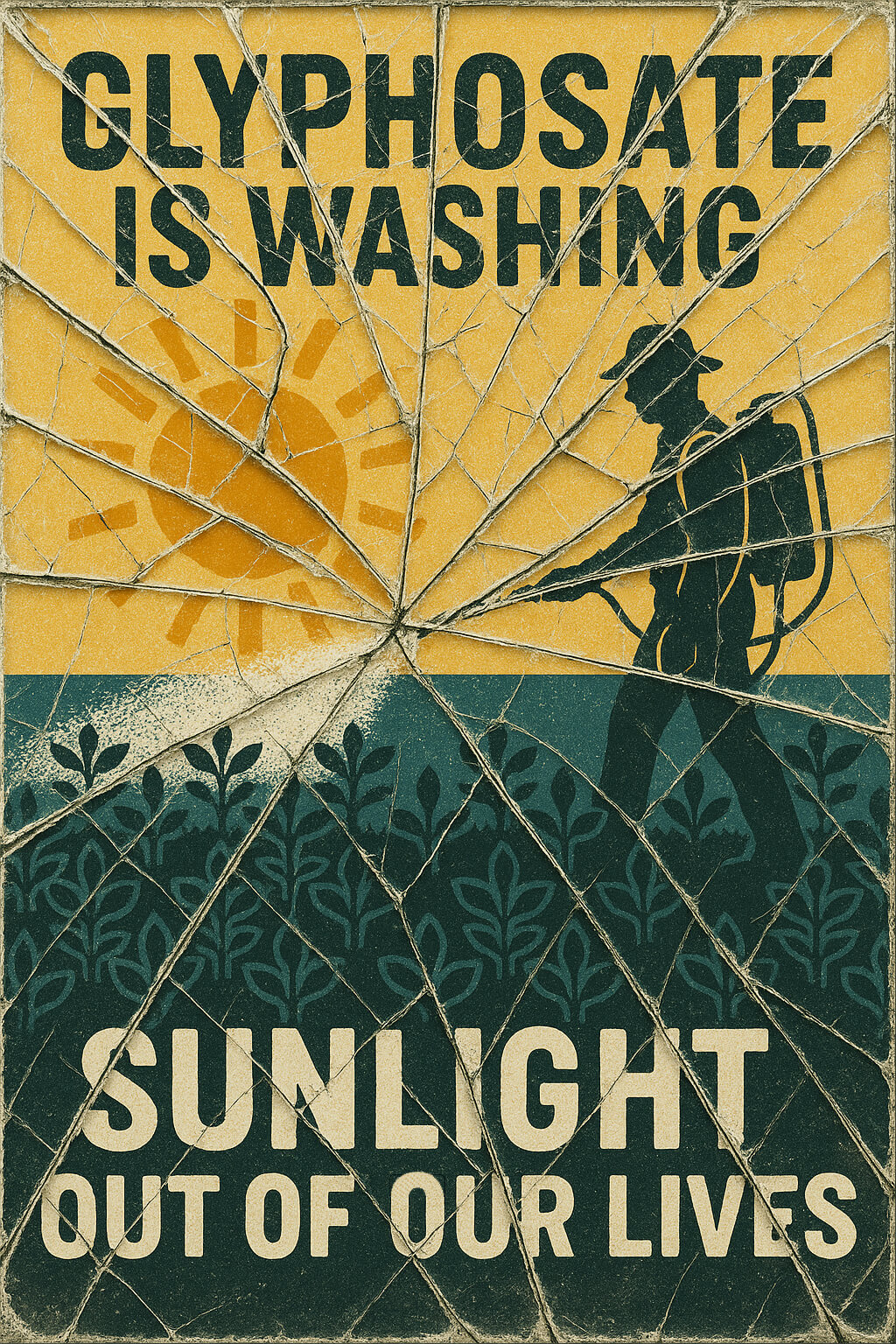

Glyphosate disrupts vitamin D metabolism through six interconnected biochemical pathways: inhibiting cytochrome P450 enzymes essential for vitamin D activation, chelating mineral cofactors required for enzymatic function, destroying beneficial gut bacteria that synthesize vitamin D precursors, impairing liver hydroxylation processes, compromising intestinal absorption, and interfering with vitamin D receptor signaling. These mechanisms operate simultaneously at exposure levels commonly found in food and water – with oat-based cereals containing up to 2,837 ppb, chickpeas reaching 17,718 ppb, and 95% of conventional grain products testing positive for the herbicide. Research demonstrates that glyphosate suppresses the CYP27A1, CYP2R1, and CYP27B1 enzymes responsible for converting vitamin D to its active form, while epidemiological studies show correlations between rising glyphosate use since the 1990s and the concurrent vitamin D deficiency epidemic affecting over one billion people globally. The biochemical disruption occurs through both direct enzyme inhibition and indirect effects via gut microbiome destruction, creating a multi-system failure in vitamin D homeostasis that standard supplementation alone may not overcome.
Cytochrome P450 Enzymes Face Molecular-Level Disruption
The vitamin D activation pathway depends critically on a cascade of cytochrome P450 enzymes that glyphosate systematically disrupts through direct binding and cofactor depletion. Research by Samsel and Seneff demonstrated that glyphosate binds directly to the heme pocket of CYP enzymes via its nitrogen group, achieving 75% inhibition of CYP71B1 activity at just 15 μM concentration and complete elimination at 35 μM. The primary vitamin D hydroxylases affected include CYP2R1 and CYP27A1 in the liver (converting vitamin D3 to 25-hydroxyvitamin D), CYP27B1 in the kidney (producing active 1,25-dihydroxyvitamin D), and CYP24A1 responsible for catabolism. These enzymes require iron-containing heme groups for function, but glyphosate’s powerful chelation of iron, manganese, and zinc depletes these essential cofactors, creating a double mechanism of enzyme dysfunction.
Studies show that even at concentrations 100 times lower than agricultural use levels, glyphosate measurably reduces hepatic cytochrome P450 activity across multiple enzyme families. The disruption extends beyond simple inhibition – compensatory upregulation of CYP2 mRNA observed in exposed animals indicates metabolic stress as cells attempt to overcome the blockade. This enzymatic sabotage occurs at the molecular level through competitive inhibition at active sites while simultaneously starving enzymes of the metal cofactors they require for proper folding and catalytic activity. The mitochondrial CYP enzymes particularly affected – CYP27A1, CYP27B1, and CYP24A1 – depend on iron-sulfur clusters that become unavailable when glyphosate chelates their component minerals.
Gut Bacteria Essential for Vitamin D Synthesis Suffer Selective Extinction
Glyphosate functions as a patented antimicrobial agent that preferentially destroys beneficial gut bacteria while allowing pathogenic species to thrive, fundamentally altering the intestinal ecosystem required for vitamin D metabolism. Research reveals that 54% of human gut bacterial species are intrinsically sensitive to glyphosate, including critical genera like Lactobacillus, Bifidobacterium, and Faecalibacterium that produce short-chain fatty acids and maintain intestinal barrier integrity. These bacteria possess Class I EPSPS enzymes highly susceptible to glyphosate’s inhibition of the shikimate pathway, which blocks their synthesis of aromatic amino acids essential for survival.
Studies by Shehata and colleagues demonstrated that beneficial bacteria show greater susceptibility to glyphosate than pathogenic species like Clostridium perfringens and Salmonella, creating dysbiosis that cascades into vitamin D dysfunction. At the U.S. acceptable daily intake of 1.75 mg/kg/day, glyphosate significantly reduces beneficial bacterial populations, decreasing production of butyrate, propionate, and acetate – metabolites crucial for maintaining gut pH and mineral absorption necessary for vitamin D activation. The disrupted microbiome also impairs tryptophan metabolism and indole production, affecting serotonin synthesis that regulates calcium absorption in concert with vitamin D.
The selective bacterial extinction triggers inflammatory responses with increased pro-inflammatory cytokines including IL-6, TNF-α, and IL-1β that further interfere with vitamin D receptor signaling. Animal studies show sharp upregulation of zonulin expression following glyphosate exposure, breaking down intestinal tight junctions and creating “leaky gut syndrome” that allows undigested proteins and toxins into the bloodstream. This intestinal permeability disruption, documented through altered expression of ZO-1 and ZO-2 proteins, directly impairs the absorption of fat-soluble vitamins including vitamin D while triggering systemic inflammation that blocks its activation.
Liver Toxicity Compounds Vitamin D Hydroxylation Failure
Multiple pathways of hepatotoxicity from glyphosate exposure converge to impair the liver’s critical role in vitamin D metabolism, with studies linking chronic low-dose exposure to non-alcoholic fatty liver disease (NAFLD) and compromised 25-hydroxylation capacity. Mills and colleagues found significantly higher glyphosate excretion in NASH patients compared to healthy controls, while Mesnage’s research demonstrated NAFLD biomarkers in animals exposed to doses previously considered safe. The hepatic damage manifests through mitochondrial dysfunction with disrupted oxidative phosphorylation, increased oxidative stress evidenced by lipid peroxidation markers, and enhanced CD68+ macrophage infiltration indicating chronic inflammation.
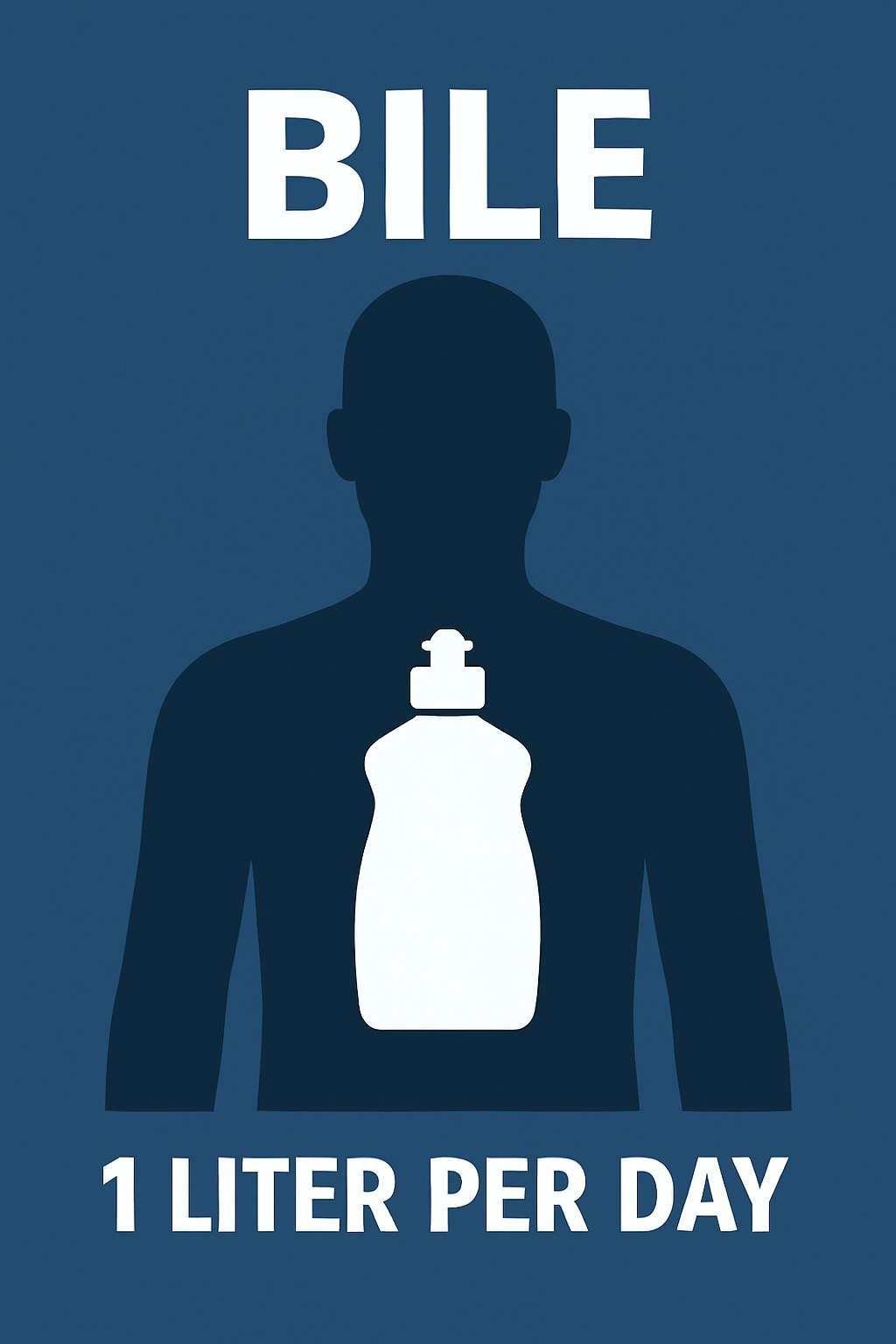
The liver’s vitamin D hydroxylation depends on properly functioning CYP2R1 and CYP27A1 enzymes, both demonstrated targets of glyphosate inhibition. Beyond direct enzyme suppression, glyphosate disrupts bile acid synthesis through inhibition of CYP7A1 and CYP7B1, creating a cascade of dysfunction where insufficient bile acids impair formation of lipid micelles necessary for vitamin D absorption in the small intestine. Studies on Danish dairy cattle fed glyphosate-treated feed showed elevated urinary glyphosate levels correlating with liver damage biomarkers, while clinical research in Thailand links exposure to chronic liver disease and hepatocellular carcinoma. This multi-faceted hepatotoxicity – combining direct enzyme inhibition, inflammatory damage, and bile acid disruption – creates a bottleneck in vitamin D metabolism where even adequate dietary intake cannot be properly processed into the circulating 25-hydroxyvitamin D form.
Food Contamination Data Reveals Ubiquitous Exposure at Concerning Levels
Testing by the Environmental Working Group, FDA, and independent laboratories reveals glyphosate contamination throughout the food supply at levels that mechanistic studies suggest can disrupt vitamin D metabolism. Oat-based products show the highest contamination, with Quaker Oatmeal Squares reaching 2,837 ppb in 2018 testing – nearly 18 times EWG’s 160 ppb children’s health benchmark. While some improvement occurred by 2023 with levels dropping below 500 ppb in certain products, 95% of conventional oat cereals still test positive, with popular brands like Honey Nut Cheerios containing 833 ppb and regular Cheerios at 729 ppb.
Legume products demonstrate extreme contamination with organic Harris Teeter chickpeas incredibly testing at 17,718 ppb – exceeding even EPA tolerances – while Banza chickpea pasta contained 2,876 ppb. Whole Foods Market Original Hummus showed 2,379 ppb, approximately 15 times the EWG benchmark, with 90% of conventional chickpea products testing positive. Wheat products consistently contain glyphosate with whole wheat bread reaching 1,040 ppb, and 18 of 26 Non-GMO labeled products still showing contamination. School lunch testing revealed 95.3% of samples positive, with beef tacos at 287 ppb and pizza averaging 156 ppb, exposing children during critical developmental periods.
Beverage contamination extends exposure beyond solid foods, with wine samples ranging from 5 ppb in organic varieties to 51.4 ppb in conventional brands, while beer contamination ranged from 20-50 ppb across major brands including Budweiser (27 ppb), Coors Light (31 ppb), and imported Tsingtao (49.7 ppb). Municipal water supplies show contamination below EPA’s 700 ppb limit but often exceeding EWG’s 5 ppb health guideline, with all five major orange juice brands testing positive at 4.33-26.05 ppb. The pre-harvest desiccation practice – spraying glyphosate on crops to speed drying – drives much of this contamination, explaining why grain products show the highest levels.
Clinical Evidence Links Exposure Patterns to Vitamin D Deficiency Epidemic
Epidemiological research reveals compelling correlations between glyphosate exposure patterns and vitamin D deficiency, though direct causation studies measuring both urinary glyphosate and serum 25-hydroxyvitamin D remain limited. NHANES data demonstrates that vitamin D3 levels fell sharply from 1988-1994 to 2001-2004, precisely tracking the explosion in glyphosate use following introduction of genetically modified crops in the mid-1990s. Nancy Swanson’s correlation research found coefficients exceeding 0.90 between glyphosate application rates and 22 chronic diseases, with autism rates showing an almost perfect correlation (P = 0.997) with glyphosate use over the previous four years.
Studies examining related pesticides provide supporting evidence, with NHANES 2003-2004 data from 1,275 adults showing significant associations between organochlorine pesticide exposure and lower vitamin D levels – p,p′-DDT exposure correlated with β = −0.022 (P<0.01) reduction in vitamin D status. More recent NHANES 2013-2016 data found negative correlations between urinary glyphosate and total bone mineral density (β = −0.0141 to −0.0160), suggesting vitamin D-mediated effects on bone health. Agricultural workers show particularly concerning patterns, with Central American sugar cane workers experiencing epidemic kidney failure linked to glyphosate exposure, while oxidative stress biomarkers increase with higher urinary glyphosate levels.
Detection of glyphosate in 80% of U.S. adults in NHANES 2017-2018 sampling confirms ubiquitous exposure, with negative correlations found between urinary glyphosate and serum antioxidants including carotenoids that share metabolic pathways with vitamin D. Children show particular vulnerability with exposure levels ranging from 0.28 to 4.04 μg/L in the limited testing conducted on only 520 children worldwide, raising concerns about developmental impacts during critical growth periods when vitamin D requirements are highest.
Mineral Chelation Creates Cascading Cofactor Deficiencies
Glyphosate’s molecular structure enables powerful chelation of divalent cations through its amino, carboxylic, and phosphonic acid groups, forming stable complexes that sequester minerals essential for vitamin D metabolism. The herbicide binds minerals in order of affinity – strongly chelating copper and zinc, moderately binding calcium, magnesium, manganese, and iron – making these cofactors biologically unavailable for enzymatic processes. Danish dairy cattle fed glyphosate-ready feed showed marked serum deficiencies in manganese and cobalt, while plant studies demonstrated 50-65% reduction in essential minerals following glyphosate exposure.
The vitamin D activation pathway requires these exact minerals as cofactors: iron for CYP enzyme heme groups, zinc for vitamin D receptor DNA binding domains, magnesium for receptor conformation and vitamin D-protein interactions, and manganese for multiple synthetic enzymes. When glyphosate chelates these minerals, it creates a cascade of deficiencies that impair every step from initial hydroxylation through final receptor activation. Studies show altered intestinal pH from reduced short-chain fatty acid production further decreases mineral solubility and transporter function, compounding the chelation effects.
This mineral sequestration particularly affects mitochondrial CYP enzymes – CYP27A1, CYP27B1, and CYP24A1 – which require iron-sulfur clusters for electron transport during hydroxylation reactions. The microsomal CYP2R1 enzyme similarly depends on NADPH-cytochrome P450 reductase containing iron-sulfur centers that become dysfunctional without adequate mineral cofactors. The systemic mineral deficiency created by glyphosate chelation thus sabotages vitamin D metabolism at multiple enzymatic checkpoints while simultaneously impairing the receptor mechanisms needed for biological response.
Conclusion
The evidence reveals glyphosate as a multi-pathway disruptor of vitamin D metabolism operating through interconnected mechanisms that create systemic dysfunction exceeding simple nutrient deficiency. The biochemical sabotage occurs at exposure levels routinely encountered through food and water consumption, with grain products containing up to 2,837 ppb and legumes reaching an astounding 17,718 ppb – far exceeding levels shown to inhibit CYP enzymes and destroy beneficial gut bacteria. The simultaneous disruption of hepatic hydroxylation, intestinal absorption, mineral cofactor availability, and receptor signaling creates a perfect storm where standard vitamin D supplementation alone cannot restore normal metabolism.
The temporal correlation between escalating glyphosate use since the 1990s and the concurrent vitamin D deficiency epidemic affecting over one billion people globally suggests this herbicide may be a primary driver of a massive public health crisis. The mechanistic evidence – from CYP enzyme inhibition to selective bacterial extinction to mineral chelation – provides biological plausibility for the epidemiological associations, while the ubiquitous contamination of the food supply ensures continuous population-wide exposure. Addressing vitamin D deficiency in the context of ongoing glyphosate exposure requires not just supplementation but consideration of the multiple biochemical pathways being simultaneously disrupted. The research indicates that achieving optimal vitamin D status may be biochemically impossible while consuming foods contaminated with glyphosate at current levels, suggesting that reducing exposure through organic food choices and filtered water may be prerequisites for restoring normal vitamin D metabolism.
So what can we do?
There is a lot we can do. Join us in https://www.facebook.com/groups/vitaminsun
Learn how to remove foods that commonly inhibit our metabolism https://www.facebook.com/groups/30beginners/
Learn more about bile /built-on-bile
Read My Framework and the rest of the pages in that section /my-framework