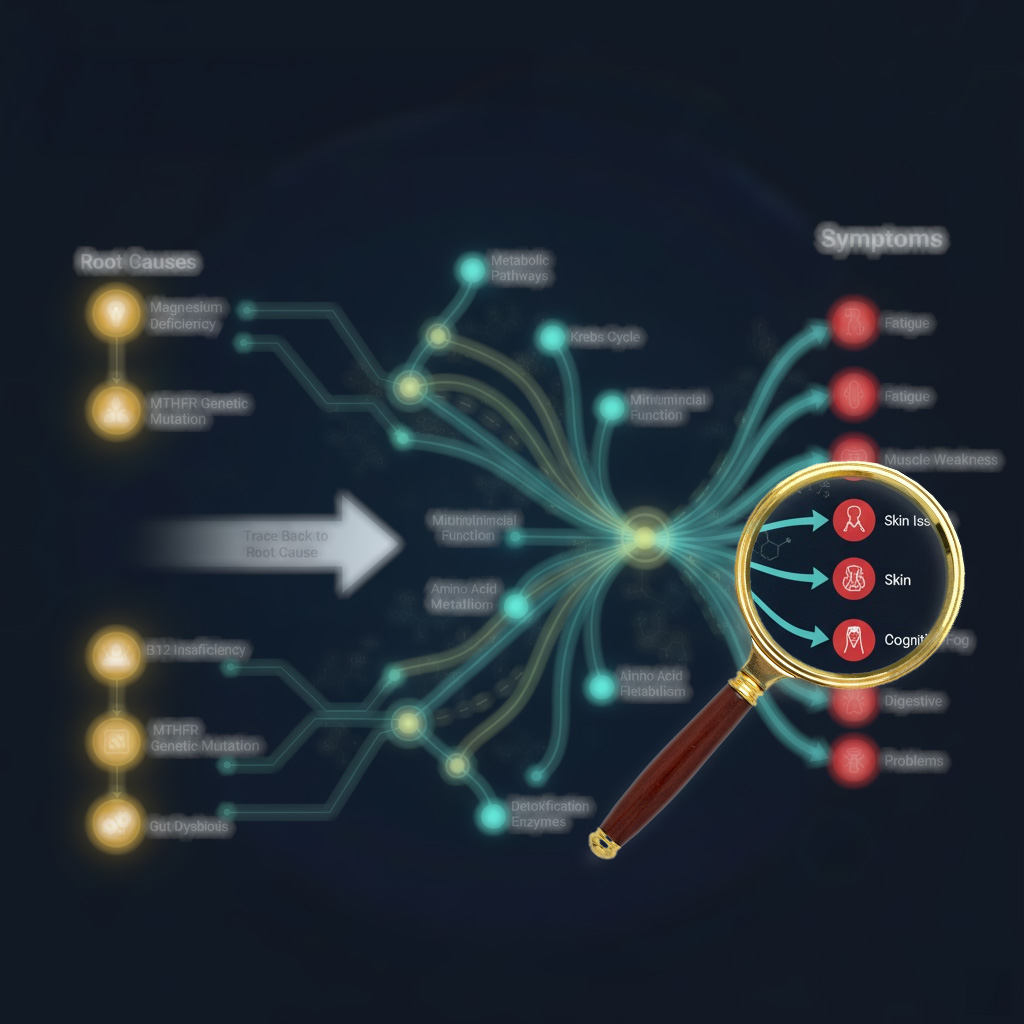

Master List of Nutrient Deficiency and Toxicity Symptoms
This comprehensive reference guide lists symptoms associated with both deficiency and excess of essential nutrients. Use this as a searchable resource to identify potential nutritional imbalances based on symptoms. Remember that many symptoms overlap between different nutrients, and proper testing is recommended for accurate diagnosis.
VITAMINS
Vitamin A (Retinol)
Deficiency symptoms: Night blindness and difficulty seeing in low light, dry eyes with conjunctival dryness and Bitot’s spots, dry and rough skin with hyperkeratosis and scaling, frequent respiratory and urinary tract infections, impaired wound healing with slower recovery, hair loss and brittle hair texture, growth retardation in children, dental problems including enamel defects
Excess symptoms: Severe and persistent headache and dizziness, nausea and vomiting with gastrointestinal distress, dry and peeling skin particularly on palms and soles, significant hair loss and alopecia, bone and joint pain with muscle aches, blurred vision and visual disturbances, fatigue and irritability with mood changes, liver enlargement in chronic cases
Vitamin B1 (Thiamine)
Deficiency symptoms: Fatigue and general malaise, irritability and mood changes, short-term memory difficulties, muscle weakness and muscle cramps, loss of appetite, numbness and tingling in extremities, difficulty with coordination and balance, sleep disturbances and restlessness
Excess symptoms: Generally considered safe with no established upper limit or known toxicity symptoms from typical doses
Vitamin B2 (Riboflavin)
Deficiency symptoms: Cracks at corners of mouth (angular stomatitis), swollen and cracked lips (cheilosis), swollen and red tongue (glossitis), itchy red watery eyes, scaly oily skin rash (seborrheic dermatitis), sore throat, hair loss, fatigue and weakness
Excess symptoms: Generally considered safe with excess excreted in urine causing bright yellow coloration (harmless)
Vitamin B3 (Niacin)
Deficiency symptoms: Rough scaly skin that darkens in sun (pellagra), bright red swollen tongue, digestive issues including nausea and diarrhea, fatigue and weakness, headaches, depression and mental confusion, irritability and aggression, memory problems
Excess symptoms: Skin flushing burning and tingling especially on face and chest, headaches and dizziness, nausea and stomach upset, liver damage with long-term high doses, low blood pressure
Vitamin B5 (Pantothenic Acid)
Deficiency symptoms: Fatigue and general malaise, headaches, irritability and restlessness, numbness and tingling in hands and feet, muscle cramps and weakness, sleep disturbances, gastrointestinal upset and abdominal cramps, personality changes and depression
Excess symptoms: Mild diarrhea and gastrointestinal distress at very high doses (10+ grams)
Vitamin B6 (Pyridoxine)
Deficiency symptoms: Irritability depression and confusion, weakened immune function with frequent infections, anemia despite adequate iron, cracked and sore lips, inflamed tongue (glossitis), skin rashes particularly seborrheic dermatitis, nerve pain and neuropathy symptoms
Excess symptoms: Nerve damage with numbness and tingling in extremities, difficulty walking and balance problems, skin lesions, sensitivity to sunlight, nausea and heartburn, can occur with doses as low as 25mg daily long-term
Vitamin B6 – P5P Form (Pyridoxal-5-Phosphate)
P5P-specific deficiency symptoms: P5P is the active coenzyme form of B6 that bypasses liver conversion. Deficiency symptoms are similar to B6 but may manifest more quickly in those with impaired liver function or genetic variations affecting B6 activation. Additional symptoms include elevated homocysteine despite taking regular B6, morning sickness that doesn’t respond to standard B6, carpal tunnel syndrome, trigger finger, and excessive dream recall issues.
P5P form considerations: P5P is generally considered safer than pyridoxine HCl at equivalent doses because it doesn’t require conversion and doesn’t accumulate in tissues the same way. However, high doses (over 50mg daily) can still cause neuropathy symptoms, though typically at higher thresholds than pyridoxine. Unique to P5P excess: vivid dreams or nightmares, temporary increase in dream recall, possible copper depletion as P5P is involved in ceruloplasmin synthesis, and potential for lowering dopamine in sensitive individuals leading to depression or low motivation.
When P5P is preferred over regular B6: Liver dysfunction or fatty liver disease, MTHFR mutations or methylation issues, autism spectrum disorders, peripheral neuropathy from regular B6, medication interactions (especially with L-DOPA), elevated inflammatory markers, and chronic fatigue syndrome. P5P bypasses the need for liver conversion by alkaline phosphatase enzyme, making it immediately bioavailable.
Vitamin B7 (Biotin)
Deficiency symptoms: Thinning hair and hair loss, red scaly rash around eyes nose and mouth, conjunctivitis, depression and lethargy, hallucinations in severe cases, numbness and tingling in extremities, elevated cholesterol
Excess symptoms: Generally considered safe but may interfere with laboratory test results
Vitamin B9 (Folate)
Deficiency symptoms: Megaloblastic anemia with fatigue and weakness, irritability and behavioral changes, poor growth in children, tongue swelling and mouth sores, gray hair, digestive issues, neural tube defects in developing fetuses, elevated homocysteine
Excess symptoms: Can mask B12 deficiency allowing neurological damage to progress, sleep problems, irritability, gastrointestinal upset, may affect zinc absorption
Vitamin B12 (Cobalamin)
Deficiency symptoms: Megaloblastic anemia with extreme fatigue, numbness and tingling in hands and feet, difficulty walking and balance problems, memory loss and cognitive decline, depression and mood changes, smooth swollen tongue, vision problems, elevated homocysteine
Excess symptoms: Generally considered safe but rare cases of acne or rosacea with very high doses
Vitamin C (Ascorbic Acid)
Deficiency symptoms: Easy bruising and slow wound healing, bleeding gums and loose teeth, dry rough skin, frequent infections, joint pain and swelling, fatigue and mood changes, iron deficiency anemia despite adequate iron intake, scurvy in severe cases
Excess symptoms: Diarrhea and gastrointestinal distress, kidney stones in susceptible individuals, nausea and abdominal cramps, headaches, insomnia, increased iron absorption potentially harmful
Vitamin D
Quick Note: Steroid hormone D3 is an indicator of how much sunlight we’re able to absorb. When it’s low, it’s because our nutrients are weak and we’re not absorbing enough sun. I have several articles under the “light” section in the menu.
Deficiency symptoms: Bone pain and muscle weakness, increased fracture risk, frequent infections, fatigue and tiredness, depression and mood changes, impaired wound healing, hair loss, muscle pain and aches
Excess symptoms: Hypercalcemia with nausea vomiting and weakness, kidney stones and kidney damage, bone pain, heart arrhythmias, confusion and cognitive issues, excessive thirst and urination
Vitamin E (Tocopherols)
Deficiency symptoms: Muscle weakness and loss of muscle mass, vision problems including retinopathy, immune system impairment, peripheral neuropathy, ataxia and impaired reflexes, hemolytic anemia in premature infants
Excess symptoms: Increased bleeding and hemorrhage risk, interference with vitamin K, nausea and diarrhea, fatigue and weakness, headaches, blurred vision
Vitamin K
Deficiency symptoms: Easy bruising and excessive bleeding, heavy menstrual periods, blood in urine or stool, poor bone mineralization and fractures, calcification of soft tissues, slow wound healing
Excess symptoms: Generally safe but may interfere with anticoagulant medications, rare cases of allergic reactions with synthetic forms
MINERALS
Calcium
Deficiency symptoms: Muscle cramps and spasms, numbness and tingling in fingers, fatigue and weakness, abnormal heart rhythms, osteoporosis and bone fractures, dental problems, depression and anxiety, memory problems
Excess symptoms: Kidney stones, constipation, interference with iron and zinc absorption, heart palpitations, muscle weakness, bone pain, confusion and cognitive impairment, calcification of soft tissues
Magnesium
Deficiency symptoms: Muscle cramps twitches and tremors, mental health changes including anxiety and depression, fatigue and weakness, irregular heartbeat, high blood pressure, osteoporosis, headaches and migraines, insulin resistance
Excess symptoms: Diarrhea, nausea and vomiting, lethargy and muscle weakness, low blood pressure, irregular heartbeat, breathing difficulties in severe cases
Iron
Deficiency symptoms: Fatigue and weakness from reduced oxygen transport, pale skin nails and inner eyelids, shortness of breath and chest pain, cold hands and feet, brittle or spoon-shaped fingernails, unusual cravings for ice starch or dirt (pica), restless leg syndrome, heavy menstrual periods
Excess symptoms: Nausea and vomiting, abdominal pain and diarrhea potentially with blood, progressive liver damage and dysfunction, heart problems and irregular heartbeat, joint pain and arthritis, diabetes-like symptoms from pancreatic damage, bronze or grayish skin hyperpigmentation, fatigue and organ failure
Zinc
Deficiency symptoms: Impaired wound healing, hair loss or thinning, loss of appetite and taste changes, frequent infections from compromised immunity, white spots on fingernails, delayed growth in children, diarrhea, skin rash or dermatitis around mouth
Excess symptoms: Nausea and vomiting, loss of appetite, abdominal cramps and diarrhea, headaches and dizziness, copper deficiency anemia from absorption blocking, reduced immune function paradoxically, low HDL cholesterol, metallic taste in mouth
Copper
Deficiency symptoms: Anemia unresponsive to iron supplementation, fatigue and weakness, frequent infections, osteoporosis and bone fractures, loss of skin and hair pigmentation, neurological problems including numbness, high cholesterol, growth problems in children
Excess symptoms: Nausea and vomiting, abdominal pain and cramps, diarrhea, liver damage from copper accumulation, jaundice from liver dysfunction, metallic taste, headaches, kidney damage with chronic excess
Selenium
Deficiency symptoms: Muscle weakness and fatigue, hair loss and brittle nails, increased susceptibility to infections, reduced fertility and reproductive issues, thyroid dysfunction particularly with iodine deficiency, impaired immune function, Keshan disease (cardiomyopathy) in severe cases
Excess symptoms: Hair loss and nail brittleness or loss, garlic odor in breath, metallic taste in mouth, nausea and diarrhea, skin rash and irritability, nervous system abnormalities, fatigue
Iodine
Deficiency symptoms: Goiter from enlarged thyroid gland, hypothyroidism symptoms including fatigue weight gain and cold intolerance, impaired mental function and work productivity, pregnancy complications and fetal developmental issues, hair thinning and skin changes, decreased metabolism, muscle weakness
Excess symptoms: Goiter paradoxically from excess, hyperthyroidism symptoms including anxiety rapid heartbeat and weight loss, elevated TSH levels, hypothyroidism in susceptible individuals, thyroiditis, gastrointestinal symptoms, abdominal pain and fever
Potassium
Deficiency symptoms: Muscle weakness cramps and spasms, fatigue and weakness, constipation, abnormal heart rhythms, increased blood pressure, kidney stones, glucose intolerance, respiratory muscle weakness
Excess symptoms: Irregular heartbeat and palpitations, muscle weakness, nausea, paralysis in extreme cases, cardiac arrest in severe hyperkalemia
Sodium
Deficiency symptoms: Headache and confusion, nausea and vomiting, muscle cramps and weakness, seizures in severe cases, fatigue, restlessness and irritability, low blood pressure
Excess symptoms: High blood pressure, fluid retention and edema, headaches, kidney disease, cardiovascular problems, stomach cancer risk, osteoporosis from calcium loss
Phosphorus
Deficiency symptoms: Bone pain and fragility, muscle weakness, fatigue, irritability and anxiety, numbness and tingling, poor appetite, increased infection susceptibility, respiratory failure in severe cases
Excess symptoms: Calcium deposits in soft tissues, diarrhea, hardening of organs and tissues, interference with calcium absorption, kidney damage, cardiovascular disease
Manganese
Deficiency symptoms: Poor bone growth and skeletal defects, impaired glucose tolerance, skin rash, hair depigmentation, reduced cholesterol levels, increased seizure susceptibility, reproductive issues
Excess symptoms: Neurological symptoms similar to Parkinson’s, tremors, muscle rigidity, impaired cognition, psychiatric symptoms including aggression, respiratory problems from inhalation
Chromium
Deficiency symptoms: Impaired glucose tolerance, increased insulin requirements, elevated cholesterol and triglycerides, peripheral neuropathy, confusion and impaired coordination, weight loss, decreased growth rate
Excess symptoms: Stomach irritation and ulcers, kidney and liver damage, skin irritation, respiratory problems from inhalation, increased cancer risk with hexavalent chromium
Molybdenum
Deficiency symptoms: Rapid heartbeat and breathing, headaches, night blindness, nausea and vomiting, disorientation and confusion, sulfite sensitivity, increased dental cavities, sexual impotence in men
Excess symptoms: Gout-like symptoms from uric acid buildup, joint pain and swelling, copper deficiency anemia, diarrhea, growth retardation
AMINO ACIDS
Tryptophan
Deficiency symptoms: Depression and mood disorders, anxiety and irritability, sleep problems and insomnia, carbohydrate cravings, poor impulse control, memory problems, headaches, weight loss or poor weight gain
Excess symptoms: Drowsiness and sedation, nausea, headaches, dry mouth, blurred vision, muscle weakness, sexual dysfunction, potential serotonin syndrome with other serotonergic substances
Lysine
Deficiency symptoms: Fatigue and weakness, poor concentration, irritability, bloodshot eyes, hair loss, anemia, reproductive disorders, slow growth, nausea
Excess symptoms: Stomach cramps and diarrhea, nausea, kidney dysfunction at very high doses, gallstone formation, elevated cholesterol in some cases
Methionine
Deficiency symptoms: Fatty liver disease, edema, hair loss, weakness, skin lesions, slow growth in children, depression
Excess symptoms: Elevated homocysteine, cardiovascular disease risk, neurological problems, acidosis, nausea and irritability
Phenylalanine
Deficiency symptoms: Depression and mood changes, memory problems, confusion, lack of energy, decreased alertness, diminished appetite, skin hypopigmentation
Excess symptoms: Anxiety and jitteriness, hypertension, headaches, nausea, heartburn, nerve damage with extremely high levels (phenylketonuria)
Threonine
Deficiency symptoms: Digestive problems, fatty liver, irritability, mental confusion, skin problems, impaired immune function
Excess symptoms: Headaches, stomach upset, nausea, skin rash
Valine
Deficiency symptoms: Muscle wasting and weakness, poor coordination, mental and emotional disorders, insomnia, hypersensitivity to touch and sound
Excess symptoms: Crawling sensation on skin, hallucinations, ammonia toxicity symptoms, fatigue
Leucine
Deficiency symptoms: Muscle loss and weakness, fatigue, dizziness, irritability, headaches, hair loss, skin problems, slow wound healing
Excess symptoms: Pellagra-like symptoms, ammonia toxicity, neurological problems, hypoglycemia
Isoleucine
Deficiency symptoms: Muscle tremors, weakness, fatigue, dizziness, headaches, irritability, depression, confusion
Excess symptoms: Ammonia buildup symptoms, fatigue, loss of coordination
Histidine
Deficiency symptoms: Anemia, joint pain, hearing problems, sexual dysfunction, skin lesions, poor immune response
Excess symptoms: Psychological disorders, anxiety, stress, copper deficiency with chronic high doses
Arginine
Deficiency symptoms: Poor wound healing, hair loss, skin rash, constipation, fatty liver, immune dysfunction
Excess symptoms: Nausea and diarrhea, weakness, low blood pressure, airway inflammation, blood abnormalities
Glutamine
Deficiency symptoms: Digestive issues and IBS symptoms, muscle wasting, weakened immune system, poor wound healing, sugar cravings, mental fatigue
Excess symptoms: Gastrointestinal upset, headaches, joint pain, fatigue at very high doses
Tyrosine
Deficiency symptoms: Low blood pressure, low body temperature, thyroid dysfunction, depression, fatigue, muscle loss
Excess symptoms: Nausea, headache, fatigue, heartburn, joint pain, thyroid hormone imbalances
Cysteine
Deficiency symptoms: Impaired detoxification, respiratory problems, immune dysfunction, poor wound healing, hair loss, edema
Excess symptoms: Nausea, vomiting, diarrhea, kidney stones, may interfere with insulin
Glycine
Deficiency symptoms: Poor collagen formation, joint problems, impaired wound healing, digestive issues, poor sleep quality, anxiety
Excess symptoms: Mild sedation, stomach upset at very high doses
Proline
Deficiency symptoms: Poor wound healing, joint pain, skin problems, arterial stiffness, premature aging signs
Excess symptoms: Generally well tolerated, rare reports of nausea
Serine
Deficiency symptoms: Neurological symptoms, seizures, cognitive impairment, psychosis in severe cases, muscle weakness
Excess symptoms: Generally well tolerated, occasional gastrointestinal upset
OTHER COMPOUNDS
Omega-3 Fatty Acids (EPA/DHA)
Deficiency symptoms: Dry skin and dermatitis, brittle hair and nails, joint pain and stiffness, depression and mood disorders, poor concentration and memory, fatigue, heart problems, inflammatory conditions
Excess symptoms: Increased bleeding time, fishy taste and breath, gastrointestinal upset, nausea, loose stools, potential immune suppression at very high doses
Omega-6 Fatty Acids
Deficiency symptoms: Dry and flaky skin, hair loss, poor wound healing, growth retardation, reproductive issues, kidney dysfunction, excessive water loss through skin
Excess symptoms: Increased inflammation, higher cardiovascular disease risk, weight gain, immune dysfunction, mood disorders
Coenzyme Q10 (CoQ10)
Deficiency symptoms: Muscle weakness and fatigue, heart problems including congestive heart failure, high blood pressure, gum disease, cognitive impairment, migraines, exercise intolerance
Excess symptoms: Insomnia, liver enzyme elevation, rash, nausea, upper abdominal pain, dizziness, fatigue, headache, heartburn
Alpha-Lipoic Acid
Deficiency symptoms: Impaired glucose metabolism, increased oxidative stress, nerve damage symptoms, fatigue, memory problems
Excess symptoms: Nausea and stomach upset, skin rash, hypoglycemia in diabetics, thiamine deficiency with long-term use
Probiotics
Deficiency symptoms: Digestive issues and dysbiosis, frequent infections, allergies and food sensitivities, inflammatory bowel conditions, mood disorders and anxiety, skin problems, autoimmune conditions
Excess symptoms: Bloating and gas, temporary digestive upset, brain fog in sensitive individuals, histamine reactions in some people, rare infections in immunocompromised
Digestive Enzymes
Deficiency symptoms: Bloating and gas after meals, feeling full after eating small amounts, undigested food in stool, nutrient deficiencies despite good diet, floating or greasy stools, abdominal pain or cramping, food intolerances
Excess symptoms: Nausea, diarrhea, abdominal cramping, allergic reactions in sensitive individuals, dependency with long-term use
Glutathione
Deficiency symptoms: Increased oxidative stress, frequent infections, chronic fatigue, brain fog, detoxification problems, accelerated aging, muscle and joint pain, sleep problems
Excess symptoms: Abdominal cramps, bloating, allergic reactions including rash, potential zinc depletion with long-term high doses
Choline
Deficiency symptoms: Fatty liver disease, muscle damage, cognitive decline, memory problems, mood disorders, elevated homocysteine, growth problems in children
Excess symptoms: Fishy body odor, sweating, salivation, gastrointestinal distress, vomiting, low blood pressure
Inositol
Deficiency symptoms: Depression and anxiety, panic attacks, PCOS symptoms, hair loss, eczema, constipation, high cholesterol
Excess symptoms: Nausea, gas, diarrhea, dizziness, headache, fatigue
SAM-e (S-adenosylmethionine)
Deficiency symptoms: Depression, joint pain and stiffness, liver dysfunction, poor detoxification, fibromyalgia symptoms
Excess symptoms: Anxiety and mania in bipolar, insomnia, nausea, diarrhea, sweating, dizziness, dry mouth
NADH
Deficiency symptoms: Chronic fatigue, cognitive dysfunction, depression, Parkinson-like symptoms, poor exercise tolerance
Excess symptoms: Jitteriness, anxiety, insomnia, nausea, loss of appetite
Melatonin
Deficiency symptoms: Insomnia and sleep disorders, circadian rhythm disruption, mood disorders, increased inflammation, accelerated aging, weakened immune function
Excess symptoms: Daytime drowsiness, headaches, dizziness, nausea, vivid dreams or nightmares, depression, reduced body temperature
Nutrient Interactions When Supplements Are Stacked
When we combine multiple supplements, we create a complex web of interactions that can either enhance or inhibit their effectiveness. Understanding these interactions is crucial for avoiding amplified symptoms, nutrient depletion, and unexpected side effects that arise not from individual supplements, but from how they interact with each other.
Core Mineral Antagonisms That Create Symptoms
The Zinc-Copper Battle
The interaction: Zinc and copper compete for the same metallothionein transport proteins. Taking 50mg+ of zinc daily can induce copper deficiency within weeks.
Amplified symptoms when stacked:
- Severe fatigue (worse than either deficiency alone)
- Hair loss and premature graying
- Joint pain and connective tissue weakness
- Elevated cholesterol despite other interventions
- Anemia that doesn’t respond to iron
- Neurological symptoms: numbness, tingling, balance issues
Critical timing: Take zinc and copper at least 2 hours apart. A 15:1 zinc to copper ratio is often recommended, but individual needs vary based on ceruloplasmin status.
The Calcium-Magnesium-Zinc Triangle
The interaction: These three minerals compete for absorption through shared transporters in the intestinal wall.
Symptoms from poor ratios:
- Muscle cramps despite taking magnesium (calcium blocking absorption)
- Anxiety worsening with calcium supplementation (suppresses magnesium)
- Immune dysfunction when high calcium blocks zinc
- Bone pain from calcium depositing in soft tissues (inadequate magnesium)
- Restless legs syndrome from the combined imbalance
Optimal approach: Research suggests a 2:1 calcium to magnesium ratio, with zinc taken separately from both, preferably on an empty stomach or with a small amount of protein.
Iron’s Multiple Conflicts
Iron blocks absorption of:
- Zinc: Competition for DMT1 transporter
- Manganese: Shared transport pathway
- Copper: Oxidation interference
- Vitamin E: Iron oxidizes and destroys vitamin E
Stacking symptoms:
- Digestive distress when taken with other minerals
- Increased oxidative stress (destroys antioxidants)
- Thyroid dysfunction (blocks iodine utilization with other minerals)
- Paradoxical worsening of fatigue
Fat-Soluble Vitamin Competition
The ADEK Complex
Vitamin D’s Domino Effect
When high-dose vitamin D is stacked with other nutrients:
- Depletes magnesium rapidly (requires 7 enzymes that need magnesium)
- Increases calcium absorption excessively without adequate K2
- Can suppress vitamin A activity, causing:
- Night blindness despite adequate vitamin A intake
- Skin problems (dry, rough, bumpy)
- Increased infections
- Without adequate K2: soft tissue calcification, kidney stones, arterial stiffness
The K2 dependency: High-dose vitamin D creates functional K2 deficiency by increasing production of vitamin K-dependent proteins beyond what available K2 can activate.
When people say ‘just take magnesium and k2 etc’ they are ignoring the complex interactions that make our metabolism work. We can’t shift steroid hormones with 1-5 nutrients. The whole point of this website is to highlight how things work together and depend on each other.
Vitamin E’s Blocking Effects
High-dose vitamin E (>400 IU) can:
- Block vitamin K function (increased bleeding, bruising)
- Interfere with vitamin A storage
- Reduce vitamin D activation
- Compete with other antioxidants like CoQ10
B-Vitamin Imbalances from Isolated Supplementation
The B6 Paradox
High-dose B6 (pyridoxine) without other B vitamins causes:
- Peripheral neuropathy (tingling, numbness) – can occur with doses as low as 25mg daily
- Depletes B2 (riboflavin) and B3 (niacin)
- Blocks B12 utilization at nerve endings
- Creates relative folate deficiency
Folate-B12 Masking
High-dose folate can mask B12 deficiency, allowing neurological damage to progress while correcting megaloblastic anemia. Symptoms include:
- Progressive nerve damage despite “normal” blood work
- Cognitive decline
- Balance and gait problems
- Mood changes and depression
The Methylation Stack Trap
Combining methylfolate + methylB12 + SAMe + TMG without proper cofactors can cause:
- Severe anxiety and panic attacks
- Insomnia
- Muscle tension and pain
- Histamine reactions
- Mood swings
Solution: Start with small doses and ensure adequate B2, B3, B6 (as P5P), magnesium, and potassium before adding methylation support.
My viewpoint: If non methylated forms of b9 and b12 are not working as we expect, our cells are likely not advancing forward with them on purpose. Newer vehicles go into limp-mode when they detect a deficiency. Methyls are very likely bypassing that safety measure. Maybe if everyone were talking about supporting bile and sunlight etc, I wouldn’t assume we’re doing it wrong and overriding things.
Amino Acid Competition
The Large Neutral Amino Acids (LNAAs)
Stacking conflicts:
- 5-HTP + Tyrosine: Competition reduces effectiveness of both for mood
- BCAAs + Tryptophan: BCAAs block tryptophan, reducing serotonin and melatonin
- High-protein meals + amino acid supplements: Dietary proteins interfere with therapeutic aminos
Resulting symptoms:
- Mood disorders despite taking mood-supporting aminos
- Sleep problems when melatonin precursors can’t enter brain
- Reduced mental clarity
- Increased anxiety
Dangerous Synergistic Amplifications
The Serotonin Stack
Combining multiple serotonin-enhancing supplements can cause serotonin syndrome:
- 5-HTP + St. John’s Wort + SAMe = Risk of serotonin excess
- Symptoms: Agitation, confusion, rapid heart rate, dilated pupils, muscle rigidity, heavy sweating
The Stimulant Stack
Combining caffeine + tyrosine + phenylalanine + B vitamins can cause:
- Severe anxiety and jitters
- Heart palpitations
- Insomnia lasting days
- Adrenal exhaustion
- Blood pressure spikes
The Blood Thinner Stack
Combining omega-3 + vitamin E + garlic + ginkgo + turmeric creates excessive anticoagulation:
- Easy bruising
- Prolonged bleeding from cuts
- Internal bleeding risk
- Heavy menstrual bleeding
Absorption Enhancers That Become Problems
Vitamin C’s Double Edge
While vitamin C enhances iron absorption, this becomes problematic when:
- Taking with iron supplements in those with hemochromatosis genes
- Combined with copper (vitamin C converts copper to unusable form)
- High doses destroy B12 in the stomach
Black Pepper Extract (Piperine)
Increases absorption of many nutrients by up to 2000% but also:
- Slows liver detoxification of medications and supplements
- Can cause toxic accumulation of fat-soluble vitamins
- Increases absorption of heavy metals
- May cause excessive absorption of iron
Timing Strategies to Minimize Interactions
Morning (empty stomach)
- Iron (if needed) – alone
- B12 (sublingual avoids stomach acid issues)
- Thyroid medications (away from all minerals)
Morning (with breakfast)
- B-complex vitamins
- Vitamin C
- Water-soluble antioxidants
Lunch
- Multivitamin (if using)
- K2 (with fat)
- Omega-3s
Afternoon (empty stomach)
- Amino acids for mood/energy
- Zinc (if not in morning)
Dinner
- Calcium (if supplementing)
- Vitamin E (away from iron and A)
Bedtime
- Magnesium
- Calming aminos (tryptophan, glycine)
- Copper (if supplementing – away from zinc)
Testing to Monitor Interactions
Essential tests when stacking supplements:
- Complete blood count: Monitors for anemias from mineral competition
- Comprehensive metabolic panel: Kidney function, electrolytes
- RBC minerals: Intracellular magnesium, zinc, copper
- Vitamin D(but we need to also test 1,25 and compare to 25oh) + PTH + calcium: Monitors calcium metabolism
- Ferritin + iron panel: Prevents iron overload
- B12 + folate + homocysteine: Methylation status
- Ceruloplasmin: Copper status
I recovered my health with small amounts of varying nutrients without testing anything.
Red Flags: When Stacking Has Gone Wrong
Stop and reassess if experiencing:
- New symptoms worse than original complaints
- Extreme fatigue despite “energy” supplements
- Mood swings or anxiety from “calming” supplements
- Digestive issues worsening with each addition
- Hair loss accelerating
- Skin problems (rashes, acne, dryness) emerging
- Heart palpitations or blood pressure changes
- Neurological symptoms (tingling, numbness, tremors)
The Cofactor Web: Hidden Requirements
What High-Dose B Vitamins Deplete
- B1 (Thiamine): Depletes magnesium, requires B2 and B3
- B2 (Riboflavin): Needs iron, molybdenum
- B3 (Niacin): Depletes methyl groups, needs B6
- B5 (Pantothenic acid): Requires cysteine, B1
- B6: Depletes B2, needs zinc and magnesium
- B7 (Biotin): Competes with B5
- B9 (Folate): Needs B12, B2, B3, zinc
- B12: Requires folate, adequate stomach acid
Mineral Cofactor Requirements
- Zinc: Needs B6, adequate stomach acid, vitamin A
- Iron: Requires vitamin C, B2, copper, vitamin A
- Magnesium: Needs B6, sunlight, boron
- Selenium: Requires vitamin E, protects from mercury
- Iodine: Needs selenium, tyrosine, B2, B3
Safe Stacking Strategies
Start Low and Slow
- Introduce one supplement at a time
- Wait 3-7 days before adding another
- Document any changes in symptoms
- Start at 25-50% of recommended doses. Dump out some of the capsule or sprinkle only some in water
Build Your Stack in Layers
Foundation layer: Magnesium, B-complex, vitamin C
Second layer: K2, omega-3s
Third layer: Targeted minerals (zinc, iron if needed)
Fourth layer: Specialized supplements (amino acids, herbs)
Cycle Your Supplements
- Daily: Basic vitamins and minerals at moderate doses
- Every other day: Higher dose minerals
- 2-3 times per week: Fat-soluble vitamins
- Periodically: Take breaks from everything except essentials
The Bottom Line
Nutrient interactions are not just theoretical concerns – they create real symptoms that can be worse than the original problems we’re trying to solve. The key to successful supplementation isn’t taking more, but understanding how nutrients interact and timing them strategically.
When symptoms worsen despite “perfect” supplementation, the problem often isn’t what we’re taking individually, but how these nutrients are fighting, blocking, or amplifying each other. Research consistently shows that balanced, moderate supplementation with proper timing produces better outcomes than aggressive mega-dosing.
Remember: The body’s nutrient systems evolved to work with food-based nutrition where these interactions are naturally buffered. When we use isolated supplements, we must consciously recreate these buffers through careful timing, appropriate ratios, and constant monitoring of our response.