
Chronic illness fuels $3.8 trillion economic crisis while pharma profits soar
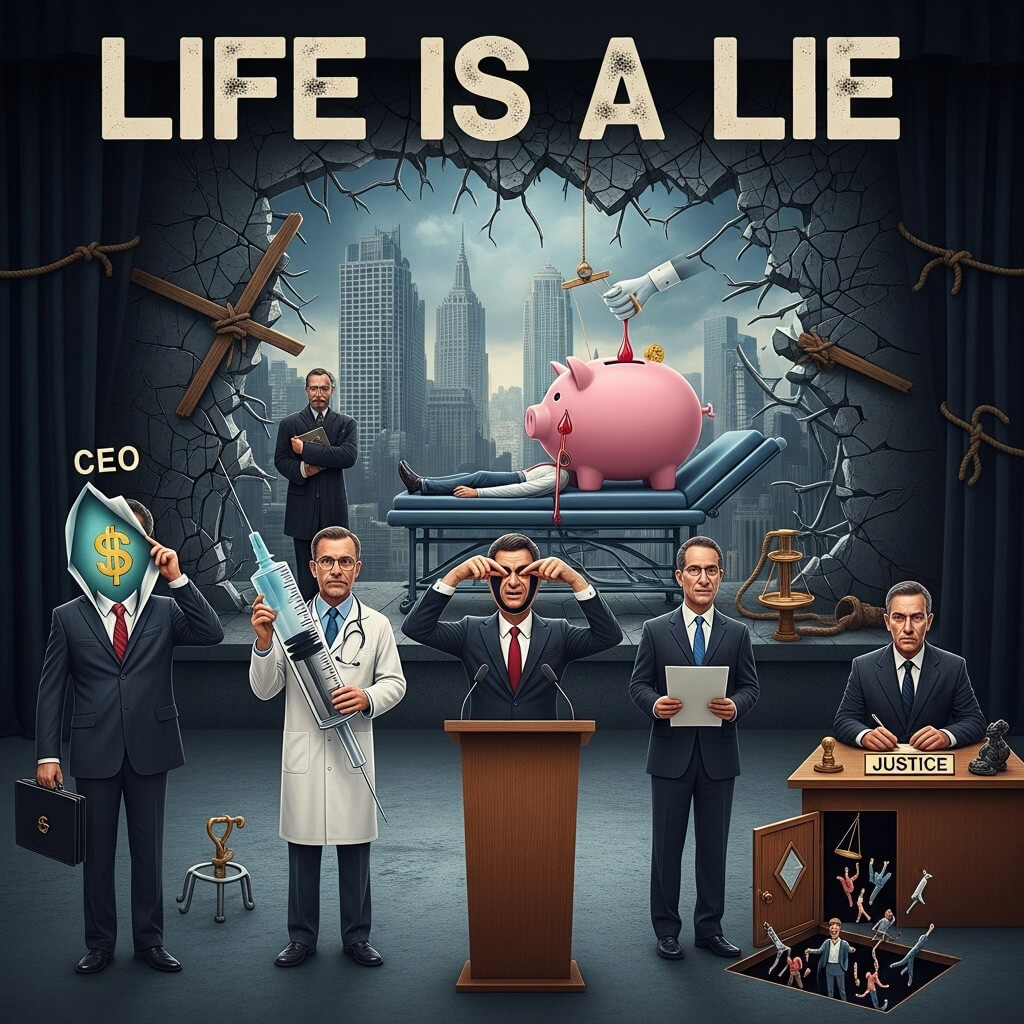
Chronic illness triggers a devastating cascade that drives 530,000 Americans into medical bankruptcy annually and contributes to the nation’s 771,480 homeless population, while imposing total societal costs of $3.7-3.8 trillion yearly—nearly 20% of GDP. Despite these staggering losses, the pharmaceutical industry’s practices may be actively worsening the crisis through systematic overprescription, price manipulation, and prioritizing profitable symptom management over cures, as evidenced by $2.9 billion in fraud settlements in 2024 alone.
The cascade from illness to homelessness devastates millions
The progression from chronic illness to socioeconomic collapse follows a predictable pattern affecting millions of Americans. 58% of U.S. employees report having chronic health conditions, with multiple conditions reducing employment probability by 11-29%. Workers with chronic illness miss 3-9 additional work days annually, and 49% feel unable to take necessary time off for medical appointments, creating a collision between health needs and employment stability.
When illness forces job loss, financial catastrophe follows swiftly. Americans currently owe $220 billion in medical debt, with 20 million people (1 in 12 adults) carrying medical obligations. This burden drives 66.5% of all personal bankruptcies—making medical expenses the leading cause of financial collapse. Even those with insurance aren’t protected: more than half of people with medical debt incurred it while covered. The geographic disparities are stark, with South Dakota residents facing 17.7% medical debt rates compared to Hawaii’s 2.3%.
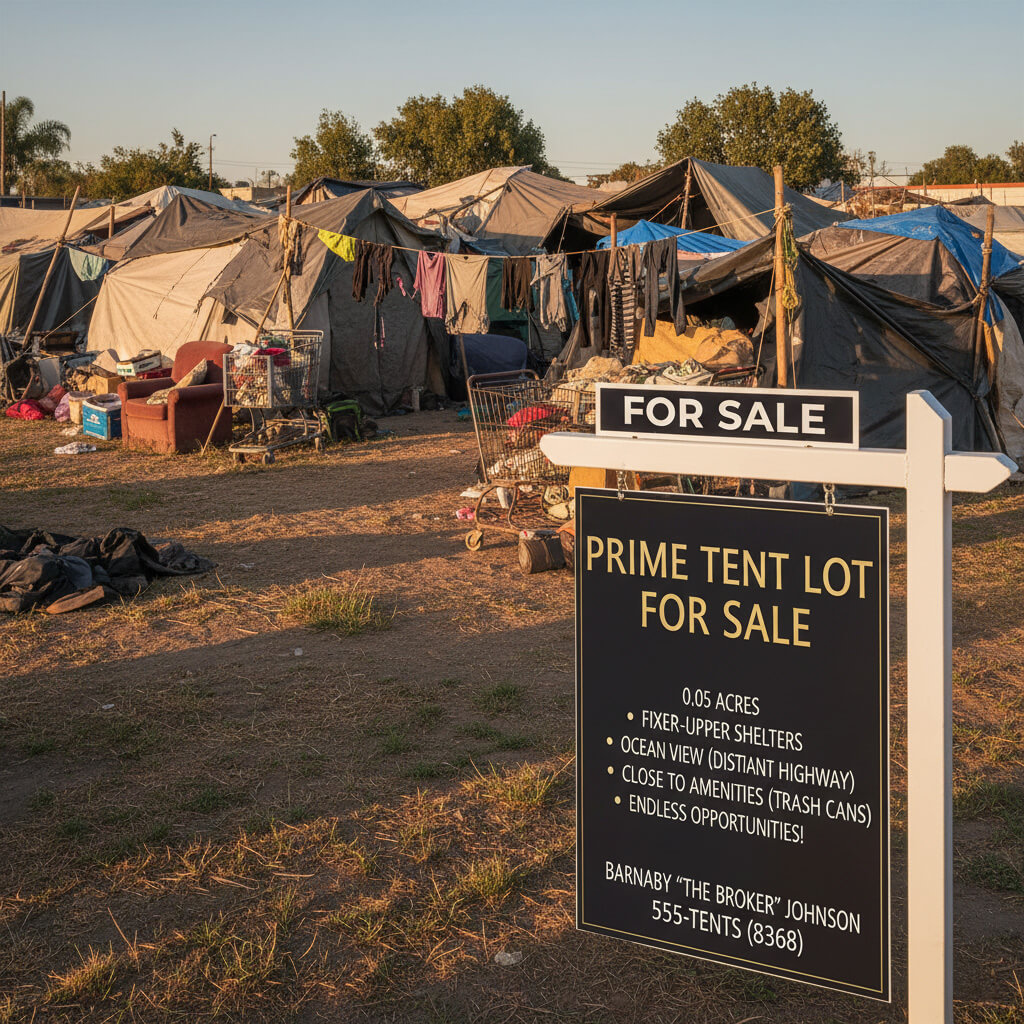
The final stage manifests in housing instability. Medical debt directly contributes to homelessness, with Seattle studies showing it extends homelessness by more than 2 years. Among the homeless, 85% have chronic health conditions, with a median of 4 chronic conditions compared to 2 in the general population. Real cases illustrate this cascade: Kayce Atencio suffered a heart attack at 19, declared bankruptcy by 25, and spent years without stable housing. A 35-year-old diabetic in Savannah lost her toe, then her job, then her leg, accumulating hundreds of thousands in debt before becoming homeless.
Racial disparities amplify the cascade’s impact. 27.9% of Black households carry medical debt versus 17.2% of white households, and people of color with medical debt problems experience homelessness one year longer than white individuals. The COVID-19 pandemic accelerated this pipeline, creating 1 million newly disabled workers and demonstrating how quickly health crises generate mass economic displacement.
Total societal costs reach unprecedented levels
The comprehensive economic burden of chronic illness reaches $3.7-3.8 trillion annually, though including all indirect costs pushes estimates to $7.8 trillion. Direct healthcare spending accounts for $1.1-4.9 trillion, with chronic diseases driving 90% of the nation’s total healthcare expenditures. Specific conditions impose massive burdens: Alzheimer’s costs $360 billion, diabetes $413 billion, and cardiovascular disease $233.3 billion in healthcare costs alone.
Lost productivity compounds these direct costs, totaling $530 billion to $1.1 trillion annually through absenteeism, presenteeism, and early retirement. Heart disease and stroke alone cause $184.6 billion in lost productivity. The disability system bears $213 billion in annual payments through Social Security Disability Insurance ($152 billion) and Supplemental Security Income ($61 billion), supporting 7.3 million disabled workers and families.
Perhaps most striking is the hidden burden of unpaid family caregiving, valued at $600-873.5 billion annually. 48 million family caregivers provide 36 billion hours of unpaid care, with Alzheimer’s caregiving alone worth $346.6 billion. The average caregiver faces $659,000 in lifetime financial losses from reduced wages and benefits. Additional costs include $35+ billion for homelessness services, with chronically homeless individuals costing $35,000 annually—their healthcare costs running 2.5 times higher than housed populations.
These figures translate to approximately $11,000-24,000 per American annually—more than the entire federal budget and equivalent to the combined revenue of America’s largest corporations. With an aging population and rising chronic disease prevalence, projections suggest costs could double within 30 years without intervention.
Society fails to address root causes despite crushing costs
The inadequate response to chronic illness prevention represents a complex system failure across multiple domains. The most dramatic example occurred in 2025 when the CDC’s budget was slashed from $9.2 to $4.2 billion, completely eliminating the $1.4 billion Center for Chronic Disease Prevention. This followed historical patterns of “feast or famine” funding, with the CDC’s inflation-adjusted budget increasing only 6% over two decades while emergency preparedness funding was cut by half since 2003.
Healthcare system fragmentation affects 47% of Americans with chronic illnesses, creating “noncontinuous, low-quality, duplicated care” from providers operating in independent silos. The persistence of fee-for-service payment models rewards volume over outcomes—essentially making “a sick patient worth more than a healthy patient.” Hospitals depend on chronic illness complications for revenue, with 90% of $4.9 trillion in annual healthcare expenditures going to chronic and mental health conditions.
Social determinants create upstream barriers that individual behavior change cannot overcome. 13.8 million households face food insecurity, with rates 2.5 times higher in food deserts. Environmental justice issues concentrate hazardous materials in low-income communities, while nearly half of Americans have low health literacy, preventing effective prevention participation. Cultural barriers, mistrust in clinical institutions due to historical discrimination, and language barriers further obstruct access to preventive services.
The political landscape demonstrates active hostility toward prevention. House Republicans cut over $800 billion from Medicaid and ACA marketplaces over ten years while eliminating proven programs despite demonstrated effectiveness—the CDC’s Opioid Overdose Prevention program was defunded after achieving a 7% decline in overdoses. Mesa County Public Health lost $350,000, potentially affecting 12% of its workforce, exemplifying how budget cuts dismantle local capacity for chronic disease prevention.
Pharmaceutical industry practices systematically worsen chronic illness
Evidence from 2020-2025 reveals pharmaceutical companies actively exacerbate the chronic illness crisis through multiple mechanisms. Polypharmacy—patients taking 5+ medications—increased from 8.2% in 1999-2000 to 17.1% in 2017-2018, with 42% of adults over 65 now taking 5+ drugs. This practice carries an 88% increased hospitalization risk and causes 3 million emergency department visits annually from polypharmacy-related falls. The FDA found 25-98% of prescribed opioid tablets go unused after surgery, yet prescribing continues unabated.
The industry creates “prescribing cascades” where initial drugs cause side effects requiring additional medications, generating new chronic conditions. Systematic review identified 46 documented cascades, such as amlodipine causing edema leading to diuretic prescriptions in up to 1 in 22 patients. These cascades transform temporary treatments into lifelong medication dependencies.
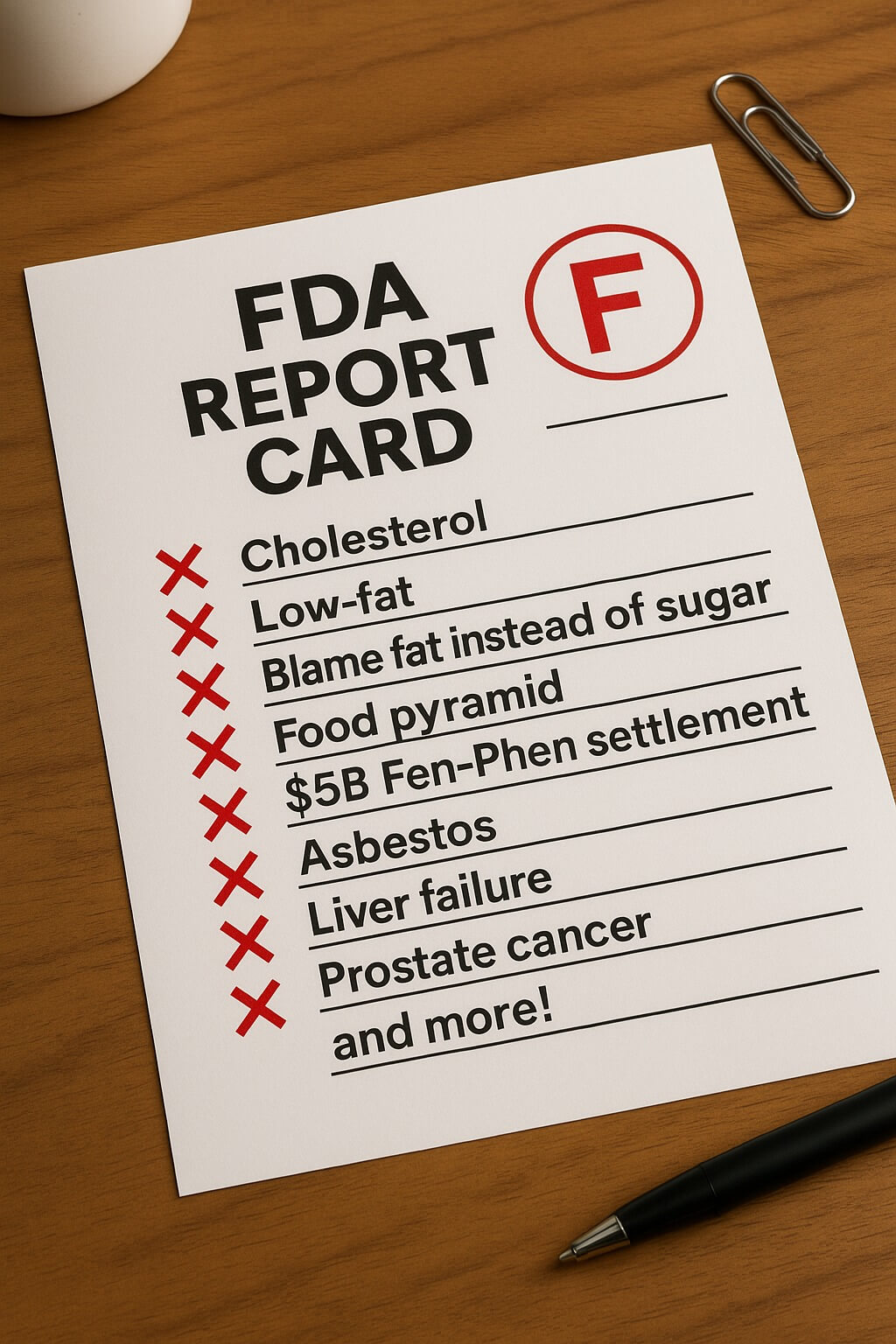
Record-breaking fraud settlements reveal the scale of misconduct. Fiscal Year 2024 saw $2.9 billion in False Claims Act settlements—the second-highest ever—with 979 whistleblower lawsuits filed. Teva Pharmaceuticals paid $425 million for manipulating Medicare copays while raising drug prices. The FTC sued the “Big Three” pharmacy benefit managers controlling 80% of all prescriptions for creating a “perverse drug rebate system” that increased insulin prices 1,200% from $21 to $274, leaving one in four insulin patients unable to afford medication.
ProPublica investigations uncovered systematic targeting of problematic prescribers. Over 25% of top prescribers for opioid maker Mallinckrodt were later convicted, disciplined, or fined for wrongdoing. The FDA allowed 150+ risky drugs from banned factories, causing 70 hospitalizations and 9 deaths. Internal documents show companies instructing sales representatives to cultivate relationships with physicians despite known misconduct.
The industry’s R&D priorities reveal profit-focused strategies. Despite $260+ billion in global pharma R&D spending, companies emphasize chronic disease management over cures. Only 23.5% of the pipeline involves novel mechanisms of action, while companies focus on extending patents for profitable drugs rather than breakthrough treatments. The shift toward high-priced biologics and specialty drugs ensures continued dependency rather than resolution of underlying conditions.
Conclusion
The research reveals a self-reinforcing cycle where chronic illness generates massive societal costs while systems designed to address it actively perpetuate the problem. The $3.8 trillion annual burden represents not just economic loss but millions of shattered lives progressing from illness to bankruptcy to homelessness. The 2025 elimination of CDC’s chronic disease prevention infrastructure while pharmaceutical companies face billion-dollar fraud settlements for practices that worsen illness exposes a system prioritizing short-term profits over population health.
Breaking this cycle requires fundamental restructuring: transitioning from fee-for-service to prevention-focused payment models, rebuilding dismantled public health infrastructure, addressing social determinants through comprehensive policy intervention, and regulatory reform to align pharmaceutical incentives with patient outcomes rather than perpetual treatment. The alternative—continuing current trajectories—projects a doubling of costs within 30 years, creating an economically and socially unsustainable future where chronic illness consumes ever-larger portions of national resources while destroying millions more lives through the inexorable cascade from sickness to destitution.