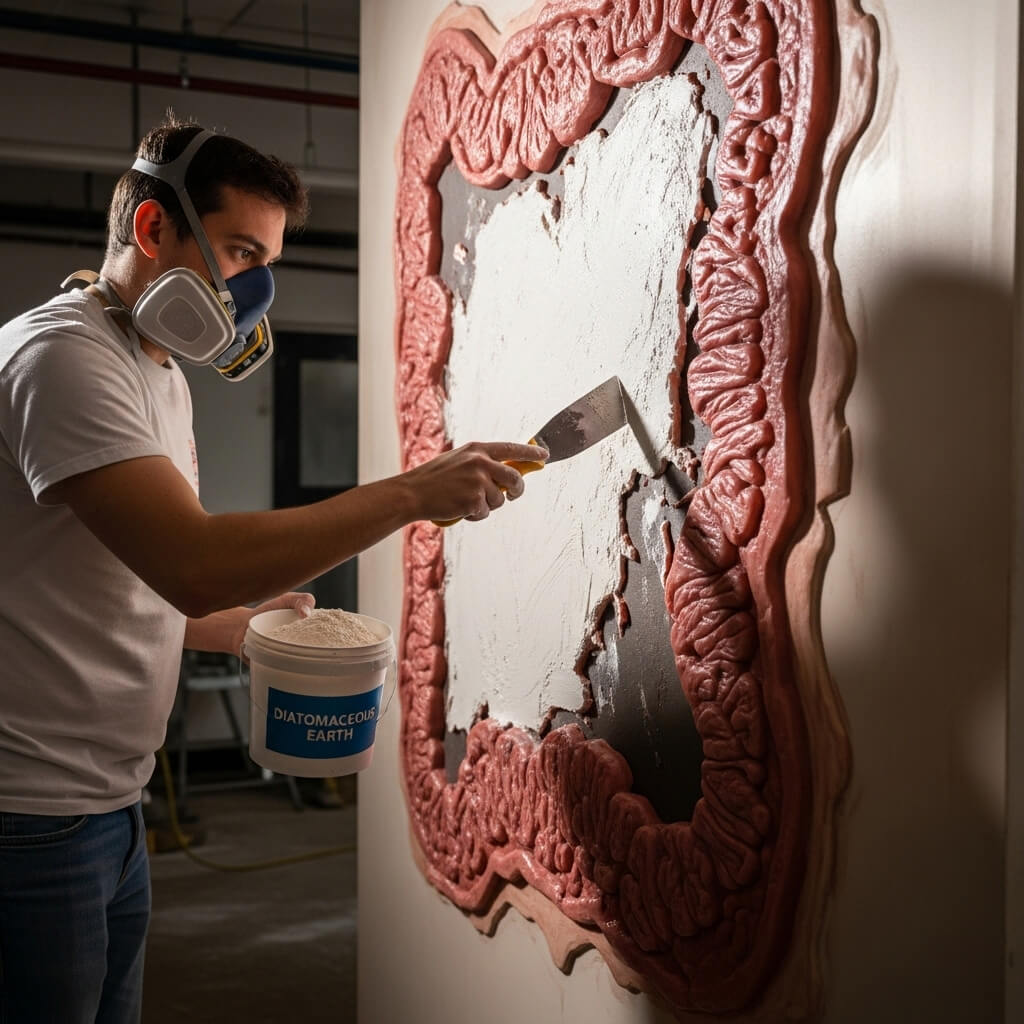

Sulfur sensitivity affects an estimated 10-15% of the population with symptoms ranging from brain fog and digestive distress to skin issues and fatigue following consumption of sulfur-rich foods. The condition stems from impaired sulfur metabolism pathways, often involving deficient molybdenum-dependent sulfite oxidase enzyme function, dysbiotic gut bacteria producing excess hydrogen sulfide, and genetic variations affecting transsulfuration. Recent clinical protocols from functional medicine practitioners demonstrate that comprehensive intervention addressing bile flow, specific nutrient cofactors, and dietary modification can resolve symptoms in as little as 2-4 weeks. The key breakthrough lies in supporting the body’s sulfur detoxification systems rather than simply restricting sulfur intake long-term, with molybdenum supplementation at 150-500 mcg daily and targeted bile support forming the foundation of successful treatment protocols.
Bile’s Critical Role in Preventing Sulfur-Producing Bacterial Overgrowth
Bile insufficiency represents one of the most overlooked root causes of sulfur sensitivity, creating an environment where sulfate-reducing bacteria like Desulfovibrio proliferate unchecked in the small intestine. These bacteria, which comprise approximately 66% of all sulfate-reducing species in the gut, thrive when bile’s natural antimicrobial properties are compromised. Research demonstrates that bile acids possess direct bactericidal effects, creating what practitioners call a “clean terrain” in the small intestine that prevents bacterial migration from the colon. When bile production drops below optimal levels or gallbladder function becomes sluggish, this protective barrier fails, allowing bacteria to colonize areas where they produce excess hydrogen sulfide from dietary sulfur compounds.
Clinical protocols addressing bile insufficiency show remarkable success rates, with practitioners reporting complete resolution of ulcerative colitis symptoms in under two weeks when bile support is prioritized. The approach typically begins with 125-500 mg ox bile taken with fatty meals or on an empty stomach for antimicrobial effects, combined with phosphatidylcholine supplementation at 1-2 teaspoons daily to improve bile flow and prevent sludge formation. Supporting nutrients including taurine, glycine, and vitamin C enhance the body’s natural bile production, while betaine HCl stimulates bile release and creates an unfavorable environment for bacterial overgrowth. This multifaceted approach addresses both the immediate need for antimicrobial action and the long-term restoration of healthy bile metabolism.
The connection between bile dysfunction and SIBO reveals a complex relationship where certain bacteria actually utilize bile acids as fuel when combined with high-fat, high-protein diets. Studies show that Bacteroides species, E. coli, and particularly Desulfovibrio can metabolize bile acids, creating a vicious cycle where poor bile flow promotes bacterial growth, which further impairs bile function. Breaking this cycle requires not just bile supplementation but also targeted antimicrobial therapy, with bismuth compounds proving most effective at doses of 200-524 mg taken 2-4 times daily. Bismuth both reduces sulfate-reducing bacteria populations and binds hydrogen sulfide gas, providing immediate symptom relief while the underlying dysfunction resolves.
Molybdenum’s Essential Function in Sulfite Detoxification
Molybdenum functions as the critical cofactor for sulfite oxidase enzyme, which converts toxic sulfites to harmless sulfates in the final step of sulfur metabolism. Without adequate molybdenum, sulfites accumulate in tissues causing neurological symptoms, muscle tension, and the characteristic “brain fog” that sulfur-sensitive individuals experience after eating high-sulfur foods. Clinical evidence demonstrates that supplementation with 75-500 mcg molybdenum daily can resolve symptoms within days to weeks, with some practitioners like Chris Masterjohn reporting personal success using 600-1200 mcg daily for muscle tension relief. The mineral works by restoring sulfite oxidase function, enabling the body to properly process sulfur compounds from both dietary sources and bacterial metabolism.
The optimal form and timing of molybdenum supplementation significantly impacts therapeutic outcomes. Molybdenum glycinate chelate offers superior bioavailability compared to sodium molybdate, though both forms prove effective clinically. Dr. Greg Nigh specifically recommends Mo-Zyme Forte by Biotics, instructing patients to chew one tablet twice daily with food for optimal absorption. The supplement can be taken with or without meals, though many practitioners suggest dosing away from high-sulfur foods initially to reduce the metabolic burden during the adaptation phase. Benefits typically manifest within the first two weeks, with some patients experiencing dramatic improvement in as little as 3-5 days when molybdenum deficiency was the primary limiting factor.
Long-term molybdenum supplementation requires consideration of copper balance, as high doses can theoretically interfere with copper absorption. However, human studies using up to 1500 mcg daily showed no adverse effects on copper status, and the established upper limit of 2000 mcg provides a wide safety margin. Practitioners often recommend periodic copper monitoring for patients on doses exceeding 500 mcg for extended periods, though clinical problems remain rare. The remarkable safety profile combined with rapid symptom resolution makes molybdenum a cornerstone of sulfur sensitivity treatment, particularly for individuals with documented sulfite reactions to wine, dried fruits, or preservatives.
B2 and Selenium’s Synergistic Support of Glutathione Metabolism
Riboflavin plays multiple critical roles in sulfur metabolism through its conversion to FAD and FMN, coenzymes essential for over 168 enzymatic processes including glutathione recycling and methylation reactions. The vitamin’s importance becomes particularly evident in individuals with MTHFR gene variants, where 1.6 mg daily riboflavin normalizes homocysteine levels in C677T homozygotes who typically require 2-3 times normal B2 intake. Beyond methylation support, riboflavin directly impacts sulfur processing through glutathione reductase, the enzyme responsible for recycling oxidized glutathione back to its active form. Clinical protocols often employ therapeutic doses of 25-400 mg daily, with practitioners like Ben Lynch recommending the active R5P form at 400 mg for comprehensive MTHFR and sulfur metabolism support.
Selenium complements riboflavin’s effects by serving as the essential component of eight glutathione peroxidase enzymes that protect cells from oxidative damage while processing sulfur compounds. These selenoproteins, particularly GPx1 and GPx4, utilize glutathione as an electron donor to neutralize hydrogen peroxide and lipid peroxides generated during sulfur metabolism. Research consistently demonstrates that 100-200 mcg selenium daily optimizes glutathione peroxidase activity, with blood selenium levels around 100 ng/ml representing the saturation point for enzyme function. The choice between selenomethionine for long-term tissue storage and sodium selenite for immediate enzyme activation allows practitioners to customize protocols based on individual needs and testing results.
The synergistic relationship between B2, selenium, and glutathione creates a powerful system for managing sulfur sensitivity when all components function optimally. Riboflavin ensures glutathione recycling remains efficient, selenium enables glutathione peroxidases to neutralize reactive sulfur species, and adequate glutathione stores provide the substrate for detoxification reactions. This interconnected system explains why addressing single nutrients in isolation often fails, while comprehensive protocols supporting all three components achieve remarkable success rates. Practitioners typically combine 25-50 mg riboflavin with 100-150 mcg selenium during initial treatment phases, adjusting doses based on genetic testing results and clinical response over 4-12 weeks.
The Complete Sulfur Metabolism Cofactor Network
Beyond the primary nutrients, sulfur metabolism depends on an intricate network of cofactors working in concert through the transsulfuration and methylation pathways. Vitamin B6 as P5P serves as the rate-limiting cofactor for both CBS and cystathionine γ-lyase enzymes, making it essential for converting homocysteine through cystathionine to cysteine. Magnesium functions as a cofactor for multiple methylation enzymes while facilitating B6 transport across cell membranes, with deficiency impairing the entire transsulfuration cascade. Zinc acts as a structural component of methionine synthase and BHMT enzymes, both crucial for homocysteine remethylation when the CBS pathway becomes overloaded.
The role of iron in sulfite oxidase function remains underappreciated despite its critical importance. The SUOX enzyme requires both molybdenum cofactor and heme iron to catalyze the final conversion of sulfites to sulfates, explaining why some individuals with adequate molybdenum still experience sulfite sensitivity when iron-deficient. Vitamin B12 in its various forms impacts sulfur metabolism differently, with hydroxocobalamin preferred over methylcobalamin for sulfur-sensitive individuals because it can directly oxidize hydrogen sulfide in the blood while providing methylation support. This nuanced understanding of B12 forms represents a significant advancement in treating complex cases where standard methylation protocols worsen sulfur sensitivity symptoms.
SAMe occupies a unique position as both a methyl donor and an allosteric activator of CBS enzyme, creating a regulatory mechanism that directs homocysteine toward transsulfuration when methionine levels rise. This dual function means SAMe supplementation can paradoxically worsen sulfur sensitivity in CBS upregulation scenarios while proving beneficial when the pathway requires activation. The BHMT pathway offers an alternative route for homocysteine remethylation using betaine as a methyl donor, providing a folate-independent mechanism that becomes particularly important when MTHFR variants impair the primary methylation cycle. Supporting this pathway with betaine supplementation at 500-2000 mg daily can reduce the burden on transsulfuration while maintaining healthy homocysteine levels.
Strategic Approaches to Reducing Sulfur-Producing Gut Bacteria
Targeting sulfate-reducing bacteria requires a sophisticated antimicrobial approach that selectively reduces pathogenic species while preserving beneficial flora. Bismuth compounds emerge as the gold standard, with bismuth subnitrate at 200 mg per dose showing consistent efficacy against Desulfovibrio and other hydrogen sulfide producers. The mechanism involves both direct antimicrobial effects and the binding of hydrogen sulfide gas, providing immediate symptom relief while bacterial populations normalize. Practitioners often combine bismuth with biofilm disruptors like N-acetylcysteine at 600-1200 mg daily, taken 30 minutes before antimicrobials to enhance penetration into bacterial communities.
Herbal antimicrobials offer additional options, with emulsified oregano oil containing 55-85% carvacrol demonstrating selective activity that preserves Lactobacillus and Bifidobacterium populations. The ADP form by Biotics Research, dosed at 150-300 mg daily in divided doses, provides sustained release for optimal antimicrobial coverage throughout the intestinal tract. Berberine at 1500-4500 mg daily split into three doses adds broad-spectrum antimicrobial effects while inhibiting biofilm formation, though its primary efficacy targets hydrogen-producing rather than sulfur-reducing bacteria. This distinction proves important when selecting protocols, as hydrogen and hydrogen sulfide SIBO require different therapeutic approaches despite overlapping symptoms.
Probiotic strategies focus on introducing specific strains that competitively inhibit sulfate-reducing bacteria while supporting overall gut health. Lactobacillus plantarum LP-8 demonstrates particular efficacy in decreasing Desulfovibrio populations while simultaneously increasing beneficial Bifidobacterium species. Conversely, certain strains including L. reuteri BR11 and L. delbrueckii ATC4797 produce hydrogen sulfide themselves and should be avoided during active treatment. Prebiotic support with galacto-oligosaccharides at 2.5-5.5g daily minimizes hydrogen sulfide-producing bacteria growth while feeding beneficial species, creating a sustainable shift in microbiome composition that maintains improvements after antimicrobial therapy concludes.
CBS Mutations and the Genetics Controversy
The CBS gene mutation theory popularized in functional medicine suggests that variants like C699T and A360A cause enzyme upregulation leading to excess sulfur compound production, though academic research finds minimal supporting evidence for this claim. Population studies indicate these variants occur in 40-60% of individuals with most showing no clinical symptoms, while peer-reviewed research actually suggests some beneficial effects including reduced cardiovascular risk markers. The disconnect between functional medicine interpretation and academic science highlights the complex relationship between genetic variants and clinical expression, where environmental factors, nutrient status, and gut health may play larger roles than genetics alone.
Dr. Amy Yasko’s protocols, which prioritize CBS mutations as requiring intervention before addressing MTHFR or other methylation issues, lack peer-reviewed validation despite widespread adoption in clinical practice. Her approach recommends strict sulfur restriction and specific supplementation based on genetic testing, though critics note the absence of published research supporting these interventions. The controversy extends to proposed clinical markers like urinary sulfates above 800 or homocysteine below 6 as indicators of CBS upregulation, with these parameters lacking standardization or validation in controlled studies. This scientific gap leaves practitioners relying on clinical experience rather than evidence-based guidelines when interpreting CBS variants.
Despite the controversy, clinical observation suggests a subset of patients do respond favorably to CBS-targeted interventions, particularly when combined with comprehensive sulfur metabolism support. The key may lie not in the mutations themselves but in how they interact with other genetic variants, nutrient deficiencies, and environmental factors to create a susceptible phenotype. SUOX gene mutations affecting sulfite oxidase represent a clearer genetic cause of sulfur sensitivity, though these remain extremely rare at approximately one in 1.4 million births. The severe neurological manifestations of true SUOX deficiency contrast sharply with the subtle symptoms attributed to common CBS variants, reinforcing the need for careful clinical correlation when interpreting genetic testing results.
Evidence-Based Protocols and Treatment Sequencing
Successful treatment requires careful sequencing of interventions, with practitioners emphasizing the importance of addressing foundational issues before attempting complex protocols. The process begins with optimizing stomach acid production through betaine HCl supplementation, as pH below 2.2 is required for proper protein digestion and prevention of bacterial overgrowth. Only after establishing adequate digestive function should sulfur metabolism support commence, starting with molybdenum at 150-250 mcg daily and hydroxocobalamin B12 to oxidize circulating hydrogen sulfide. This foundation prevents the common mistake of killing bacteria without addressing the underlying metabolic dysfunction that allowed overgrowth initially.
The controversial “CBS-first” approach advocated by some practitioners suggests avoiding methyl donors like methylfolate and methylcobalamin until CBS pathway function normalizes, as these compounds theoretically increase flux through an already overburdened pathway. However, other experts argue this restriction lacks scientific basis and may deprive patients of necessary methylation support. The clinical compromise often involves using hydroxocobalamin instead of methylcobalamin and supporting the BHMT pathway with betaine while temporarily limiting other methyl donors. This nuanced approach respects both theoretical concerns and practical needs for methylation support during treatment.
Treatment timelines follow predictable patterns, with initial worsening during days 5-7 as the “sulfur dump” phenomenon occurs in sensitive individuals. Symptoms including dermatitis, fatigue, and hot flashes may intensify temporarily before resolving as the body adjusts to improved sulfur metabolism. Most patients experience significant improvement by week 2, with brain fog and digestive symptoms responding first, followed by skin issues and energy levels over the subsequent month. The complete protocol typically spans 3-6 months, though many individuals achieve sufficient improvement to expand their diet within 4 weeks of starting treatment.
Comprehensive Testing Strategies for Accurate Diagnosis
Diagnostic evaluation for sulfur sensitivity combines direct metabolic assessments with functional testing to create a complete clinical picture. The Trio-Smart breath test represents the only commercially available option measuring hydrogen sulfide alongside hydrogen and methane, with levels ≥3 ppm indicating H2S-SIBO at a cost of $200-300. Traditional SIBO tests measuring only hydrogen and methane miss these cases, which appear as “flat-line” results despite active symptoms. Urine sulfate and sulfite testing provides direct evidence of sulfur metabolism dysfunction, though false negatives occur if samples aren’t fresh since sulfites rapidly oxidize to sulfates.
Organic acids testing through MosaicDX or Genova Diagnostics offers comprehensive metabolic assessment including sulfur metabolism markers, gut dysbiosis indicators, and cofactor deficiencies for $300-500. These panels identify elevated cysteine desulfuration products, taurine synthesis abnormalities, and bacterial metabolites like 4-cresol that indicate Clostridia overgrowth. Combining OAT results with comprehensive stool analysis using qPCR technology to quantify Desulfovibrio and other sulfate-reducing bacteria provides the most complete picture of gut-related sulfur issues. The new StoolOMX add-on measuring 25 bile acid species addresses the previously overlooked connection between bile metabolism and sulfur sensitivity.
Genetic testing through platforms like 23andMe provides raw data for CBS, SUOX, and MTHFR variants at $99-199, though interpretation requires careful clinical correlation given the poor relationship between common variants and symptoms. Functional tests including homocysteine levels offer more actionable information, with values below 6 potentially indicating CBS upregulation while levels above 15 suggest impaired transsulfuration requiring B-vitamin support. The challenge-response approach using molybdenum supplementation or controlled sulfur food exposure provides practical diagnostic information when formal testing isn’t accessible, with symptom improvement over 2-4 weeks confirming functional sulfur sensitivity.
Revolutionary Dietary Modifications Beyond Simple Restriction
The low-sulfur diet protocol extends far beyond avoiding obvious triggers like garlic and eggs, incorporating specific cooking methods and strategic food choices that reduce sulfur burden while maintaining nutritional adequacy. Steaming and boiling cruciferous vegetables significantly reduces dimethyl sulfide and dimethyl trisulfide content, while quick-chilling hard-boiled eggs minimizes sulfur compound formation. The approach emphasizes dark meat poultry and fatty fish over red meat, as these proteins provide essential nutrients with lower sulfur content while supporting bile production through their fat content.
The five to seven-day elimination phase removes all high-sulfur proteins, cruciferous vegetables, alliums, legumes, and most grains except white rice limited to half-cup servings. Permitted foods include bell peppers, carrots, celery, zucchini, potatoes, most fruits, butter, ghee, and high-quality oils, creating a template that reduces sulfur intake by approximately 75% while maintaining caloric and nutrient density. The protocol requires frequent meals due to lower protein content, with liberal use of healthy fats to maintain satiety and support bile production. Sample meals might include sweet potato with ghee for breakfast, salmon salad with low-sulfur vegetables for lunch, and dark meat chicken with roasted root vegetables for dinner.
The systematic reintroduction phase beginning week 2-3 tests individual foods over 1-4 days with multiple daily servings to identify personal triggers. Most reactive foods in order of sensitivity typically include garlic, eggs, onions, kale, and other crucifers, though individual responses vary significantly. The Epsom salt bath protocol represents a crucial but counterintuitive component, with 4 cups of Epsom salt nightly by day 4 raising blood sulfate levels and reducing the body’s dependence on gut bacteria for sulfur production. This transdermal sulfate supplementation allows many patients to tolerate dietary sulfur better while supporting Phase II detoxification pathways that require sulfate conjugation.
Conclusion
The revolution in treating sulfur sensitivity lies in recognizing it as a complex metabolic dysfunction rather than a simple food intolerance, requiring comprehensive intervention across multiple body systems. The combination of bile support, targeted supplementation with molybdenum and other cofactors, strategic antimicrobial therapy, and sophisticated dietary modification achieves success rates that surpass traditional elimination diets or single-nutrient interventions. Most remarkably, this approach enables patients to eventually reintroduce previously problematic foods rather than requiring lifelong restriction, as proper metabolic support resolves the underlying dysfunction.
The clinical protocols emerging from functional medicine practice, while sometimes lacking robust peer-reviewed validation, demonstrate consistent real-world success that merits serious consideration and further research. The integration of these approaches with conventional testing and evidence-based medicine creates a powerful framework for addressing sulfur sensitivity that honors both scientific rigor and clinical innovation. As our understanding of the gut-sulfur connection continues evolving, these comprehensive protocols provide a practical roadmap for practitioners and patients navigating this complex condition.