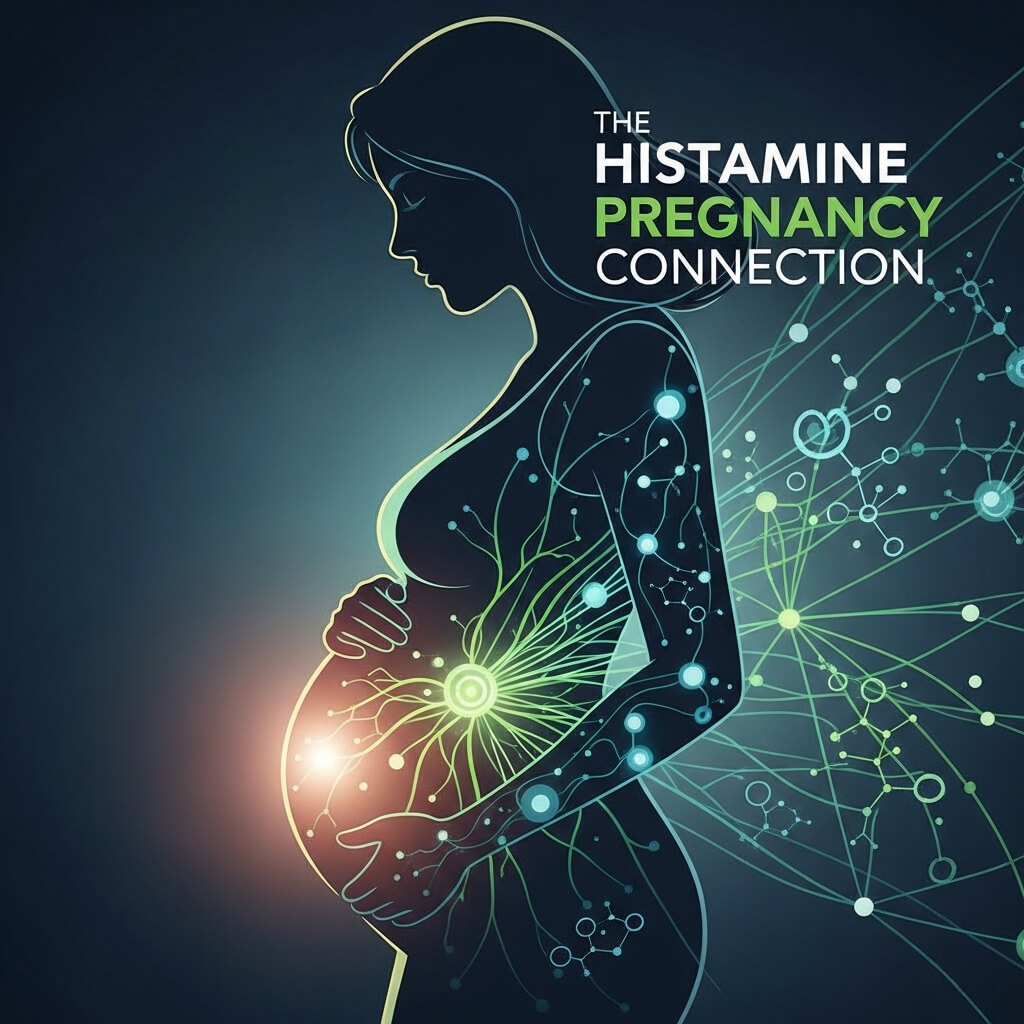

During pregnancy, a remarkable transformation occurs that most people never hear about. Deep within the placenta, specialized cells begin producing an enzyme called diamine oxidase (DAO) at levels 500 to 1000 times higher than normal – one of the most dramatic enzymatic increases in human physiology. This ancient evolutionary adaptation serves as a metabolic shield, protecting both mother and developing baby from potentially harmful histamine levels that could otherwise trigger miscarriage, preterm labor, or pregnancy complications. Understanding how to support this critical enzyme through nutrition could make the difference between a healthy pregnancy and serious complications.
The Extraordinary Biochemistry of Pregnancy Protection
The story of DAO during pregnancy begins around gestational week 7, when specialized fetal cells called extravillous trophoblasts (EVTs) invade the maternal blood vessels and begin secreting massive amounts of this copper-containing enzyme directly into the mother’s circulation. These EVTs act like biological sentinels, with 45% of those surrounding blood vessels producing DAO compared to just 20% elsewhere. The enzyme works as a molecular scissors, rapidly breaking down histamine before it can cause harm – reducing dangerous levels from over 100 ng/ml to less than 1 ng/ml in under two minutes.
This isn’t just a minor adjustment – it’s a complete metabolic transformation. A non-pregnant woman typically has DAO levels around 1.2 ng/ml in her blood. By the end of the first trimester, this skyrockets to 10-40 ng/ml, with enzyme activity reaching up to 25,000 units per milliliter compared to the normal 15-50 U/ml. The trigger for this dramatic increase? Progesterone, which directly stimulates DAO gene expression in the placental cells, creating a hormonal cascade that protects the developing pregnancy.
The enzyme itself is a sophisticated molecular machine requiring specific nutrients to function. At its core sits a copper ion, absolutely essential for its catalytic activity. Without adequate copper, the enzyme simply cannot work. It also depends on a unique cofactor called topaquinone, formed from the amino acid tyrosine, and requires vitamin B6 and vitamin C as supporting players in the histamine degradation process.
When Protection Fails: The Clinical Consequences of Low DAO
The protective importance of DAO becomes starkly clear when examining what happens when levels remain low during pregnancy. Research reveals devastating statistics: women with inadequate DAO activity face a 16-fold increased risk of miscarriage. In one pivotal study comparing 681 successful pregnancies to 102 that ended in fetal death, low DAO enzyme levels emerged as one of the strongest predictors of pregnancy loss.
The connection to pregnancy complications extends beyond miscarriage. Women who develop early-onset preeclampsia – a dangerous condition affecting blood pressure and organ function – show 40% lower DAO levels in their first trimester compared to healthy pregnancies. The enzyme deficiency appears to compromise the critical process of spiral artery remodeling, where maternal blood vessels must be transformed to adequately supply the growing placenta. Without sufficient DAO to manage histamine levels, this delicate vascular remodeling can fail, setting the stage for preeclampsia, intrauterine growth restriction, and preterm birth.
For women with pre-existing histamine intolerance, pregnancy can bring dramatic relief – when DAO levels rise properly. A Barcelona study following 30 women with diagnosed histamine intolerance found remarkable improvements: 91% reduction in flatulence, 90% reduction in bloating, 85% reduction in headaches, and 89% reduction in migraines. Their average number of symptoms dropped from 6.9 to just 1.5 during pregnancy. However, the four women who miscarried showed a much smaller DAO increase (24 U/ml versus 87 U/ml in successful pregnancies), highlighting the enzyme’s protective role.
The Nutritional Foundation for Optimal DAO Function
Supporting DAO production during pregnancy requires strategic nutritional focus on the enzyme’s essential cofactors. Copper stands as the most critical nutrient – it forms the catalytic heart of the enzyme, and without adequate copper, DAO simply cannot function. The richest dietary sources include organ meats (especially kidney), shellfish, nuts, seeds, and dark chocolate. Pregnancy creates unique challenges for copper metabolism, as it must be balanced carefully with zinc intake to ensure proper absorption of both minerals.
Vitamin B6 (pyridoxine) emerges as the second essential cofactor, with research showing plasma DAO activity directly correlates with B6 intake during pregnancy. This vitamin enables DAO to effectively break down histamine – without it, the enzyme becomes practically useless despite being present. Good sources include poultry, fish, potatoes, chickpeas, and bananas, with pregnant women potentially benefiting from up to 2mg daily under medical supervision.
Vitamin C plays a dual role, both supporting DAO function and directly reducing blood histamine levels through its own mechanisms. Studies show blood histamine levels inversely correlate with vitamin C status, and therapeutic doses up to 3,000mg have been used to manage histamine-related conditions. However, many vitamin C-rich foods like citrus fruits and strawberries are themselves high in histamine, creating a nutritional paradox that requires careful navigation. Bell peppers, broccoli, and kiwi offer vitamin C with lower histamine content.
Supporting nutrients include magnesium, which activates over 600 enzymes including those in histamine metabolism, and the standard pregnancy nutrients iron, B12, and folate, which support both DAO activity and mast cell stabilization. Magnesium deficiency particularly problematic as it simultaneously increases histamine production while reducing DAO activity.
Strategic Eating: Foods That Harm Versus Foods That Heal
The foods requiring strictest avoidance include aged cheeses (Parmesan, blue cheese, aged cheddar), fermented products (sauerkraut, kimchi, miso, soy sauce), and cured meats (salami, bacon, ham). These can contain histamine levels hundreds of times higher than fresh alternatives. Alcohol poses a double threat, containing high histamine while simultaneously blocking DAO enzyme function – making complete avoidance essential during pregnancy. Even seemingly healthy foods like spinach, tomatoes, eggplant, and avocados rank high in histamine content.
In contrast, fresh meats consumed within 24 hours of purchase provide excellent protein with minimal histamine. Organ meats, particularly kidney from pork, beef, or lamb, offer the richest dietary sources of DAO enzyme itself. Fresh fish like cod, haddock, and sole work well when frozen immediately after catching. Low-histamine vegetables including bell peppers, zucchini, carrots, and lettuce provide nutrients without the histamine burden. Fresh fruits like apples, pears, and blueberries offer sweetness at peak freshness.
The cooking method matters too – boiling reduces histamine more effectively than frying or grilling. Leftovers should be frozen immediately in individual portions, as histamine accumulates rapidly in refrigerated foods. This “cook fresh, freeze fast” approach maintains food safety while minimizing histamine exposure.
Pregnancy Complications and the DAO Connection
The relationship between DAO deficiency and pregnancy complications extends beyond the statistics to reveal specific patterns of risk. Women with genetic variants affecting DAO production – present in up to 74.5% of some populations – face particular challenges. Four key genetic polymorphisms in the AOC1 gene can reduce DAO activity, with some variants like rs10156191 affecting 65% of certain populations.
These genetic vulnerabilities interact with environmental factors to determine pregnancy outcomes. Medications including common painkillers, antihistamines, antidepressants, and antibiotics can block DAO activity. Gastrointestinal conditions like inflammatory bowel disease or celiac disease compromise intestinal DAO production. Even stress and poor sleep can reduce enzyme effectiveness.
The clinical manifestations of DAO deficiency during pregnancy typically involve multiple body systems. Gastrointestinal symptoms affect 90% of women with histamine intolerance, including bloating, constipation, and reflux. Neurological symptoms like headaches and migraines plague 80%, while skin issues including itching and flushing affect 63%. The multi-system nature of these symptoms often leads to misdiagnosis or dismissal as “normal pregnancy discomfort” when they actually signal inadequate histamine metabolism.
The Evolutionary Masterpiece: Why Mammals Developed This Adaptation
The massive DAO increase during pregnancy represents an evolutionary innovation unique to placental mammals, absent in egg-laying monotremes and marsupials. This adaptation emerged in response to a critical survival challenge: protecting developing offspring from histamine-rich foods and bacterial contamination that were unavoidable in ancestral environments.
Throughout human evolution, pregnant women faced constant exposure to histamine through partially spoiled meat, fermented foods used for preservation, and seasonal food scarcity that necessitated eating suboptimal foods. The DAO system evolved as a “metabolic firewall” working in concert with morning sickness – another protective mechanism that peaks during the critical weeks 6-18 of organogenesis when embryonic tissues are most vulnerable.
This dual-barrier system of behavioral avoidance (morning sickness causing aversions to meat, fermented foods, and strong flavors) combined with enzymatic protection (massive DAO increase) created a sophisticated defense against histamine exposure during pregnancy’s most vulnerable period. Women with morning sickness actually show better pregnancy outcomes on average, supporting the protective hypothesis. The fact that 70-85% of pregnancies across all cultures experience morning sickness, with symptoms concentrated during organogenesis, reveals the deep evolutionary roots of this adaptation.
Practical Supplementation: When Food Isn’t Enough
For women whose DAO levels fail to increase adequately during pregnancy, supplementation offers hope. Research on DAO supplements (typically derived from porcine kidney) shows impressive results: 93% improvement in digestive symptoms after just two weeks, and 23% reduction in migraine duration after one month. The standard protocol involves 4.2mg taken 15-20 minutes before each meal.
Spanish DAO specialists report safe use during pregnancy, particularly recommending supplementation during the first trimester when natural DAO increase may lag behind histamine challenges. The protocol involves monitoring DAO activity at 12-14 weeks gestation – if levels remain low despite pregnancy, supplementation continues throughout gestation. No adverse effects have been reported in current studies, though research remains limited.
Women with hyperemesis gravidarum (severe morning sickness), previous pregnancy losses, or diagnosed histamine intolerance may particularly benefit from DAO supplementation combined with cofactor support. The combination of DAO supplements with adequate copper, B6, vitamin C, and magnesium creates optimal conditions for histamine metabolism.
Creating Your Pregnancy Protection Plan
Supporting DAO during pregnancy requires a systematic approach beginning with baseline assessment. Women with histories of migraines, digestive issues, allergies, or previous pregnancy complications should consider DAO testing early in pregnancy. Genetic testing for AOC1 variants can identify those at highest risk for deficiency.
The nutritional strategy should prioritize fresh, minimally processed foods with adequate cofactor intake. A typical day might include fresh chicken with bell peppers and rice for lunch, wild-caught salmon with steamed broccoli for dinner, and apple slices with almonds for snacks. Supplements should include a high-quality prenatal vitamin ensuring adequate copper, B6, and vitamin C, with additional magnesium if needed.
For women with confirmed histamine intolerance, a structured elimination and reintroduction protocol under medical supervision can identify personal tolerance levels. This involves 2-4 weeks of strict low-histamine eating followed by gradual reintroduction of single food categories every 3-4 days while monitoring symptoms.
Meal timing matters too – histamine levels naturally rise at night and peak in early morning, suggesting lighter histamine loads for evening meals. If using DAO supplements, taking them 15-20 minutes before meals optimizes effectiveness. Food should be purchased fresh and in smaller quantities, with immediate freezing of portions not consumed within 24 hours.
Conclusion: Honoring Nature’s Protective Wisdom
The story of DAO during pregnancy reveals nature’s extraordinary commitment to protecting new life. This ancient enzyme system, refined over millions of years of mammalian evolution, creates a sophisticated defense against one of pregnancy’s hidden dangers. By understanding and supporting this remarkable adaptation through targeted nutrition and careful food choices, we can work with our evolutionary heritage to optimize pregnancy outcomes.
The dramatic 500-1000 fold increase in DAO represents one of pregnancy’s most important yet underappreciated transformations. For healthcare providers, recognizing DAO deficiency could prevent pregnancy complications. For pregnant women, supporting DAO through nutrition offers a practical path to reducing symptoms and protecting their developing baby. As we continue uncovering the intricate connections between nutrition, enzymes, and pregnancy success, the humble DAO enzyme emerges as a master regulator worthy of our attention and support.
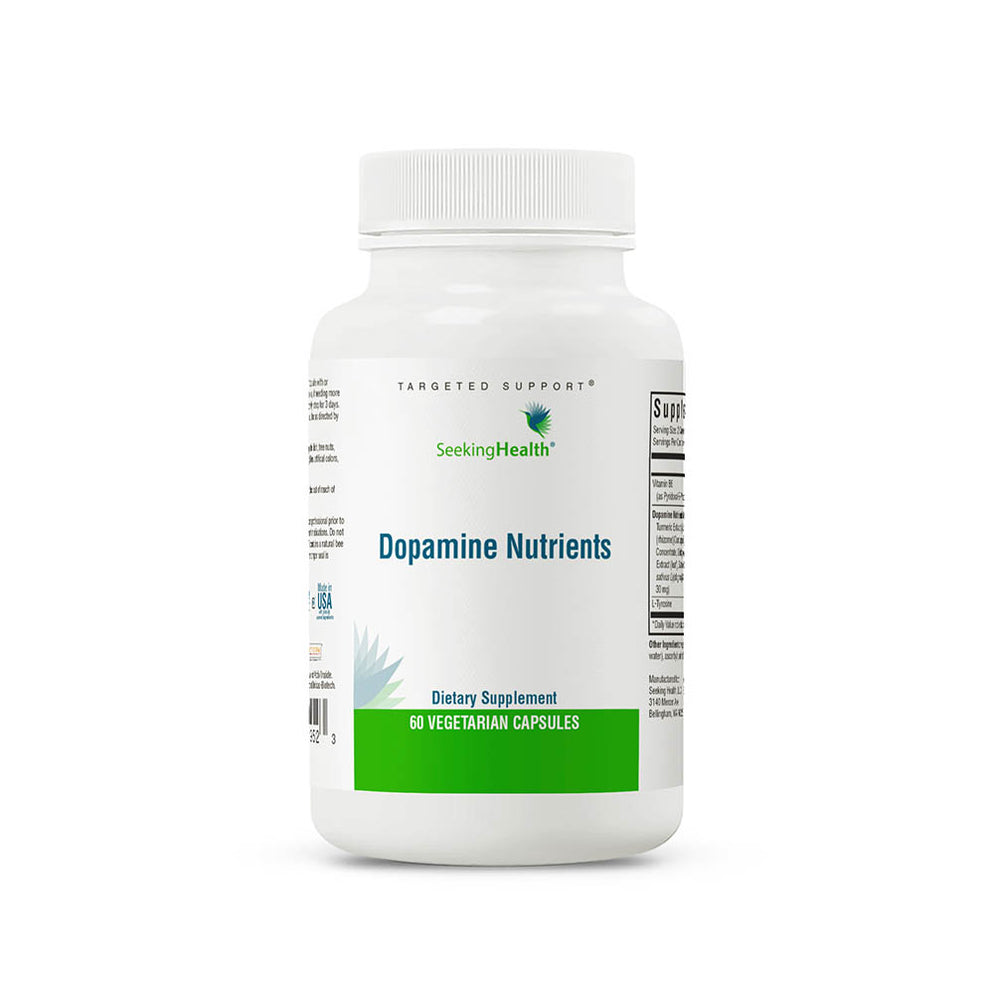
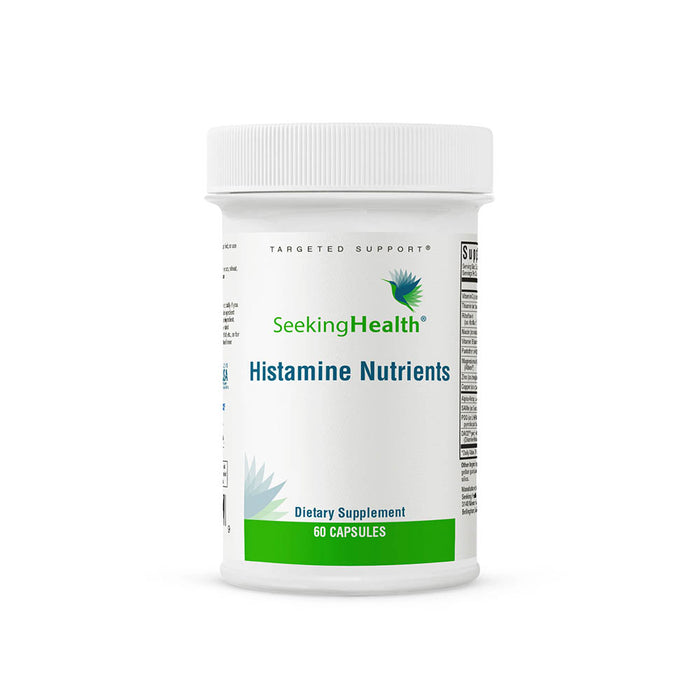
Histamine Supplements
Seeking Health has a bundle of nutrients for histamines. I do not use much of these because I do not have a huge histamine issue, but they have been very helpful.
If the several nutrients in this bundle match symptoms you have, this can be a helpful combo to invest in https://crrnt.app/SEEK/RXE2176E