
Why our cells crave variety
Imagine our cells as discerning diners who grow tired of the same meal every day. This isn’t just a metaphor, scientific research reveals that our bodies evolved to process nutrients in cycles, not constant streams, and understanding this can transform how we approach supplementation.
Our natural rhythm
Our ancestors didn’t pop the same vitamins every morning. They ate seasonally, faced periods of abundance and scarcity, and consumed nutrients in natural waves that matched what grew around them. Research shows this created sophisticated biological systems that expect and thrive on variation.
Our digestive enzymes actually rise and fall throughout the day in anticipation of meals, even if we’re fasting. Scientists discovered that nutrient transporters—the cellular “doors” that let vitamins and minerals enter our cells—follow these same rhythms. Studies on circadian rhythms and digestive regulation show that when we take the same supplement at high doses every day, we’re working against millions of years of evolution.
The cellular dinner party problem
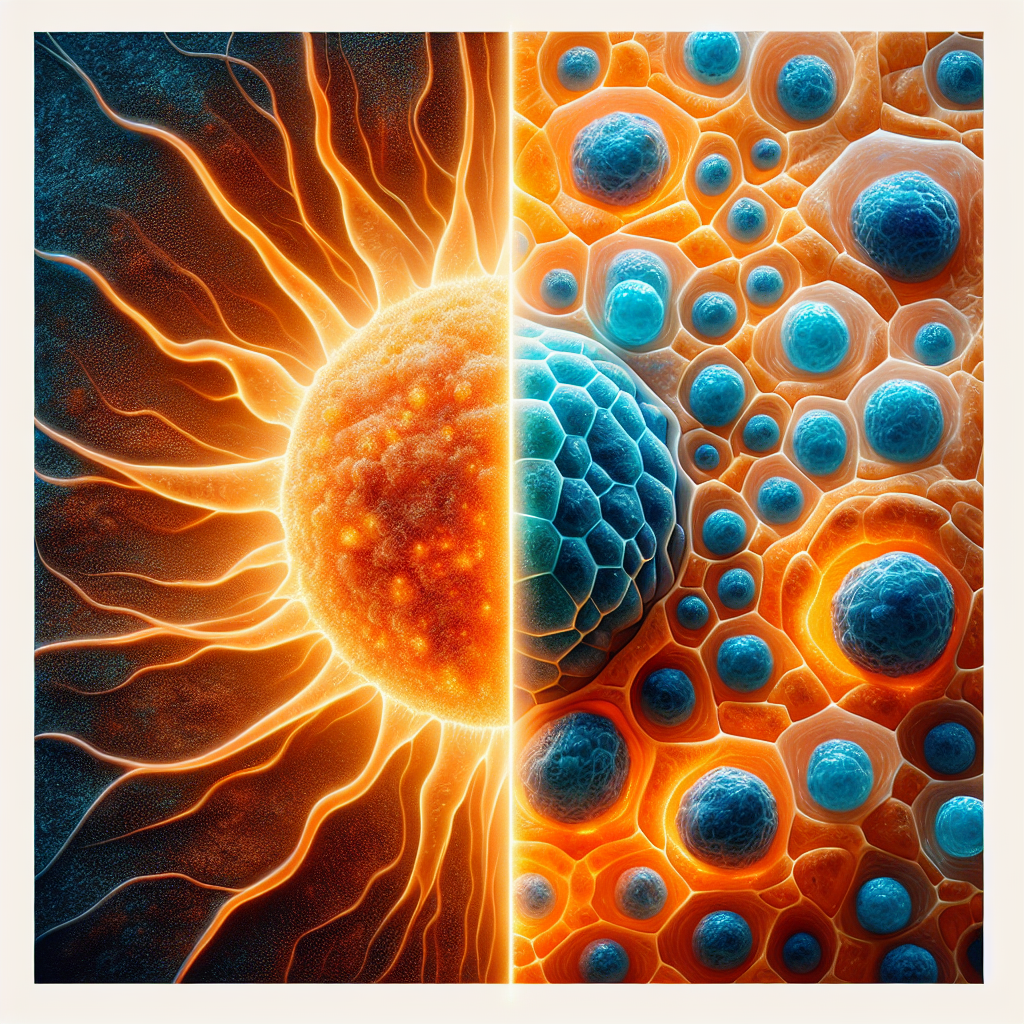
Here’s what happens at the cellular level when we take the same supplements continuously: Our cells have special receptors and transporters that act like hosts at a dinner party. When the same guests (nutrients) keep showing up in large numbers, the hosts get overwhelmed and start closing doors.
Research from BMC Systems Biology shows that cells actively downregulate these receptors when exposed to constant high nutrient levels. It’s like our taste buds adapting to spicy food—what once seemed intense barely registers anymore. This process, called receptor desensitization, can happen within hours to days.
The most dramatic example comes from iron supplementation studies. If we take iron daily, our body releases a hormone called hepcidin that blocks iron absorption for 24 hours. But if we take iron every other day, absorption increases by 40-50%. Our body literally absorbs more by receiving less frequently.
The depletion dilemma
Why might cycling matter more now than ever? Modern foods contain significantly fewer nutrients than their historical counterparts. Studies analyzing USDA data from 1950-1999 found that vegetables have lost 15-38% of key vitamins and minerals. An article in Scientific American notes that an orange today might require eating eight to match the vitamin A content our grandparents got from one.
This depletion comes from breeding crops for size and yield rather than nutrition, depleted soils, and even rising CO2 levels that dilute mineral content in plants. Recent research highlights this as one of the biggest challenges for future generations’ health. While our ancestors cycled through nutrient-rich seasonal foods, we’re trying to make up for nutrient-poor foods with constant supplementation—fighting biology on two fronts.
Working with our body’s wisdom
Research on traditional eating patterns reveals three key insights about how our bodies prefer to receive nutrients:
1. Natural timing matters: Digestive enzyme production peaks during active hours and follows circadian rhythms. Our body is literally more prepared to absorb certain nutrients at specific times.
2. Variety enhances absorption: Studies of heart failure patients found that those with the most monotonous diets had the most micronutrient deficiencies, even when consuming adequate calories. Diversity in timing and sources improves cellular uptake.
3. Recovery periods boost sensitivity: Just as muscles grow during rest days, not during exercise, our nutrient receptors can “reset” their sensitivity during breaks from supplementation.
The practical science of cycling
Here’s what the research suggests for different supplements:
Water-soluble vitamins (B-complex, C): These don’t store well in our body and have rapid turnover. Consider alternating doses or taking breaks every few weeks to maintain receptor sensitivity.
Minerals: The iron research is most definitive—alternate day dosing dramatically improves absorption. For others like magnesium or zinc, cycling prevents the competitive inhibition that occurs when the same transporters get overwhelmed. But keep in mind we’re only talking about absorption. We should only be taking iron if we cannot figure out how to support our metabolism well enough for it to support iron without needing to supplement.
Fat-soluble vitamins (A, D, E, K): These store in your body, so cycling prevents accumulation while maintaining benefits. Think seasonally—our ancestors got vitamin D from summer sun, not year-round supplements.
Therapeutic doses: High-dose supplements for specific conditions often show diminishing returns. Research suggests 12 weeks on, 4-12 weeks off for many therapeutic protocols.
Small doses, big impact
Our gut microbiome—the trillions of bacteria that help digest food—also prefers variety. These microbes produce 40-65% of your B-vitamins and enhance mineral absorption through the short-chain fatty acids they create. Constant high-dose supplementation can actually reduce microbial diversity, creating a vicious cycle where you absorb less despite taking more.
Studies consistently show that smaller, varied doses often outperform large constant doses. Why? Because your cells maintain homeostasis—a careful balance. Research on cellular transport regulation shows that when you flood the system continuously, cells protect themselves by reducing absorption and increasing excretion.
Creating your cycling strategy
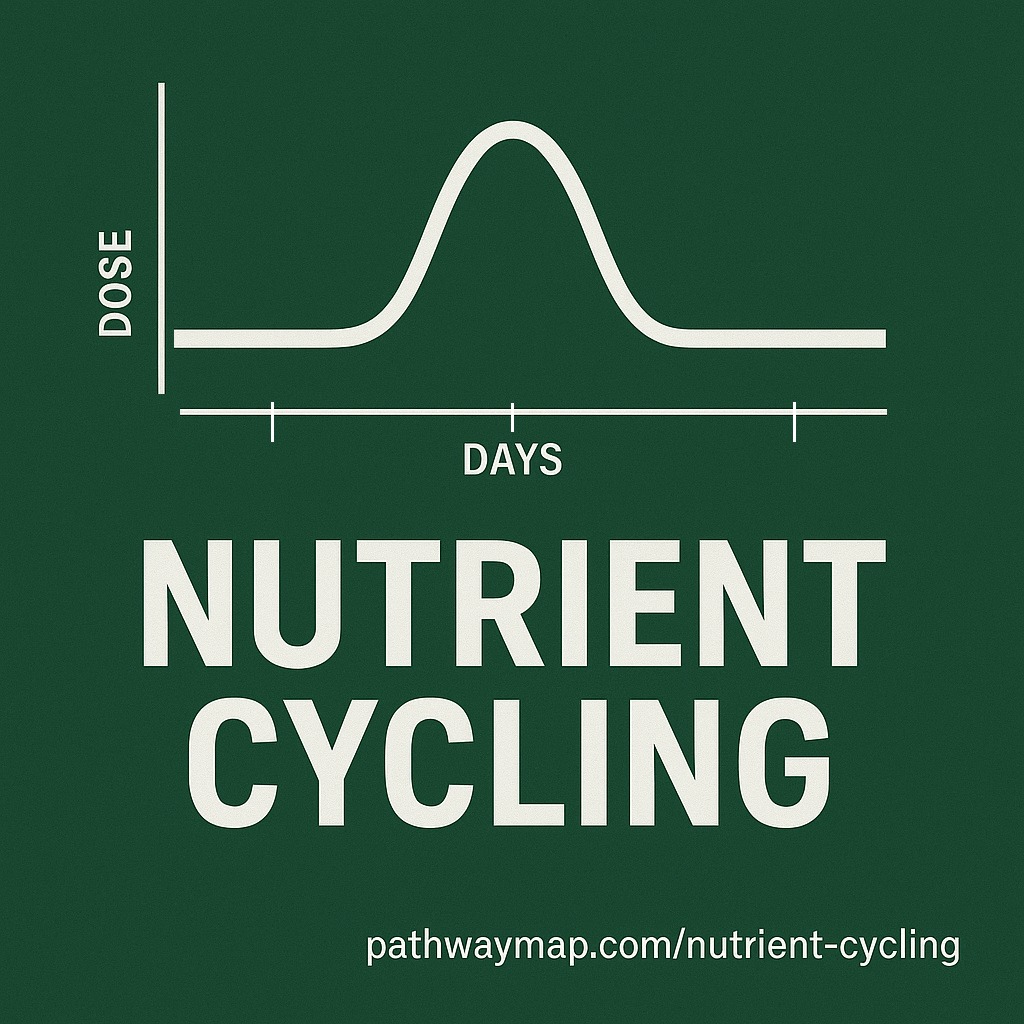
Think of supplement cycling like seasonal eating or interval training—periods of focused supplementation followed by lighter maintenance or breaks. This might mean:
- Taking certain supplements every other day instead of daily
- Using a 5-days-on, 2-days-off schedule for some nutrients
- Rotating through different supplements rather than taking everything daily
- Allowing 1-2 week breaks between bottles of therapeutic supplements
The goal isn’t to create deficiency but to maintain cellular sensitivity and work with your body’s natural rhythms. Our cells evolved to handle the ebb and flow of nutrients from varied, seasonal foods—not the constant flood of isolated compounds.
By cycling supplements like nature cycles food availability, you’re not just following a trend. You’re aligning with millions of years of evolution that shaped how your cells recognize, transport, and utilize nutrients. In a world of depleted foods and chronic health challenges, working smarter—not harder—with supplementation might be the key to actually getting those nutrients where they need to go: inside your cells, doing their job.
Looking for more?
I’ve written about this a handful of different ways