Nitric Oxide (NO)
Signaling molecule for vasodilation, immune function, and neurotransmission. Produced by NOS enzymes from arginine.
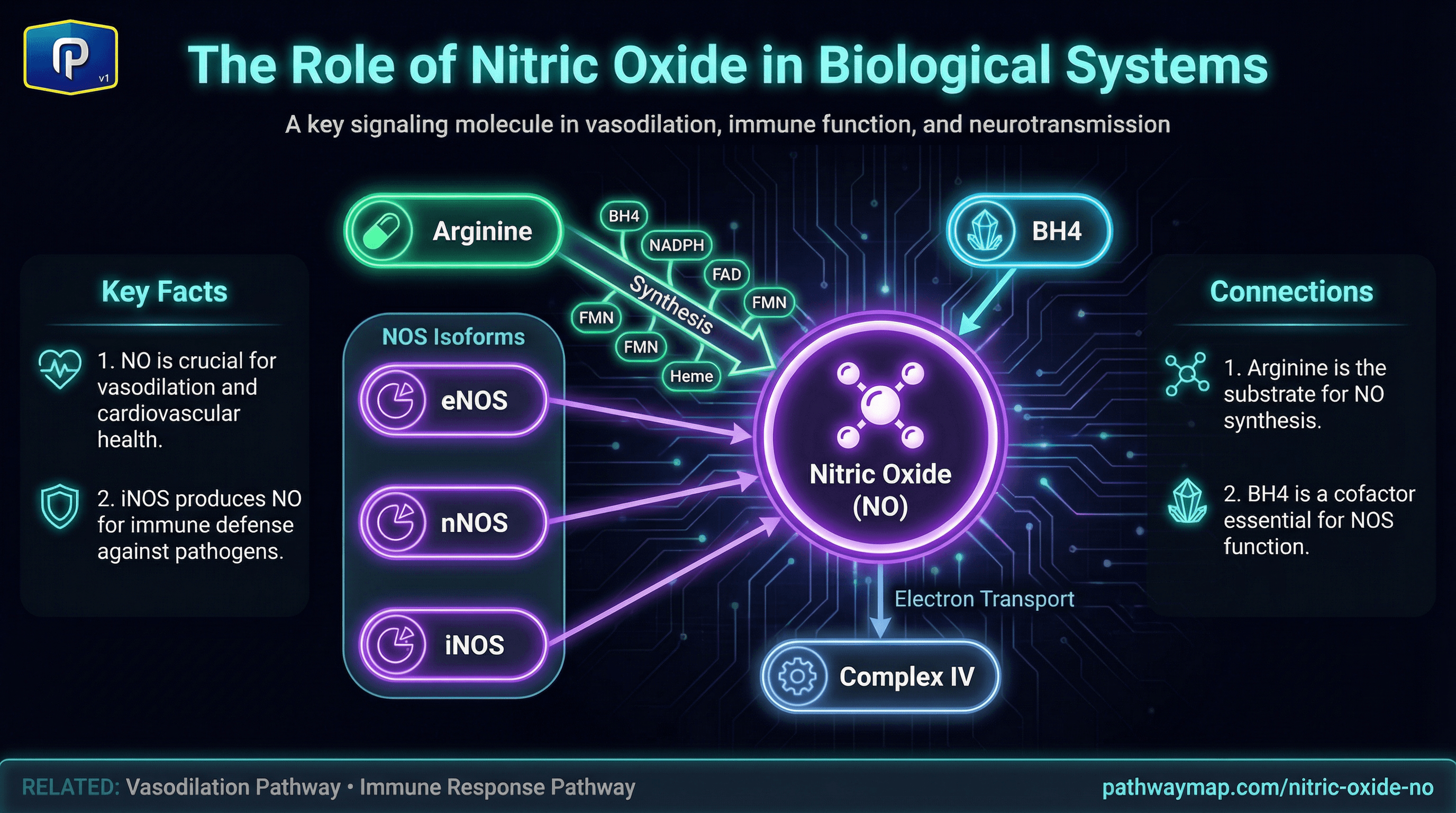
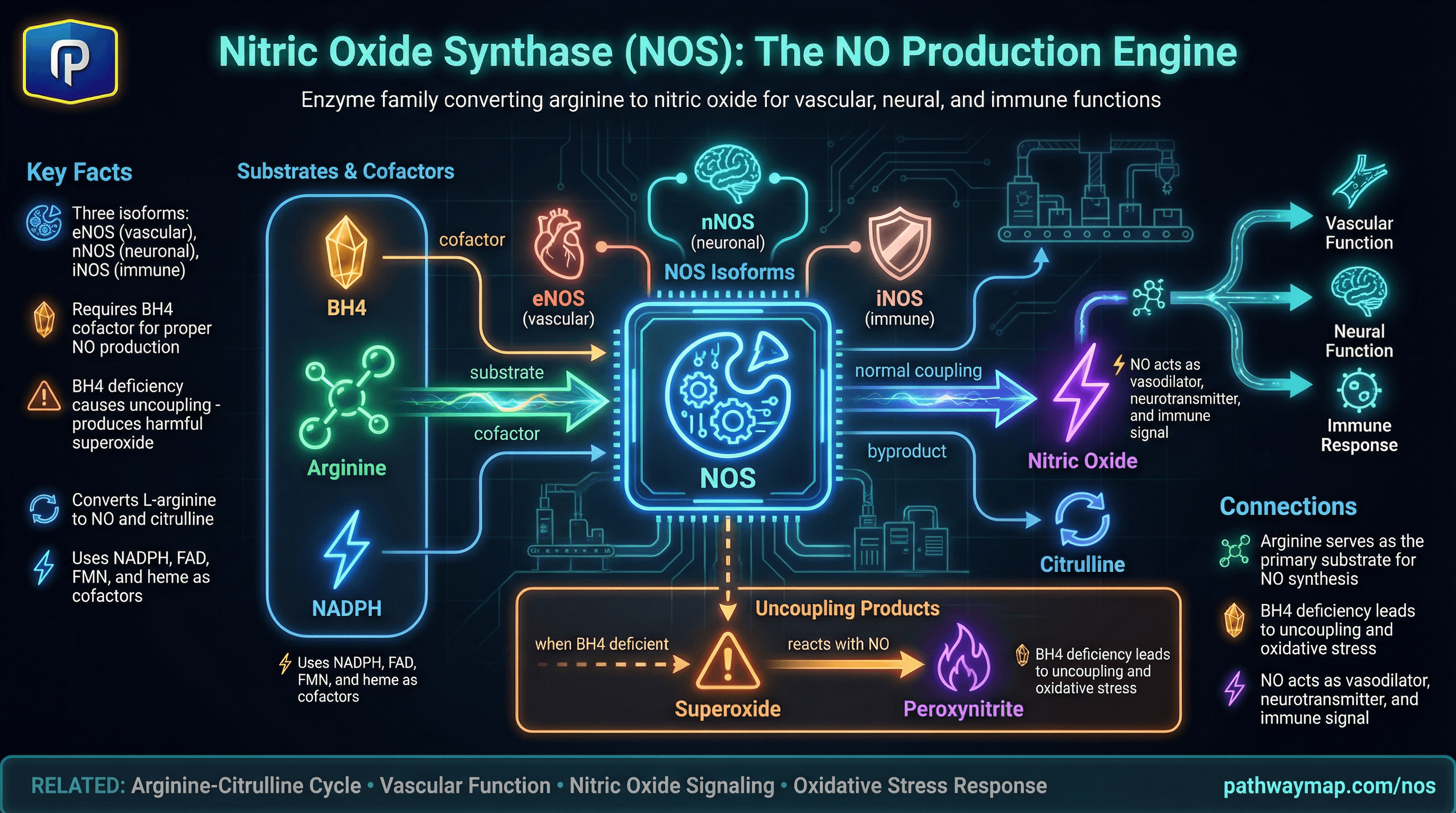
Nitric oxide (NO) is a gaseous signaling molecule produced by nitric oxide synthase (NOS) enzymes from arginine. Despite its simple structure, NO has profound effects on cardiovascular function, immune response, and neurotransmission. NOS isoforms: eNOS (endothelial) - produces NO for vasodilation; constitutive, calcium-dependent, nNOS (neuronal) - produces NO for neurotransmission; constitutive, calcium-dependent, and iNOS (inducible) - produces NO for immune defense; induced by inflammation, not calcium-dependent.
All NOS isoforms
Arginine (substrate)
BH4 (tetrahydrobiopterin
cofactor)
NADPH
FAD
FMN
Heme.
When BH4 is deficient, NOS becomes 'uncoupled' and produces superoxide instead of NO. Cardiovascular effects: Relaxes blood vessel smooth muscle (vasodilation), Inhibits platelet aggregation, and Reduces vascular inflammation. Erectile dysfunction involves impaired NO signaling.
NO and exercise: Exercise increases eNOS expression and NO production, contributing to cardiovascular benefits. This is why exercise lowers blood pressure. NO in immune defense: iNOS produces large amounts of NO to kill pathogens. This is a double-edged sword - helpful against infections but can cause tissue damage in chronic inflammation.
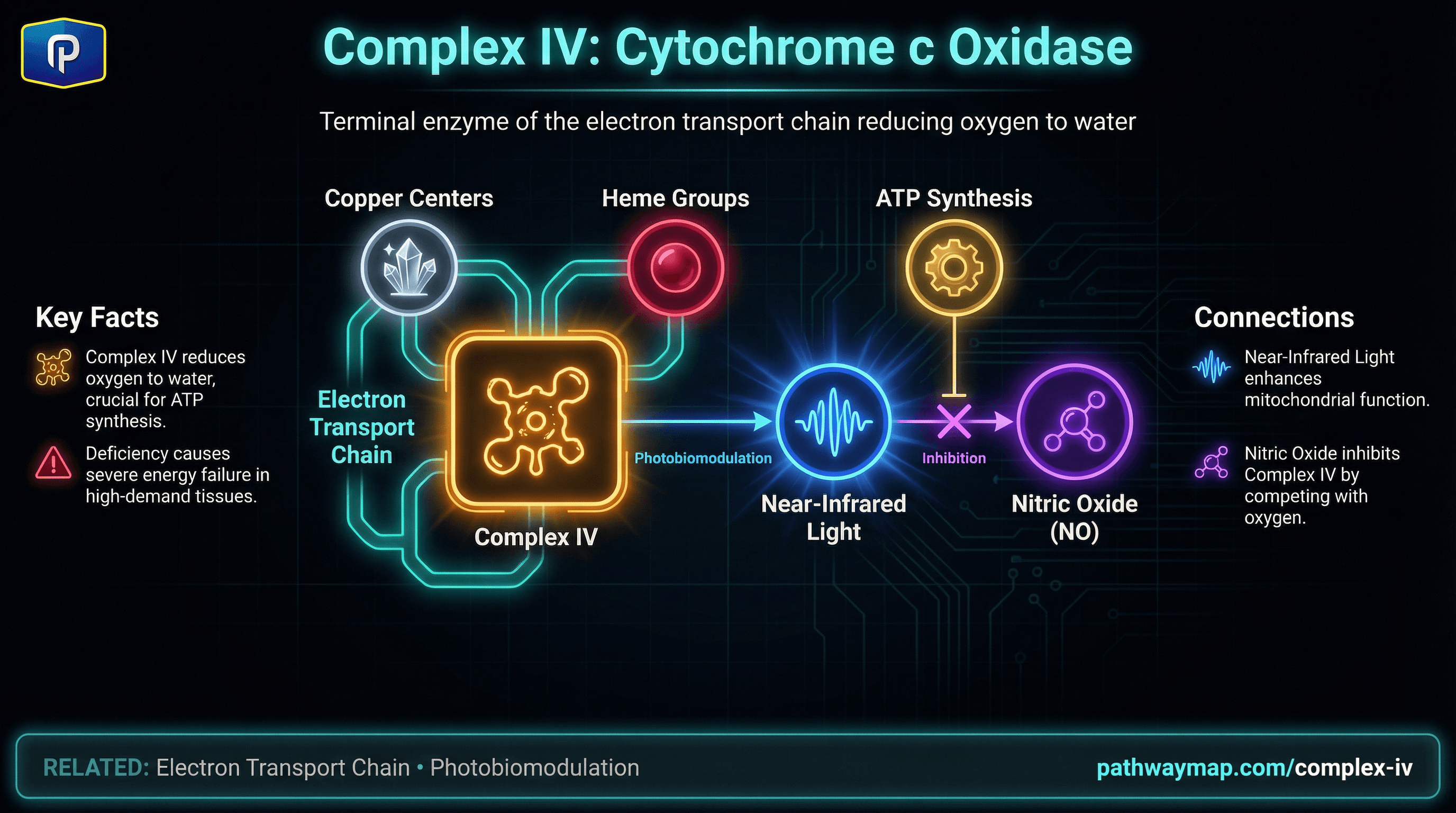
Supporting NO production: Arginine and citrulline (substrates), BH4 support (folate, vitamin C, avoiding oxidative stress), Beetroot juice (dietary nitrates convert to NO), Sunlight (releases NO from skin stores), and Exercise. NO is rapidly inactivated by reaction with hemoglobin and superoxide, so local production and availability are key.
Metabolic Connections
Nitric Oxide (NO) connects to 10 other pathways.
Amino Acids
Arginine
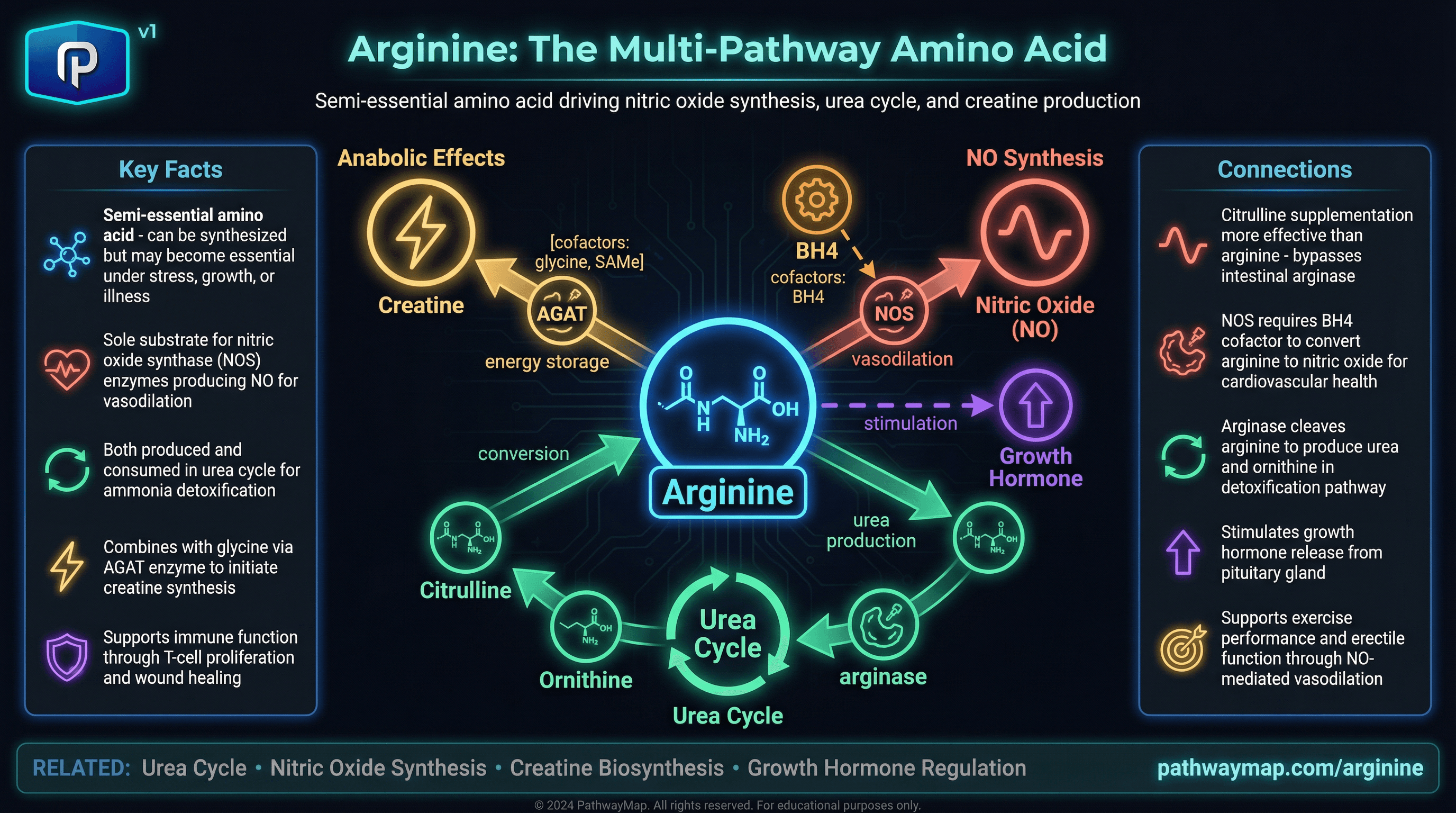
Nitric oxide is synthesized from arginine by nitric oxide synthase (NOS)
Semi-essential amino acid critical for nitric oxide synthesis, urea cycle function, and creatine production.
Arginine
Arginine is the sole substrate for nitric oxide synthase (NOS) to produce nitric oxide
Semi-essential amino acid critical for nitric oxide synthesis, urea cycle function, and creatine production.
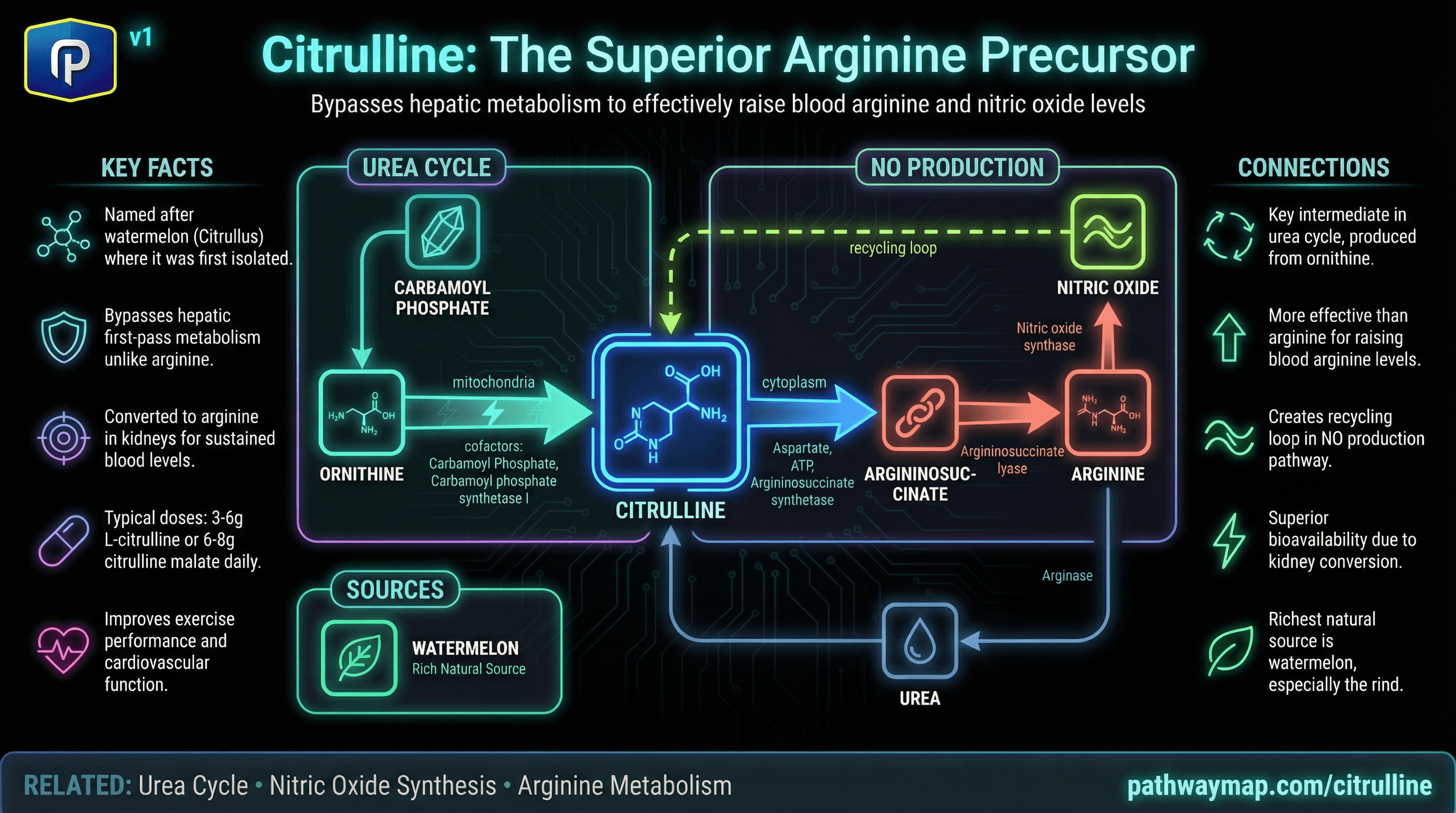
Citrulline
Citrulline supports nitric oxide production by providing arginine substrate
Amino acid that raises arginine levels more effectively than arginine. Supports nitric oxide production and blood flow.
Cofactors
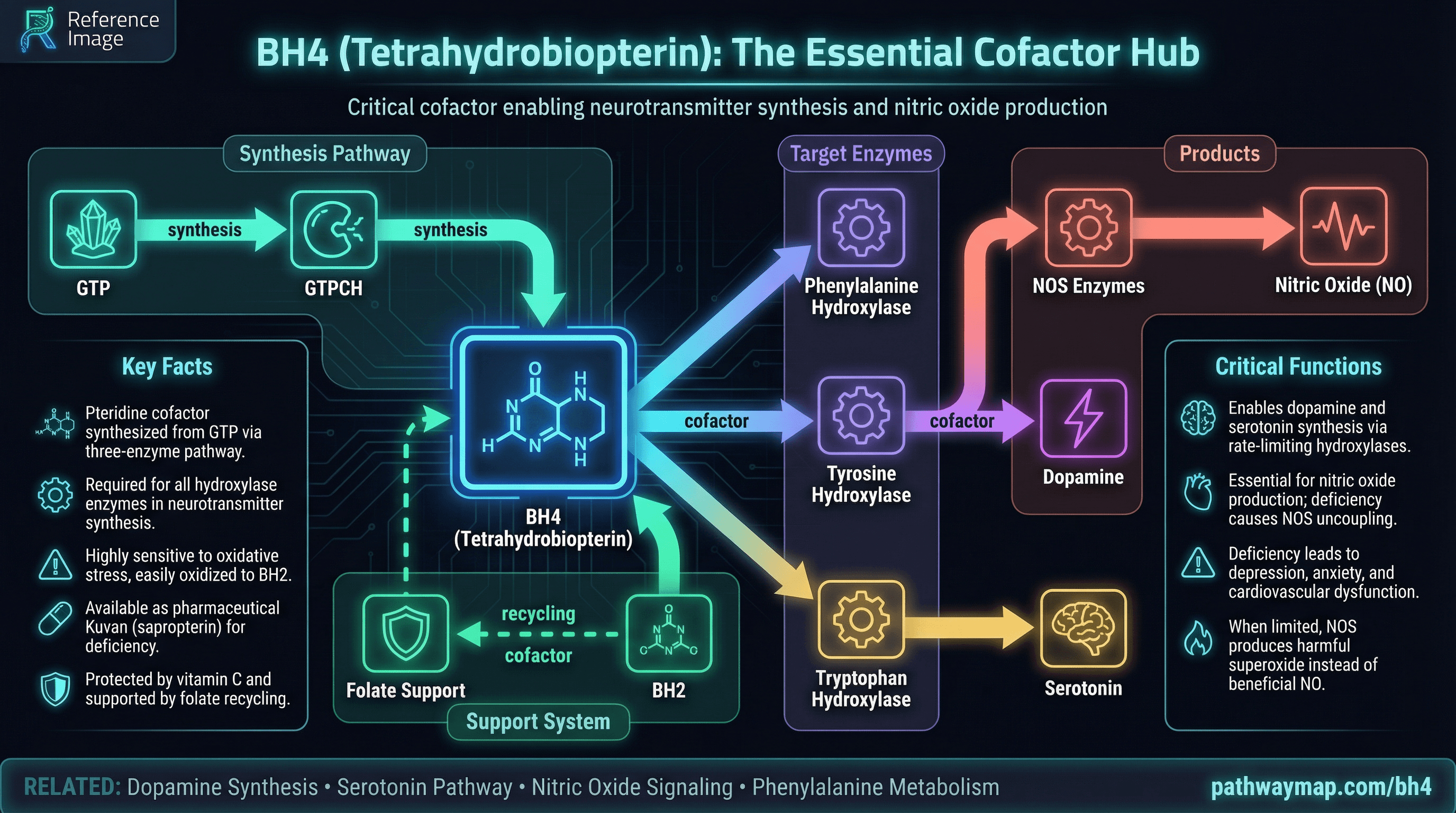
BH4
BH4 is an essential cofactor for NOS; deficiency causes NOS uncoupling
Tetrahydrobiopterin - essential cofactor for neurotransmitter synthesis and nitric oxide production.
BH4
BH4 is an essential cofactor for nitric oxide synthase; deficiency causes NOS uncoupling
Tetrahydrobiopterin - essential cofactor for neurotransmitter synthesis and nitric oxide production.
Symptoms
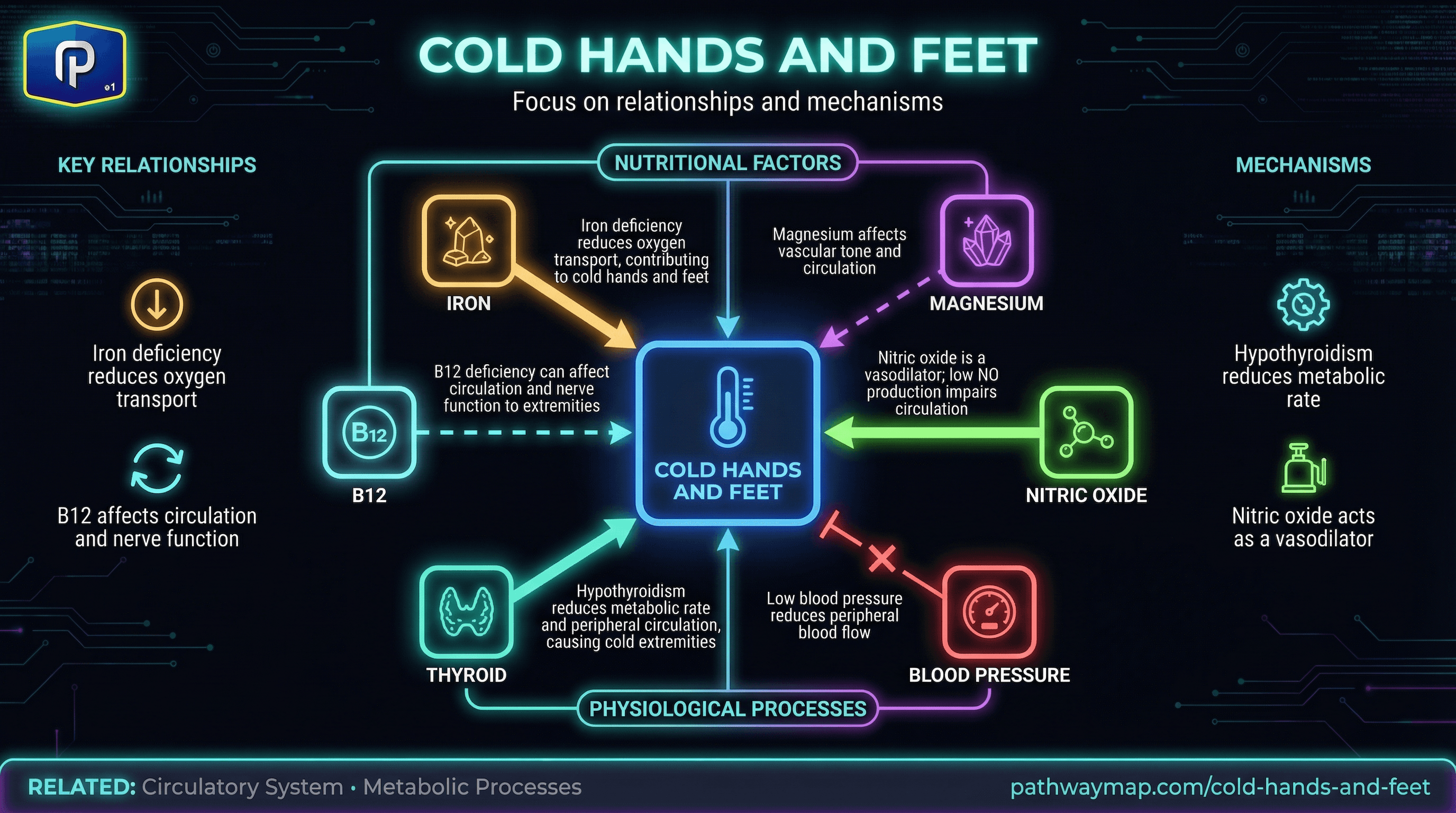
Cold Hands and Feet
Nitric oxide is a vasodilator; low NO production impairs circulation
Poor peripheral circulation causing cold extremities; can indicate thyroid dysfunction, iron deficiency, or autonomic issues.
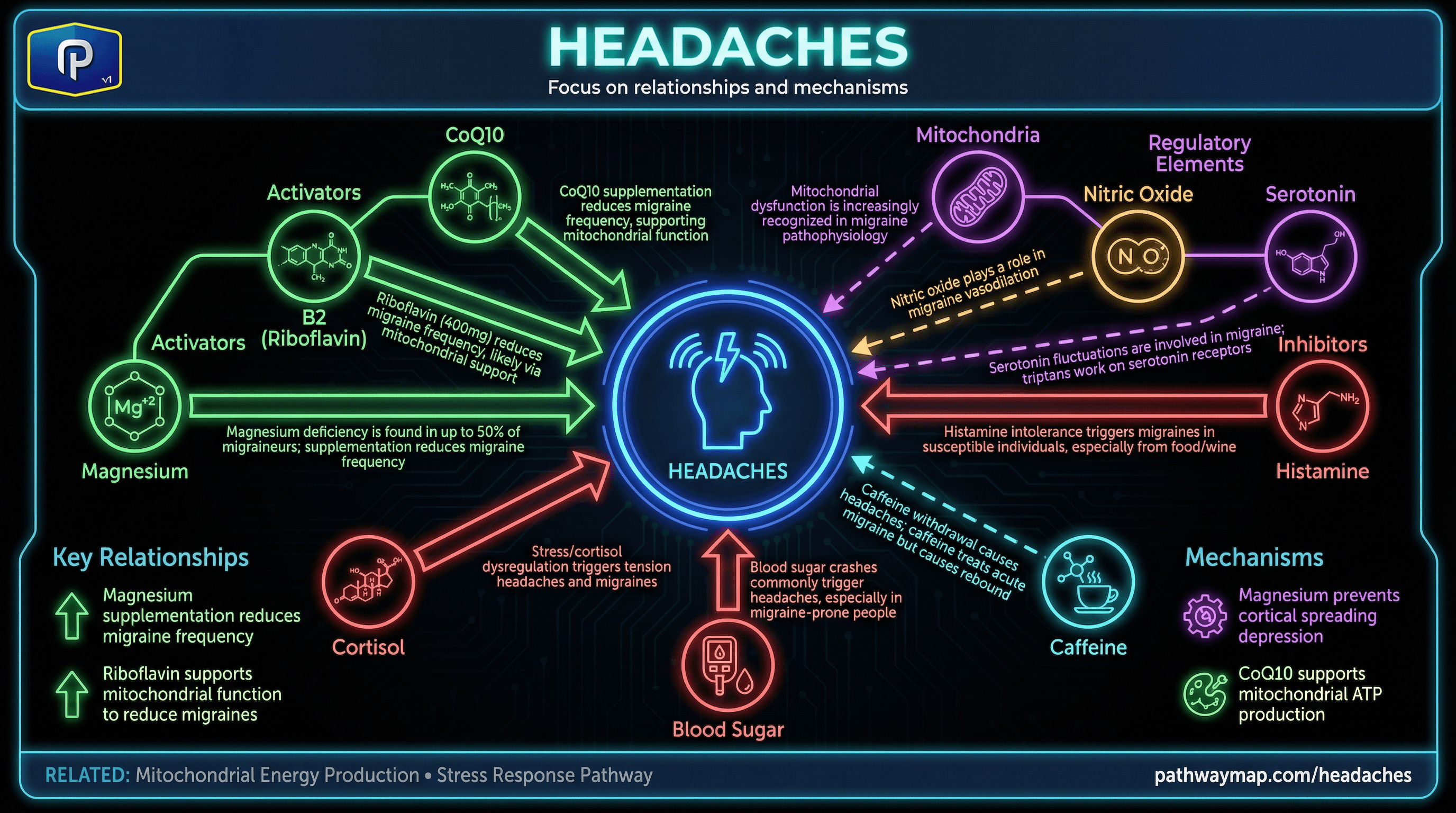
Headaches
Nitric oxide plays a role in migraine vasodilation
Head pain with many types and causes; migraines often involve magnesium deficiency, histamine, or mitochondrial dysfunction.