
Mast Cell Activation Syndrome (MCAS) represents a complex regulatory network failure rather than simple nutritional deficiencies, according to extensive peer-reviewed research spanning systems biology, cellular metabolism, and clinical studies. This comprehensive analysis reveals how MCAS creates self-reinforcing pathological cycles through disrupted sunlight signaling, mineral sequestration, methylation dysfunction, bile acid metabolism, and persistent cellular danger responses – explaining why standard supplementation approaches frequently fail or cause paradoxical reactions.
Sunlight’s regulatory control extends far beyond vitamin D synthesis
Research demonstrates that ultraviolet radiation directly modulates mast cell behavior through multiple vitamin D-independent mechanisms. Narrowband UVB phototherapy significantly reduced pruritus in cutaneous mastocytosis patients (Brazzelli et al., 2016), while PUVA therapy suppressed mast cell degranulation by 42-48% in experimental models (Danno et al., 1986). These effects occur through direct membrane stabilization rather than vitamin D production.
Perhaps more significantly, mast cells express robust circadian clock genes including BMAL1, CLOCK, and Period genes that oscillate independently and regulate IgE-dependent inflammatory responses. Wang et al. (2011) demonstrated that mPer2 and Rev-erbα peaked at specific circadian phases, directly affecting IL-13 and IL-6 expression patterns in synchronized mast cells. This circadian machinery controls FcεRI receptor expression – the primary mechanism for allergic mast cell activation – creating time-of-day variation in reactivity that light exposure can phase-shift.
The melatonin-mast cell axis provides another crucial regulatory pathway. Mast cells express both MT1 and MT2 melatonin receptors and can synthesize melatonin independently of the pineal gland. Pham et al. (2021) established that melatonin pretreatment reduces mast cell degranulation by 18-38% in a dose-dependent manner. Evening blue light exposure, prevalent in modern environments, suppresses melatonin production and potentially dysregulates this stabilizing influence on mast cells. Additionally, vitamin D receptor resistance commonly develops in inflammatory conditions, where chronic inflammation disrupts normal vitamin D signaling despite adequate serum levels – a phenomenon particularly relevant to MCAS patients who often show vitamin D deficiency despite supplementation.
Inflammation creates functional mineral deficiency through sophisticated sequestration mechanisms
MCAS-driven inflammation fundamentally alters mineral metabolism through multiple coordinated mechanisms that trap essential minerals despite normal or elevated serum levels. Ceruloplasmin, though elevated as an acute-phase protein during inflammation, paradoxically creates functional copper deficiency by forming apo-ceruloplasmin (copper-depleted) with a shortened half-life of 5-6 hours versus several days for the functional holo-form.
The hepcidin-ferroportin axis represents another critical sequestration pathway. IL-6 from activated mast cells drives hepatic hepcidin production via JAK/STAT3 signaling, causing ferroportin internalization and degradation. This traps iron within macrophages and hepatocytes, creating the seemingly paradoxical situation of elevated ferritin with functional iron deficiency – observed in 18% of MCAS patients. Simultaneously, TNF-α and other inflammatory cytokines upregulate DMT1 (divalent metal transporter) expression, increasing cellular iron uptake while blocking export, essentially creating intracellular iron overload with systemic restriction.
Metallothionein overexpression during inflammation creates a particularly problematic mineral trap. These proteins have 10-fold higher affinity for copper than zinc, and their inflammatory upregulation via IL-6 and TNF-α creates intracellular sequestration of both minerals. This explains why zinc supplementation can worsen copper deficiency in inflammatory states and why intracellular nutrient testing reveals deficiencies in 30% of patients with normal serum levels. Standard supplementation fails because inflammation blocks absorption through hepcidin elevation, traps absorbed minerals via metallothionein, and disrupts normal transporter function – requiring anti-inflammatory intervention before mineral repletion becomes possible.
Methylation dysfunction creates a histamine clearance crisis
The relationship between methylation and MCAS centers on histamine N-methyltransferase (HNMT), which absolutely requires S-adenosylmethionine (SAMe) to degrade histamine. This represents the only pathway for histamine clearance in the central nervous system, where diamine oxidase (DAO) is absent. HNMT polymorphisms, particularly C314T, can reduce enzyme activity by 30-50%, directly impairing histamine clearance and contributing to symptom severity.
Paradoxically, MCAS patients frequently experience worsening symptoms with methylated vitamins despite theoretical benefits. Dr. Tania Dempsey observes that while non-MCAS patients tolerate methylcobalamin and methylfolate well, MCAS patients often develop overmethylation reactions including anxiety, insomnia, rapid heartbeat, and increased mast cell activation. This occurs through a “funnel effect” where methyl donors enter faster than downstream clearance pathways can process, particularly problematic in patients with slow COMT variants who clear catecholamines inefficiently.
Research supports using unmethylated forms: hydroxocobalamin provides self-regulating B12 that the body converts as needed, with 28-day retention versus shorter duration for other forms. A 2023 Greek study found folinic acid caused higher serum folate increases than methylfolate, particularly benefiting those with MTHFR 677CT genotype. Folinic acid bypasses MTHFR through alternative pathways while avoiding overmethylation reactions. The methylation trap phenomenon, where B12 deficiency causes folate to become “trapped” as 5-methylfolate, further complicates supplementation – one documented case showed 94.5% of red blood cell folate trapped until B12 correction. P5P supports DAO function for gut histamine clearance but requires careful dosing as high concentrations can paradoxically inhibit the enzyme through cyclic compound formation.
Bile acid dysfunction creates a vicious mast cell activation cycle
Secondary bile acids directly trigger mast cell degranulation through mechanisms independent of IgE-mediated pathways. Quist et al.’s seminal 1991 study demonstrated that deoxycholic acid (DCA) causes dose-dependent histamine release at 0.3 mmol/L, well below critical micellization concentration, with effects correlating strongly with bile acid lipophilicity. This creates a particularly problematic situation in small intestinal bacterial overgrowth (SIBO), where bacterial bile salt hydrolase enzymes prematurely deconjugate bile acids, increasing secondary bile acid production.
The bile-SIBO-MCAS connection forms a self-reinforcing pathological cycle. SIBO disrupts normal bile acid metabolism through premature deconjugation and 7α-dehydroxylase conversion to secondary bile acids. These lipophilic secondary bile acids directly activate mast cells, which release mediators that compromise intestinal motility and barrier function, perpetuating bacterial overgrowth. Up to 30% of functional diarrhea patients may have undiagnosed bile acid malabsorption, which maintains this cycle through accumulated secondary bile acids.
Conversely, hydrophilic bile acids demonstrate mast cell stabilizing properties. UDCA (ursodeoxycholic acid) shows virtually no mast cell activating activity and actually reduces mast cell numbers and histamine release through ASBT and FXRβ pathways. TUDCA provides even more potent stabilization through mitochondrial membrane stabilization and ER stress reduction, with studies showing 50% reduction in DCA-induced cell death. FXR and TGR5 receptor activation by bile acids provides anti-inflammatory signaling, with FXR physically interacting with NLRP3 inflammasome for negative regulation. Phosphatidylcholine plays a critical protective role by forming mixed micelles with bile salts, reducing their cytotoxic potential – pretreatment prevented bile-induced mast cell degranulation in experimental studies.
Cell Danger Response theory explains MCAS treatment resistance
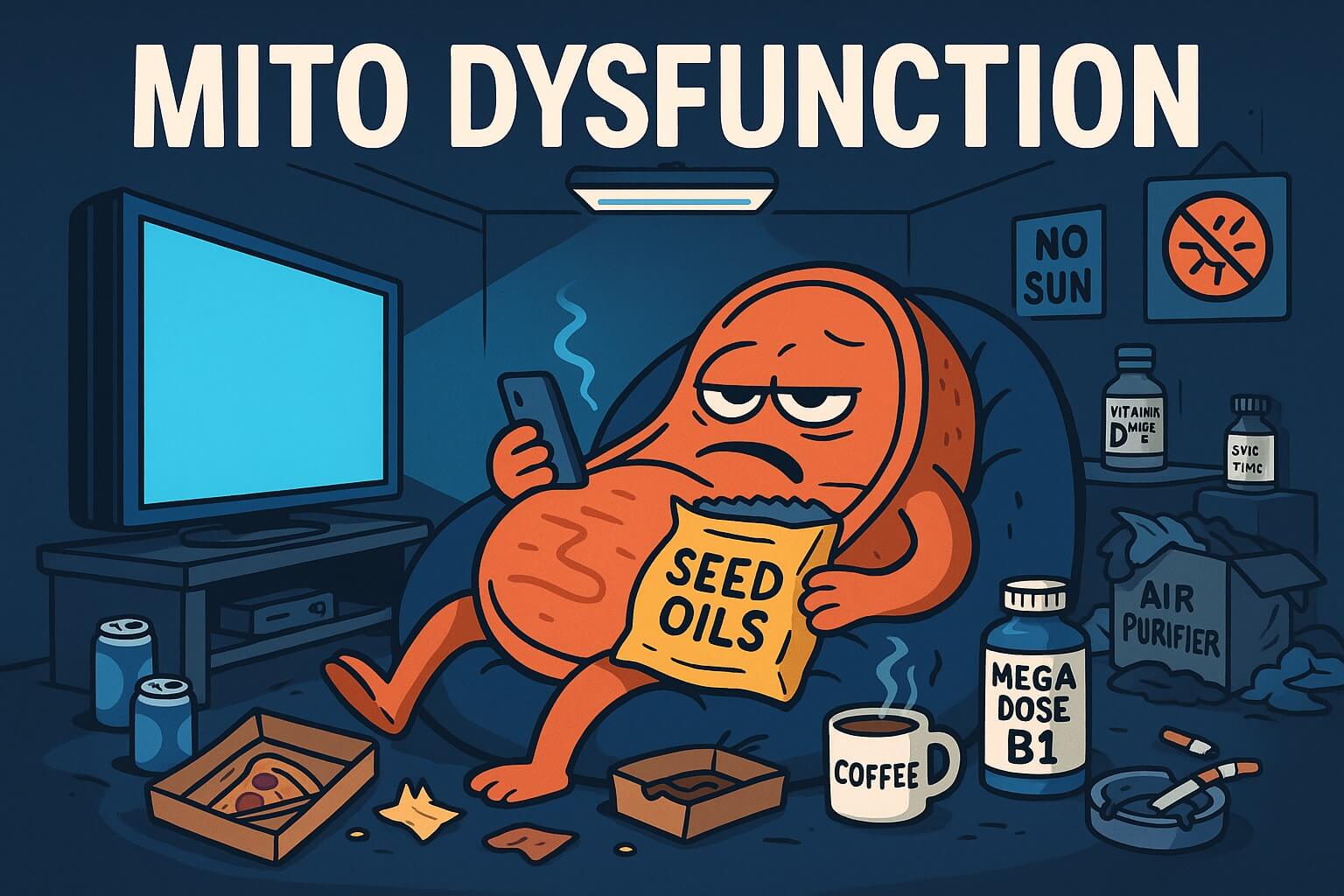
Dr. Robert Naviaux’s Cell Danger Response (CDR) theory, published extensively in Mitochondrion journal, provides a unifying framework for understanding MCAS pathophysiology. The CDR represents an evolutionarily conserved metabolic response operating through three distinct phases: CDR1 (inflammation/containment), CDR2 (proliferation/repair), and CDR3 (differentiation/resolution). MCAS appears to involve getting “stuck” in CDR1, maintaining persistent inflammatory and hypervigilant characteristics.
Central to this process is purinergic signaling, where extracellular ATP serves as the primary danger signal. Research confirms ATP triggers mast cell degranulation via P2X7 receptors at concentrations of 1-10 μM, with mast cells storing and releasing ATP to create autocrine/paracrine activation loops. This creates a state of persistent threat detection where metabolic memory of past stressors is stored as altered mitochondrial and cellular macromolecule content.
The CDR induces metabolic inflexibility, with cells persistently shifted toward glycolysis away from efficient oxidative phosphorylation despite high energy demands. This metabolic dysfunction directly impacts mast cells, which show mitochondrial fragmentation during activation. Studies demonstrate that 42% of POTS patients had elevated markers suggesting mast cell activation, highlighting the overlap between CDR-induced autonomic dysfunction and MCAS. Mast cells positioned near autonomic nerve fibers in the carotid bodies, heart, hypothalamus, and adrenal glands create bidirectional regulation between the nervous and immune systems.
Mitochondrial dysfunction both triggers and perpetuates mast cell activation. Stimulated mast cells secrete mitochondrial components that have autocrine and paracrine inflammatory actions, while mitochondrial-targeted drugs can prevent degranulation. The CDR framework explains why symptom management often fails – the underlying cellular defense state remains active regardless of mediator blockade.
Systems biology reveals why simple supplementation fails
MCAS represents dysfunction of complex regulatory networks rather than isolated deficiencies, as demonstrated by leading researchers Afrin and Molderings. Mast cells release over 390 different mediators, creating vast communication networks that affect “potentially every organ system”. Molderings describes MCAS prevalence at 17-20%, with the condition potentially rooted in “transgenerationally transmittable epigenetic disease” affecting multiple regulatory pathways simultaneously.
Multi-omics studies reveal mast cells as a “unique lineage within the immune system” with extensive neuroimmune interactions. Single-cell transcriptomics demonstrates remarkable mast cell diversity beyond classical protease-based classifications. This heterogeneity explains why “no two patients look alike” – each individual has unique network configurations requiring personalized approaches.
Paradoxical supplement reactions occur through multiple mechanisms. Detoxification circuit overload means supplements “add to the toxic load” when liver pathways are compromised. Inflammatory feedback loops create compensatory responses that counteract intended benefits. Many supplements trigger degranulation through non-IgE pathways including MRGPRX2 receptor activation. The robustness paradox of biological networks means they’re simultaneously resistant to standard treatments while hypersensitive to minor triggers.
Successful intervention requires network-based approaches targeting multiple pathways simultaneously rather than single nutrients. This involves “mechanism-based diagnostics and therapeutics” using multi-omics integration of genomics, transcriptomics, proteomics, and metabolomics data. Machine learning approaches can reveal “previously missed underlying mechanisms” and identify patient subgroups with distinct network characteristics.
Conclusion: integrated approaches for interconnected dysfunction
This comprehensive research demonstrates that MCAS represents a state of persistent cellular danger response with disrupted regulatory networks affecting multiple interconnected systems. The failure of standard supplementation reflects the complexity of these interactions – mineral sequestration prevents utilization despite supplementation, methylation support can paradoxically worsen symptoms through overmethylation, and isolated interventions trigger compensatory network responses. Effective treatment requires addressing the underlying CDR persistence through mitochondrial support, purinergic modulation, and restoration of normal circadian rhythms while simultaneously targeting bile acid metabolism, reducing inflammatory sequestration mechanisms, and supporting methylation pathways with appropriate unmethylated precursors. Only through understanding MCAS as an interconnected system dysfunction rather than simple deficiency can therapeutic approaches move beyond symptom management to address root pathophysiology.