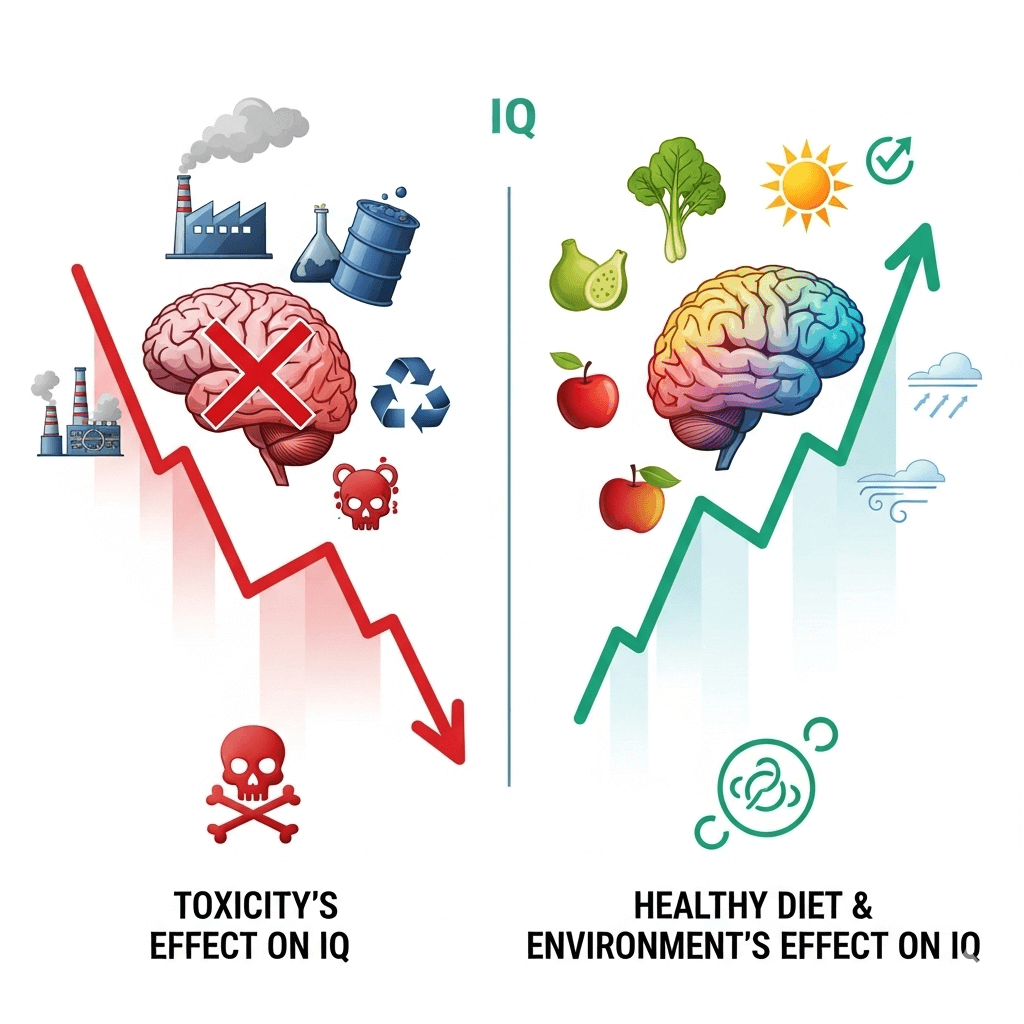

Melatonin dependency develops not from a simple deficiency, but from cascading failures across multiple interconnected metabolic systems. The body’s natural melatonin synthesis requires a complex orchestra of enzymes, cofactors, cellular energy, and circadian signaling—and disruption at any point can force reliance on external supplementation. Research reveals that toxic exposures (particularly mercury), mineral imbalances, impaired bile flow, and pineal gland calcification create a cascade where dysfunction in one system triggers failure in others, ultimately breaking the pathway that should naturally produce melatonin from sunlight and nutrients. Most critically, supplementation bypasses rather than repairs these underlying breakdowns, leaving root causes unaddressed while the system continues deteriorating.
The complete biochemical pathway from sunlight to melatonin involves four enzymatic steps, each requiring specific cofactors that depend on proper digestion, absorption, detoxification, and cellular energy production. When mercury toxicity depletes glutathione and blocks bile production, fat-soluble vitamins cannot be absorbed. When copper deficiency impairs mitochondrial function, ATP becomes unavailable for synthesis. When pineal calcification physically damages melatonin-producing cells, no amount of cofactor optimization can restore production. Understanding these interconnections reveals why isolated interventions often fail and why comprehensive root cause approaches offer superior long-term outcomes.
The complete melatonin synthesis pathway and its vulnerabilities
The journey from dietary tryptophan to nighttime melatonin requires four sequential enzymatic reactions, each representing a potential failure point. Tryptophan hydroxylase (TPH) first converts tryptophan to 5-hydroxytryptophan (5-HTP), requiring tetrahydrobiopterin (BH4), nonheme iron, and molecular oxygen. This rate-limiting step for serotonin biosynthesis determines maximum flux through the entire pathway. The enzyme operates below saturation under normal conditions, meaning dietary tryptophan availability directly influences output.
Aromatic L-amino acid decarboxylase (AADC) then converts 5-HTP to serotonin, absolutely requiring pyridoxal-5′-phosphate (active vitamin B6). Without adequate B6, this step fails completely—the enzyme forms a Schiff base with the substrate that cannot proceed without the cofactor. During daylight hours, serotonin accumulates and functions as a neurotransmitter. At night, when darkness triggers norepinephrine release from sympathetic nerves to the pineal gland, everything changes.
Norepinephrine activates β1-adrenergic receptors on pinealocytes, increasing cyclic AMP and activating protein kinase A (PKA). PKA phosphorylates arylalkylamine N-acetyltransferase (AANAT), stabilizing it with 14-3-3 proteins and increasing activity 10-100 fold within hours. AANAT acetylates serotonin using acetyl-CoA (derived from glucose metabolism, fatty acid oxidation, or ketone bodies) to form N-acetylserotonin. This step links melatonin synthesis directly to metabolic status and cellular energy production. Finally, hydroxyindole-O-methyltransferase (HIOMT/ASMT) methylates N-acetylserotonin using S-adenosylmethionine (SAMe) as the methyl donor, producing melatonin.
Recent evidence suggests HIOMT is the true rate-limiting enzyme at night, not AANAT as traditionally believed. N-acetylserotonin accumulates in molar excess over melatonin during peak production, and rats with 10-fold reduced AANAT activity maintain normal melatonin levels. Autism patients with low melatonin have HIOMT mutations, not AANAT defects. This finding is critical because SAMe availability becomes the ultimate bottleneck—and SAMe production depends on an intact methylation cycle requiring methionine, ATP, vitamin B12, folate, and vitamin B2. Any disruption to methylation profoundly impacts the final step of melatonin synthesis.
How bile flow connects to brain neurochemistry through multiple pathways
The liver’s role in producing bile creates an unexpected but crucial link to melatonin synthesis through multiple interconnected mechanisms. Bile acids and neurosteroids share cholesterol as their common precursor, creating metabolic competition. The liver converts 400-600 mg cholesterol daily into bile acids via CYP7A1 (classical pathway) and CYP27A1 (alternative pathway), the same cholesterol pool that serves as substrate for steroid hormones and neurosteroids that modulate neurotransmitter synthesis and pineal function.
Beyond this shared precursor, bile acids themselves function as neuromodulators. Twenty different bile acids have been identified in the central nervous system, crossing the blood-brain barrier and directly affecting neurotransmitter receptors. Bile acids modulate GABA-A receptors, muscarinic acetylcholine receptors, and NMDA receptors. They influence serotonergic neurotransmission—the direct precursor pathway to melatonin. Secondary bile acids produced by gut bacteria signal to the CNS via multiple routes: the FXR-FGF15/19 pathway, TGR5-GLP-1 pathway, and direct receptor activation on microglia and neurons. These receptors modulate neuroinflammation, affecting the cellular environment for neurotransmitter synthesis.
The most critical connection involves fat-soluble nutrient absorption. Bile acids form micelles in the small intestine that are absolutely essential for absorbing vitamins A, D, E, and K. Approximately 95% of bile acids are reabsorbed via enterohepatic circulation; disruption impairs vitamin absorption catastrophically. Vitamin D shows particular importance—it has an inverse circadian relationship with melatonin (D synthesis during day, melatonin at night) and vitamin D deficiency is associated with sleep disorders and impaired melatonin secretion. Vitamin E protects neuronal membranes and pineal gland function against oxidative stress. Vitamin A is essential for retinal photoreception that provides light input to the suprachiasmatic nucleus regulating pineal melatonin synthesis.
When bile flow becomes impaired through cholestasis, the consequences cascade. Cholestasis disrupts ALL neurotransmitter systems—opioidergic, dopaminergic, cholinergic, GABAergic, adrenergic, serotonergic, and glutamatergic. Alterations in serotonergic neurotransmission directly impact melatonin synthesis since serotonin is the immediate precursor. Chronic cholestasis causes clinical deficiencies of vitamins A, D, E, and K, leading to peripheral neuropathy, cerebellar ataxia, retinal degeneration, and cognitive impairment. Prolonged cholestasis in children associates with the poorest cognitive outcomes even after liver transplantation, demonstrating the irreversible neurological damage from sustained bile flow disruption.
The methylation connection completes the circuit. Liver detoxification pathways compete with neurotransmitter synthesis for SAMe, the universal methyl donor. Phase II conjugation reactions use SAMe for methylation of toxins, while the final step of melatonin synthesis requires SAMe to methylate N-acetylserotonin. High toxic burden reduces the methylation capacity available for optimal neurotransmitter metabolism. Additionally, the liver metabolizes peripheral serotonin via monoamine oxidase; impaired hepatic function alters serotonin clearance and changes tryptophan availability for brain uptake through complex effects on amino acid ratios and blood-brain barrier transport.
Mercury’s eight-pathway assault on melatonin production
Mercury disrupts melatonin synthesis more comprehensively than perhaps any other toxin, attacking the pathway through eight distinct but synergistic mechanisms. Methylmercury exposure decreased serum melatonin levels and urinary 6-sulfatoxymelatonin (the primary metabolite) in rats exposed to just 0.1 mg/kg/day for three months, while paradoxically promoting compensatory upregulation of AANAT and ASMT enzymes—upregulation that cannot overcome the upstream devastation mercury creates.
The first assault involves glutathione depletion and bile dysfunction. Mercury has extremely high affinity for sulfhydryl groups, forming Hg-GSH complexes that deplete the free glutathione pool. Biliary secretion of mercury is completely dependent on glutathione transport—when GSH secretion into bile is inhibited, mercury secretion stops entirely. Mercury forms complexes in hepatocytes that must be secreted through GSH carrier systems in the canalicular membrane. This creates a vicious cycle: mercury depletes glutathione, glutathione is required to excrete mercury, depletion prevents excretion, mercury accumulates further. The glutathione depletion then impairs Phase II detoxification, as glutathione S-transferases cannot function without adequate GSH. Reduced bile flow from liver damage and GSH depletion impairs fat-soluble vitamin absorption, creating the cascade described earlier—vitamin E deficiency, oxidative damage, and impaired pineal function.
The second mechanism involves catastrophic mitochondrial dysfunction. Mercury inhibits Complex I (NADH-O2 oxidase) at micromolar concentrations through thiol-dependent binding to cysteine residues. Simultaneously, mercury paradoxically stimulates F-ATPase activity while inhibiting respiration, increasing ATP hydrolysis to maintain membrane potential—resulting in net ATP depletion despite enzyme stimulation. Mercury causes mitochondrial permeability transition pore opening, membrane potential collapse, cytochrome c release, and apoptosis initiation. Rat studies show significant dose-dependent decreases in mitochondrial ATP levels from both methylmercury and inorganic mercury. Mercury also binds Cys196 of manganese superoxide dismutase (Mn-SOD), inactivating this critical mitochondrial antioxidant and compounding oxidative damage.
The ATP depletion has direct consequences for melatonin synthesis: reduced acetyl-CoA availability for AANAT (which requires acetyl-CoA as cosubstrate), impaired SAMe synthesis (which requires ATP to convert methionine to SAMe), and decreased enzymatic activity of all ATP-dependent steps. Mercury binding to Coenzyme A thiol and amide groups forms Hg-CoA complexes that impair β-oxidation and other CoA-dependent processes, further reducing acetyl-CoA availability.
The third assault targets the methylation cycle. Mercury competitively inhibits methionine synthase (MTR), the enzyme that regenerates methionine from homocysteine using vitamin B12 as cofactor and 5-methyltetrahydrofolate as methyl donor. Mercury impacts B12 methylation, causing functional B12 deficiency despite normal serum levels, evidenced by elevated methylmalonic acid. Reduced methionine regeneration means reduced SAMe synthesis, and SAMe depletion directly impairs HIOMT/ASMT function—the enzyme cannot methylate N-acetylserotonin to complete melatonin synthesis. This methylation blockade affects DNA methylation, neurotransmitter metabolism, and phospholipid synthesis simultaneously.
Fourth, mercury disrupts tryptophan metabolism by activating the kynurenine pathway. Mercury-induced oxidative stress activates indoleamine 2,3-dioxygenase (IDO), shunting more tryptophan into the kynurenine pathway for NAD+ synthesis rather than serotonin synthesis. Inflammatory cytokines induced by mercury further activate IDO. Since only a small fraction of dietary tryptophan normally goes to serotonin/melatonin synthesis (95% goes to kynurenine pathway), increased shunting dramatically reduces precursor availability. Additionally, some kynurenine metabolites like quinolinic acid are neurotoxic, creating further damage.
Fifth, mercury sequesters essential cofactors. It binds selenocysteine residues in selenoproteins with extremely high affinity, forming highly stable Hg-Se complexes. While this provides some protection against mercury toxicity, it sequesters selenium from essential functions. Glutathione peroxidase (GPX) is inactivated by mercury binding to SeCys49. Thioredoxin reductase (TrxR) is inhibited by mercury forming a -S-Hg-Se- bridge at Cys497/SeCys498. These losses severely reduce antioxidant capacity. Mercury displaces zinc from zinc-dependent enzymes—studies show mercury binding to sorbitol dehydrogenase causes release of zinc from Cys44-bound Zn2+. Mercury impacts methylation of vitamin B12, creating functional deficiency.
Sixth, mercury causes direct pineal gland damage and calcification. Mercury accumulates preferentially in the pineal gland, which lacks blood-brain barrier protection and has the second highest blood flow in the body after the kidneys. Studies found mercury-sleep associations in Mexican youth, with higher mercury levels associated with delayed sleep midpoint (later sleep timing). Mercury contributes to pineal calcification alongside fluoride and aluminum, impairing the pineal gland’s ability to detoxify itself. Pineal calcification prevalence reaches 61-72% in adults, with calcified pineals showing reduced melatonin secretion, lower CSF melatonin levels, and dampened circadian rhythm. Mercury causes fragmentation of rough endoplasmic reticulum, ballooning of Golgi apparatus, and nuclear and cytoplasmic degeneration of pineal cells.
Seventh, mercury’s universal enzyme inhibition through sulfhydryl binding affects hundreds of proteins. Mercury has the highest affinity for sulfhydryl (-SH) groups among heavy metals. Proteomic analysis identified 7,682 Hg-reactive cysteine residues from 5,664 proteins in mouse liver alone. Mercury binding causes protein conformational changes, active site distortion, tertiary structure disruption, and protein aggregation. Beyond the specific enzymes mentioned, mercury inhibits δ-aminolevulinate dehydratase (blocking heme synthesis), creatine kinase (impairing ATP regeneration), Na+/K+-ATPase (disrupting ion homeostasis), and carnitine transporter (impairing fatty acid transport to mitochondria for acetyl-CoA production).
The eighth mechanism involves oxidative stress amplification. With SOD, GPX, and TrxR inactivated, antioxidant defenses collapse. Mercury causes lipid peroxidation, increasing malondialdehyde levels and damaging neuronal membranes and membrane-bound enzymes. This oxidative damage affects synthesis enzymes throughout the pathway. The combination of reduced antioxidant capacity and increased ROS production from mitochondrial dysfunction creates a catastrophic oxidative environment that damages proteins, lipids, and DNA indiscriminately.
Together, these eight pathways create synergistic, catastrophic disruption. Each alone can impair melatonin production; combined they make natural synthesis nearly impossible without addressing the mercury burden.
Copper deficiency creates an energy and neurotransmitter crisis
Copper plays no direct role in melatonin synthesis enzymes—neither AANAT nor HIOMT require copper as a cofactor. However, copper deficiency profoundly disrupts melatonin production through critical indirect mechanisms involving cellular energy, neurotransmitter precursors, iron metabolism, and antioxidant systems. The extent of this disruption becomes clear when examining copper-deficient patients who develop severe myelopathy, neurological damage that is often irreversible even after copper repletion.
The most critical copper-dependent enzyme for melatonin-related pathways is cytochrome c oxidase (Complex IV), the terminal enzyme of the electron transport chain. This enzyme contains three copper atoms: two at the CuA site in subunit 2 (accepting electrons from cytochrome c) and one at the CuB site in subunit 1 (which with heme a3 reduces oxygen to water while pumping protons for ATP synthesis). Cytochrome c oxidase generates approximately 90% of cellular ATP. Copper deficiency causes reduced COX activity, decreased oxygen consumption, ATP depletion, and metabolic shift from oxidative phosphorylation to less efficient glycolysis. Studies show copper deficiency can decrease the mitochondrial-to-glycolytic ATP ratio up to 6.6-fold.
This ATP depletion has cascading effects on melatonin synthesis. ATP is required for: synthesis enzyme function, SAMe production (methionine adenosyltransferase requires ATP to convert methionine to SAMe), vesicular packaging of neurotransmitters (via V-ATPase), synaptic vesicle cycling, and axonal transport. Without adequate ATP, even if all cofactors and precursors are present, the energetically-demanding synthesis reactions cannot proceed efficiently. High-energy neurons like those in the pineal gland are most affected by COX deficiency.
Dopamine beta-hydroxylase (DBH) represents copper’s most direct connection to neurotransmitter synthesis. This copper-dependent enzyme converts dopamine to norepinephrine, containing two copper sites—CuHis for electron transfer from ascorbic acid and CuMet for hydroxylating dopamine substrate. Copper deficiency causes norepinephrine production to decrease despite compensatory increases in mRNA expression. In Menkes Disease (ATP7A mutations preventing copper transport), markedly elevated dopamine/norepinephrine ratios occur with severe neurological symptoms including fatigue, low blood pressure, exercise intolerance, mood disturbances, and autonomic dysfunction.
This matters for melatonin because norepinephrine release at the pineal gland is the trigger that activates AANAT at night. When sympathetic nerves release norepinephrine onto pinealocytes, it binds β1-adrenergic receptors, increases cyclic AMP, activates PKA, phosphorylates AANAT, and initiates melatonin synthesis. Impaired norepinephrine synthesis from copper deficiency directly compromises this activation signal. Even with intact synthesis enzymes and adequate cofactors, insufficient norepinephrine signaling prevents the circadian activation of melatonin production.
The copper-ceruloplasmin-iron connection creates another critical pathway. Ceruloplasmin, a 151 kDa glycoprotein containing six copper atoms, carries more than 95% of plasma copper and possesses essential ferroxidase activity—oxidizing Fe2+ to Fe3+ for transferrin binding. Astrocytes synthesize GPI-anchored ceruloplasmin for CNS iron influx. Copper deficiency reduces ceruloplasmin, impairing iron transport and creating paradoxical iron dysregulation: tissue iron accumulation with brain iron deficiency. Iron deficiency from ceruloplasmin dysfunction interferes with synaptic formation, hippocampal neurogenesis, myelination, and neurotransmitter synthesis.
This matters because tryptophan hydroxylase (TPH) is a nonheme iron-dependent enzyme. Iron sits in the active site, required for oxygen binding and the hydroxylation reaction converting tryptophan to 5-HTP. Copper deficiency → reduced ceruloplasmin → impaired iron delivery to the brain → iron-deficient TPH → reduced 5-HTP production → insufficient serotonin → inadequate melatonin precursor. This creates melatonin deficiency at the very first step of the pathway.
Cu/Zn superoxide dismutase (SOD1) provides copper’s contribution to antioxidant defense. This 32 kDa homodimer contains one copper (catalytic) and one zinc (structural) per subunit, with copper performing redox cycling (Cu2+ ↔ Cu+) to dismutate superoxide (O2-) to oxygen and hydrogen peroxide at near diffusion-limited rates. Copper deficiency reduces SOD1 activity, allowing superoxide accumulation and oxidative damage to lipids, proteins, and DNA. This oxidative stress damages neurotransmitter synthetic enzymes throughout the pathway and increases the organism’s requirement for melatonin (which functions as a powerful antioxidant), creating a situation where melatonin needs increase while production capacity decreases.
The copper-zinc antagonism creates clinical disasters when imbalanced. Optimal dietary ratio is zinc:copper of 8:1 to 10:1. High zinc intake (>40-50 mg/day prolonged) induces metallothionein, which binds copper preferentially, blocking absorption and creating copper deficiency. This manifests as severe microcytic anemia, neutropenia, and myelopathy (subacute combined degeneration of the spinal cord affecting posterior columns). The neurological manifestations include sensory ataxia, spasticity, peripheral neuropathy, optic neuropathy, and cognitive impairment. Recovery patterns are telling: hematological abnormalities resolve rapidly and completely within weeks of copper repletion, but neurological damage shows slow and often incomplete recovery—49% improve, 51% stabilize, but none fully recover. This demonstrates the irreversible nature of copper-deficiency-induced neurological damage.
High copper with low zinc creates different problems: inflammation (elevated CRP, IL-6), oxidative stress, anxiety, depression, ADHD symptoms, estrogen dominance, and immune dysfunction. The ratio matters more than absolute levels. Optimal serum Cu:Zn ratio is 0.7-1.0; ratios above 1.5 suggest zinc deficiency, below 0.7 suggest copper deficiency.
The cascade connecting mercury, copper, bile, and melatonin failure
The most insidious aspect of melatonin synthesis dysfunction lies in how disruptions cascade and amplify. Mercury toxicity provides the clearest example of multi-system cascade failure. Mercury depletes glutathione through formation of Hg-GSH complexes. Glutathione is absolutely required for biliary secretion of mercury—the biliary secretion process is completely dependent on glutathione transport. When mercury depletes GSH, it prevents its own excretion, causing further accumulation. Simultaneously, the liver requires glutathione for Phase II detoxification reactions. GSH depletion impairs these pathways, reducing the liver’s capacity to process other toxins and endogenous metabolites.
Impaired bile production from mercury-induced liver damage and GSH depletion then disrupts bile flow. Reduced bile flow means impaired fat-soluble vitamin absorption (A, D, E, K). Vitamin E deficiency removes critical antioxidant protection for neuronal membranes and pineal tissue. Mercury independently generates massive oxidative stress by inhibiting selenoproteins (GPX, TrxR, selenoprotein W) and manganese-SOD, while simultaneously causing mitochondrial electron leak that increases superoxide production at Complexes I and III. The combination of increased ROS production and decreased antioxidant capacity from both vitamin E deficiency and direct mercury effects on antioxidant enzymes creates catastrophic oxidative stress.
This oxidative stress damages synthesis enzymes throughout the melatonin pathway. Lipid peroxidation disrupts membrane-bound enzymes and cellular structures. Mercury’s direct binding to sulfhydryl groups means every cysteine-containing enzyme is vulnerable—and most enzymes contain cysteine residues in or near active sites. The enzymes in the melatonin synthesis pathway become damaged, while simultaneously, mercury inhibits their cofactor production.
Mercury blocks the methylation cycle by inhibiting methionine synthase and affecting B12 function. This reduces SAMe production. But the liver also requires SAMe for Phase II methylation reactions to detoxify compounds. The competition for SAMe intensifies—with high mercury burden, detoxification demands consume available SAMe, leaving insufficient methyl donors for the HIOMT enzyme to complete melatonin synthesis. The melatonin pathway loses the competition for scarce resources.
Meanwhile, mercury’s mitochondrial toxicity reduces ATP production through Complex I inhibition, cytochrome c release, and membrane potential collapse. Reduced ATP means reduced acetyl-CoA production (acetyl-CoA is generated from glucose metabolism, fatty acid oxidation, and ketone bodies—all requiring functional mitochondria and ATP investment). AANAT requires acetyl-CoA as its cosubstrate to acetylate serotonin. Additionally, SAMe synthesis requires ATP—methionine adenosyltransferase uses ATP to convert methionine to SAMe. Energy depletion affects both the third step (acetylation) and fourth step (methylation) of melatonin synthesis simultaneously.
The tryptophan metabolism disruption completes the upstream blockade. Mercury-induced oxidative stress and inflammation activate indoleamine 2,3-dioxygenase (IDO), shunting tryptophan into the kynurenine pathway rather than serotonin synthesis. Less tryptophan reaches TPH, meaning less 5-HTP, less serotonin, and less substrate for melatonin conversion. The upstream depletion combines with downstream enzyme dysfunction and cofactor scarcity.
Finally, mercury accumulates in the pineal gland itself (which lacks blood-brain barrier protection) and promotes pineal calcification. The calcification physically damages pinealocytes and disrupts the cellular architecture required for synchronized melatonin synthesis and secretion. Calcification prevalence reaches 61-72% in adults, and calcified pineals show dramatically reduced melatonin output and dampened circadian rhythms. Even if all metabolic pathways were restored, structural damage to the gland itself prevents normal function.
The copper connection amplifies this cascade. Mercury displaces zinc from zinc-binding sites due to higher affinity for sulfhydryl groups. This zinc displacement disrupts the copper-zinc balance. High zinc relative to copper (from mercury’s zinc displacement) can induce copper deficiency symptoms. Copper deficiency then causes: cytochrome c oxidase dysfunction (reducing ATP further), dopamine beta-hydroxylase dysfunction (reducing norepinephrine signaling to the pineal), ceruloplasmin reduction (creating brain iron deficiency that impairs TPH), and SOD1 reduction (increasing oxidative stress). Each of these copper-deficiency effects adds to the cascade of melatonin synthesis failure.
The bile connection links everything. Impaired bile flow from mercury toxicity and liver damage reduces fat-soluble vitamin absorption. Vitamin D deficiency (from malabsorption) disrupts the vitamin D-melatonin reciprocal regulation, with deficiency associated with sleep disorders and impaired melatonin secretion. Vitamin E deficiency removes antioxidant protection. Vitamin A deficiency impairs retinal photoreception and circadian entrainment. The gut-brain axis mediated by bile acids becomes disrupted—altered bile acid pool composition affects neuroinflammation, blood-brain barrier permeability, and the gut microbiome. Dysbiosis alters microbial tryptophan metabolism, affecting brain tryptophan availability through the kynurenine pathway.
The cascade can begin at any entry point and spread. Copper deficiency alone triggers: ATP depletion → reduced acetyl-CoA and SAMe synthesis → impaired melatonin steps 3 and 4. Simultaneously: reduced norepinephrine (from DBH deficiency) → inadequate pineal activation → failed AANAT activation. And: impaired iron metabolism (from reduced ceruloplasmin) → TPH dysfunction → reduced precursor. Bile flow disruption from any cause creates fat malabsorption → cofactor deficiencies → multiple pathway failures. Pineal calcification from fluoride, calcium dysregulation, inflammation, or aging creates structural damage that no metabolic intervention can overcome.
Why supplementation bypasses rather than repairs the broken system
The critical finding from recent research is that chronic melatonin supplementation does NOT suppress endogenous production, contrary to widespread belief. Studies from the 1990s through present show that physiological doses (0.5 mg/day) for seven days, high doses (50 mg/day) for 37 days, and long-term use (1+ years) all show no change in endogenous melatonin secretion amplitude. Circulating melatonin can shift circadian phase but does not alter the amplitude of pineal secretion. This differs dramatically from other hormones like thyroid, cortisol, or IGF-1/growth hormone, which show negative feedback inhibition. There is no evidence of receptor downregulation or desensitization with chronic use.
However, supplementation remains fundamentally a bypass strategy rather than a restoration approach. The key limitation lies in the difference between oral supplementation and pineal secretion. The pineal gland releases melatonin directly into cerebrospinal fluid at concentrations orders of magnitude higher than blood levels—CSF melatonin concentration during peak nocturnal secretion reaches levels that oral supplementation cannot replicate. Additionally, endogenous secretion follows a square-wave pattern with rapid onset and offset, precisely timed by circadian mechanisms. Oral supplementation produces a gradual rise and fall in blood levels that cannot reproduce this temporal pattern.
More critically, supplementation does nothing to address the underlying dysfunction. If the problem is pineal calcification (present in 61-72% of adults), supplementation bypasses the damaged gland but doesn’t remove the calcium deposits or restore cellular function. If the problem is mercury toxicity, supplementation provides exogenous melatonin but doesn’t remove mercury, restore glutathione, repair mitochondria, fix the methylation cycle, or reduce oxidative stress. The mercury continues accumulating, damage continues progressing, and the requirement for supplementation becomes permanent because the root cause remains active.
If the problem is copper deficiency causing energy crisis and impaired neurotransmitter synthesis, supplementation bypasses the need for natural synthesis but doesn’t restore cytochrome c oxidase function, repair ATP production, fix dopamine beta-hydroxylase to restore norepinephrine, or correct iron dysregulation. The cellular energy crisis persists, affecting countless other processes beyond melatonin. The oxidative stress from SOD1 deficiency continues damaging tissues. The neurological damage from copper deficiency often proves irreversible—neurological symptoms show slow and incomplete recovery (49% improve, 51% stabilize, 0% fully recover) even after copper repletion, demonstrating that some damage cannot be undone once established.
If the problem is bile flow disruption and fat malabsorption causing cofactor deficiencies, supplementation bypasses the need for cofactors but doesn’t restore bile production, heal the gut, improve vitamin absorption, or address the liver dysfunction causing cholestasis. The fat-soluble vitamin deficiencies continue causing peripheral neuropathy, cerebellar ataxia, retinal degeneration, and cognitive impairment. The cholestasis-associated alterations in all neurotransmitter systems (opioidergic, dopaminergic, cholinergic, GABAergic, adrenergic, serotonergic, glutamatergic) persist and worsen.
The distinction parallels insulin therapy for diabetes. Type 1 diabetics require insulin supplementation because their pancreatic beta cells are destroyed—no amount of diet or lifestyle modification can restore insulin production once the cells are gone, making supplementation necessary and appropriate. However, Type 2 diabetics often can restore insulin sensitivity and reduce insulin resistance through dietary changes, exercise, weight loss, and addressing root causes like inflammation and metabolic dysfunction. Using insulin in Type 2 diabetes before exhausting root cause approaches bypasses the opportunity for true healing.
Similarly, melatonin supplementation becomes truly necessary when the system is irreparably damaged—severe pineal calcification, permanent enzyme deficiencies, genetic receptor polymorphisms, or damage from prolonged toxin exposure that cannot be fully reversed. In these cases, supplementation provides symptomatic relief and important health benefits (antioxidant activity, immune modulation, circadian phase shifting). But when the dysfunction is potentially reversible—early calcification, nutrient deficiencies, recent toxin exposure, circadian disruption from lifestyle factors—supplementation without addressing root causes represents a missed opportunity for true restoration.
The emerging safety concern adds urgency to this distinction. A 2025 study found long-term melatonin use (12+ months) associated with 90% higher risk of incident heart failure over five years, 3.5x likelihood of hospitalization for heart failure, and nearly 2x likelihood of death from any cause. While this represents association rather than causation (people taking melatonin long-term may have underlying conditions), it underscores that chronic supplementation may not be as benign as assumed. Combined with variable supplement quality (content ranging from -83% to +478% of labeled amount, with 26-71% containing unlabeled serotonin at 1-75 μg), relying indefinitely on supplements without addressing underlying causes carries both known and unknown risks.
Restoring natural production: the hierarchy of intervention
The most effective approach to melatonin deficiency follows a clear hierarchy based on the mechanism and reversibility of dysfunction. Prevention trumps all interventions—avoiding pineal calcification through reduced fluoride exposure, maintaining proper mineral ratios, supporting liver and bile function, avoiding mercury exposure, and maintaining circadian hygiene prevents the cascade before it starts. Once pineal calcification develops, reversal becomes difficult to impossible with current approaches. Once mercury accumulates and causes glutathione depletion, enzyme damage, and mitochondrial dysfunction, restoration requires extensive detoxification and repair that may never be complete. Prevention costs far less in time, money, and health than attempting to reverse established damage.
For circadian rhythm disorders and light-related disruptions, the evidence strongly supports light therapy as first-line intervention. Bright light therapy (2,500-10,000 lux) timed appropriately can advance or delay circadian phase, increase nighttime melatonin amplitude, and restore normal sleep-wake patterns. Morning bright light exposure advances circadian rhythm for delayed sleep phase disorder, while evening bright light delays it for advanced sleep phase. Daytime light exposure increases nighttime melatonin production compared to dim light conditions. The American Academy of Sleep Medicine recommends timed morning light exposure for delayed sleep phase disorder based on strong evidence of effectiveness.
Critical to the light therapy approach is avoiding bright light 90 minutes before bedtime—turning off overhead lights, using dim lighting, employing blue-light blocking glasses, installing blackout curtains, and eliminating screens before bed. Blue light (460-480 nm) most potently suppresses melatonin through activation of melanopsin in intrinsically photosensitive retinal ganglion cells, which signal via the retinohypothalamic tract to the suprachiasmatic nucleus. Even brief light exposure at night rapidly decreases melatonin through inhibition of sympathetic output from the SCN, blocking norepinephrine release at the pineal gland and causing rapid AANAT degradation (3-5 minute half-life without norepinephrine support). The modern epidemic of light pollution and screen time before bed creates pervasive circadian disruption that simple behavioral modifications can address.
For cofactor deficiencies, targeted supplementation can restore synthesis capacity when deficiencies are identified. Vitamin B6 (as pyridoxal-5′-phosphate) is absolutely required for AADC to convert 5-HTP to serotonin—without it, the reaction cannot proceed. Magnesium serves as cofactor for multiple enzymes and ATP-dependent reactions throughout the pathway. SAMe precursors (methionine, with supporting B12, folate, B2) restore methylation capacity for the final HIOMT step. Tryptophan-rich foods or supplementation provides precursor, though absorption and conversion depend on intact downstream pathways. Omega-3 fatty acids (particularly DHA) support pineal function, with n-3 deficient diets reducing nighttime melatonin in rodent studies.
The challenge with cofactor approaches lies in identifying which deficiencies exist and whether the enzymes can utilize the cofactors. If mercury has damaged enzyme structure through sulfhydryl binding, providing more cofactors won’t overcome conformational changes that render the enzyme non-functional. If copper deficiency has caused mitochondrial dysfunction reducing ATP availability, providing B6 won’t overcome the energy crisis preventing SAMe synthesis. If bile flow disruption prevents fat-soluble vitamin absorption, oral supplementation may not achieve adequate tissue levels. Cofactor restoration works best when deficiency is the primary problem rather than a secondary consequence of deeper dysfunction.
For mercury toxicity and heavy metal burden, the intervention hierarchy becomes more complex. Preventing further exposure ranks first—eliminating sources like certain fish, dental amalgams, contaminated water, and occupational exposures. Glutathione restoration provides dual benefits: supporting the body’s primary mercury detoxification pathway (mercury-glutathione complexes for biliary excretion) while restoring antioxidant capacity. N-acetylcysteine (NAC) provides cysteine for glutathione synthesis. Selenium supplementation helps form protective mercury-selenium complexes, though this sequesters selenium from other functions. Vitamin C provides reducing equivalents for antioxidant systems. Alpha-lipoic acid supports mitochondrial function and heavy metal chelation.
For significant mercury burden, chelation therapy under medical supervision using agents like DMSA, DMPS, or EDTA can actively remove mercury, though chelation carries risks and requires careful monitoring to avoid redistribution of metals to sensitive tissues like the brain. The methylation support becomes critical during and after chelation—SAMe, methylfolate, B12, and B6 support the damaged methylation pathways. Mitochondrial support through CoQ10, PQQ, carnitine, and D-ribose helps restore energy production damaged by mercury’s mitochondrial toxicity. This multi-system restoration approach addresses the cascade of mercury damage rather than just removing the metal.
For copper deficiency, direct copper supplementation (2-8 mg/day oral or 2 mg/day IV for 5-7 days) restores copper status, with hematological abnormalities (anemia, neutropenia) resolving rapidly and completely within days to weeks. However, the neurological damage often shows minimal recovery, emphasizing that early detection before irreversible damage occurs is critical. High-risk populations (post-bariatric surgery patients, people taking high-dose zinc supplements >40 mg/day, those with malabsorption conditions) require monitoring of copper levels and copper:zinc ratios. Prevention of copper deficiency through proper mineral balance proves far more effective than attempting to reverse established myelopathy.
For bile flow and liver support, the interventions depend on the underlying cause of dysfunction. Ursodeoxycholic acid (UDCA) and tauroursodeoxycholic acid (TUDCA) support bile flow and have shown neuroprotective effects in Alzheimer’s, Parkinson’s, Huntington’s, and ALS. Supporting Phase II detoxification through glutathione, NAC, glycine, and taurine reduces the toxic burden on the liver. Reducing the load of toxins requiring detoxification (through diet, environment, avoiding medications when possible) frees up methylation capacity for neurotransmitter synthesis rather than toxin processing. Supporting the gut microbiome (which transforms primary bile acids to secondary bile acids and affects the gut-brain axis) through probiotics, prebiotics, and dietary diversity can modulate bile acid pool composition and reduce neuroinflammation.
For pineal calcification, prevention dramatically outweighs treatment in current practice. Reducing fluoride exposure (filtered water, fluoride-free dental products) prevents the accumulation that drives calcification—the pineal concentrates fluoride five-fold higher than brain tissue, with calcified pineals showing up to 21,000 ppm fluoride. Calcium crystallization inhibitors like phytate (from whole grains, legumes, nuts, seeds) show 10-fold higher concentrations in healthy brains compared to calcified tissue. Managing inflammation, controlling blood pressure, treating sleep apnea, and reducing oxidative stress slow pathological calcification processes.
The multimodal combined approach shows the strongest evidence for sustained improvement. Studies in elderly patients with dementia found combined bright light therapy plus melatonin more effective than either alone, with benefits sustained for 3.5 years. For circadian rhythm disorders, combining appropriately-timed light exposure with behavioral modifications (consistent sleep schedule, strategic meal timing, exercise timing) and short-term melatonin supplementation (to facilitate phase shifting) produces better outcomes than any single intervention. For metabolic dysfunction contributing to melatonin deficiency, simultaneously addressing nutrient deficiencies, reducing toxin burden, supporting liver function, optimizing bile flow, maintaining circadian hygiene, and using strategic short-term supplementation creates synergistic effects.
The critical distinction lies in supplementation as a tool within comprehensive treatment versus supplementation as the only intervention. Using melatonin to facilitate circadian phase shifts while implementing light therapy and behavioral changes treats supplementation as temporary support during restoration of natural function. Using melatonin indefinitely without addressing pineal calcification, mercury toxicity, copper deficiency, bile dysfunction, or circadian disruption treats supplementation as a permanent bypass of unaddressed root causes. The former offers the possibility of eventual independence from supplementation as natural function restores; the latter guarantees permanent dependence while underlying dysfunction continues progressing.
The interconnected web: synthesis of the complete picture
The complete picture reveals that melatonin synthesis sits at the intersection of multiple metabolic systems, each dependent on others, creating vulnerability to cascade failure. The pathway requires four enzymes working in sequence, each with specific cofactor requirements. TPH needs BH4 (which requires folate for recycling), iron (which depends on copper-containing ceruloplasmin for transport and mobilization), and adequate ATP (which depends on mitochondrial function requiring copper for cytochrome c oxidase). AADC needs vitamin B6 (which requires proper digestion and absorption, potentially enhanced by adequate bile and gut function). AANAT needs acetyl-CoA (generated by mitochondria, requiring ATP, functional citric acid cycle, and either glucose or fatty acid substrates) and is activated by norepinephrine (produced by dopamine beta-hydroxylase, a copper-dependent enzyme). HIOMT needs SAMe (requiring methionine, ATP, B12, folate, B2, and an intact methylation cycle not blocked by mercury or toxin burden).
The liver connects to every aspect. Cholesterol metabolism competes between bile acid synthesis and neurosteroid/hormone synthesis. Bile production determines fat-soluble vitamin absorption (A, D, E, K), which affects antioxidant status, circadian photoreception, vitamin D-melatonin reciprocal regulation, and neuronal membrane integrity. Bile acids themselves signal to the brain, modulating neurotransmitter receptors and neuroinflammation. Liver detoxification pathways consume glutathione (needed for antioxidant function and mercury excretion) and SAMe (needed for melatonin synthesis), creating competition for scarce resources when toxin burden is high. Impaired liver function alters tryptophan availability, amino acid ratios affecting blood-brain barrier transport, and peripheral serotonin clearance.
Mercury toxicity exemplifies the worst-case cascade. It depletes glutathione (impairing its own excretion, creating accumulation), damages liver function (reducing bile production and fat-soluble vitamin absorption), destroys mitochondrial function (depleting ATP and acetyl-CoA while increasing oxidative stress), blocks methylation (reducing SAMe production), activates the kynurenine pathway (depleting tryptophan), sequesters essential cofactors (selenium, B12, zinc), damages all cysteine-containing enzymes through sulfhydryl binding, accumulates in the pineal gland causing calcification and direct cellular damage. Each mechanism independently impairs melatonin synthesis, and together they make natural production nearly impossible without comprehensive detoxification and restoration.
Copper deficiency demonstrates how one mineral deficiency cascades through multiple systems. Reduced cytochrome c oxidase causes ATP depletion, affecting acetyl-CoA and SAMe synthesis (steps 3 and 4 of melatonin production). Reduced dopamine beta-hydroxylase impairs norepinephrine synthesis, preventing proper AANAT activation (step 3 initiation). Reduced ceruloplasmin causes brain iron deficiency, impairing tryptophan hydroxylase function (step 1). Reduced Cu/Zn-SOD increases oxidative stress, damaging synthesis enzymes throughout. The copper-zinc antagonism means excessive zinc supplementation can trigger copper deficiency, while copper excess with zinc deficiency creates different pathology. The mineral balance matters more than absolute levels.
Bile dysfunction illustrates how digestive system health determines brain function. Cholestasis or bile insufficiency prevents absorption of vitamins A (needed for retinal photoreception and circadian entrainment), D (reciprocally related to melatonin, with deficiency impairing melatonin secretion), and E (antioxidant protecting against oxidative damage to synthesis enzymes and pineal tissue). Bile acid pool changes affect gut microbiome composition, which alters tryptophan metabolism, secondary bile acid production, and gut-brain axis signaling. The liver-gut-brain axis represents a continuous system where dysfunction anywhere affects neurotransmitter synthesis everywhere.
Pineal calcification provides the final common pathway for multiple insults. Aging, fluoride exposure, mercury accumulation, chronic inflammation, metabolic dysregulation, and smoking all promote calcium hydroxyapatite deposition. Paradoxically, high melatonin levels may promote calcification through MT2 receptor-mediated differentiation of mesenchymal stem cells into osteoblast-like cells, suggesting the calcification may represent a physiological process gone awry. Regardless of cause, calcification prevalence reaches 61-72% in adults, and calcified pineals show reduced melatonin secretion that no amount of cofactor optimization or metabolic support can fully restore. The structural damage transcends biochemistry.
The cascade can begin anywhere. Start with modern lifestyle—artificial light exposure at night suppresses melatonin acutely while disrupting circadian rhythms chronically. Add dietary insufficiency of key cofactors (B6, folate, B12, magnesium, tryptophan) from processed food. Include environmental toxins (mercury from fish/dental amalgams, fluoride from water/toothpaste). Create mineral imbalances (high zinc supplements without copper, inadequate iron absorption). Add stress (depleting melatonin through increased consumption while elevating cortisol). Include aging (natural decline, calcification progression). Layer on medications (beta-blockers and NSAIDs suppressing production). The cumulative burden overwhelms the system’s capacity to maintain synthesis. Each factor individually might be manageable; together they guarantee failure.
Conclusion: dependency develops when systems collapse
Melatonin dependency emerges not from supplementation suppressing natural production (which research shows does not occur), but from unaddressed system failures that make natural synthesis impossible. When 61-72% of adults show pineal calcification reducing secretory capacity, when mercury toxicity depletes glutathione and damages mitochondria and blocks methylation and sequesters cofactors simultaneously, when copper deficiency creates energy crisis and impairs both precursor production (through ceruloplasmin-iron dysfunction) and activation signaling (through dopamine beta-hydroxylase dysfunction), when bile flow disruption prevents absorption of fat-soluble vitamins essential for antioxidant protection and circadian function—natural melatonin production becomes biochemically impossible regardless of supplementation.
The supplement bypasses the broken pathways, providing exogenous melatonin that the body can no longer synthesize. This provides real benefits: improved sleep onset, circadian phase shifting, antioxidant activity, immune modulation. But it does nothing to remove mercury, restore glutathione, repair mitochondria, fix methylation, balance minerals, improve bile flow, reduce calcification, or heal any of the underlying dysfunction. The root causes continue progressing while supplementation masks the symptoms of their advancement.
True resolution requires comprehensive intervention addressing the full cascade: reducing toxin exposure, supporting detoxification (glutathione, bile flow, liver function), restoring cofactors (B6, folate, B12, magnesium, tryptophan, SAMe precursors), balancing minerals (copper:zinc:iron ratios), supporting mitochondrial function (CoQ10, carnitine, D-ribose), optimizing circadian inputs (timed bright light, darkness at night), preventing calcification (reducing fluoride, managing inflammation), and using supplementation strategically as temporary support during restoration rather than permanent replacement.
The hierarchy of success places prevention above treatment, early intervention above late-stage management, and comprehensive root cause approaches above isolated supplementation. Once structural damage occurs (advanced calcification, irreversible neurological damage from copper deficiency, extensive mercury-induced enzyme destruction), restoration becomes partial at best. Before that threshold, the system retains remarkable capacity for healing when underlying dysfunction is addressed. The difference between optimal outcomes and permanent dependency lies in recognizing that melatonin deficiency is not a melatonin deficiency—it is the downstream consequence of upstream failures that supplementation cannot repair.