Scientific Evidence for Optimal Absorption and Health Benefits
Based on Current Research and Clinical Studies
Executive Summary
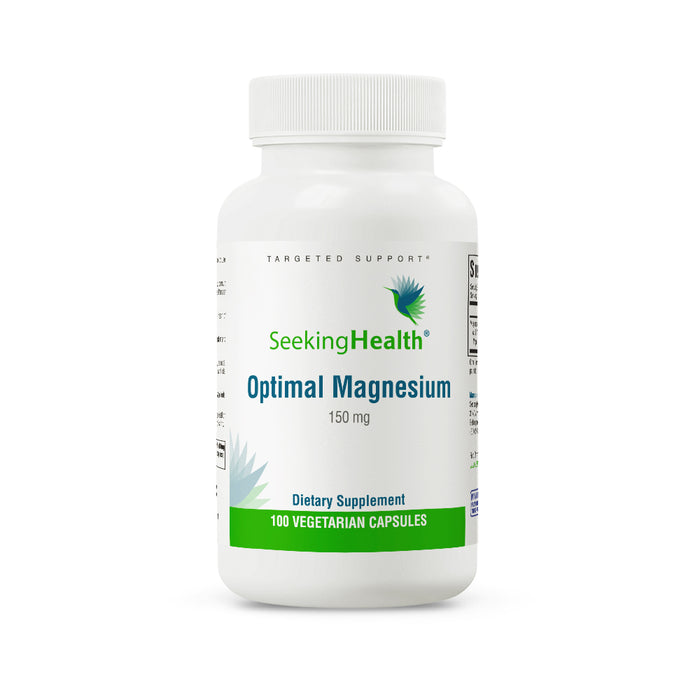
This comprehensive report examines the scientific evidence regarding optimal timing for magnesium supplementation based on current research from authoritative medical sources. The analysis covers absorption kinetics, bioavailability factors, and timing recommendations for specific health goals. Evidence suggests that while magnesium can be taken at any time of day, specific timing strategies may enhance absorption and therapeutic benefits depending on individual health objectives.
Introduction and Background
Magnesium is the fourth most abundant cation in the human body and serves as a cofactor in more than 300 enzymatic reactions [1]. Despite its critical importance, dietary surveys consistently show that many Americans consume less than recommended amounts, with 48% ingesting less magnesium than their respective Estimated Average Requirements (EARs) [1].
Key Physiological Functions
- Protein synthesis and muscle function
- Blood glucose control and blood pressure regulation
- Energy production and oxidative phosphorylation
- DNA and RNA synthesis
- Active transport of calcium and potassium across cell membranes
An adult body contains approximately 25g of magnesium, with 50-60% present in bones and most of the remainder in soft tissues. Less than 1% circulates in blood serum, where levels are tightly controlled through renal regulation [1].
Absorption Kinetics and Bioavailability
Magnesium Absorption Process
Research demonstrates that magnesium absorption follows complex kinetics involving both saturable and non-saturable mechanisms. Studies show that fractional magnesium absorption decreases with increasing dose, falling from 65% at low intakes to 11% at high intakes [2].
Research Finding: “Our results are statistically compatible with a magnesium absorption process that simultaneously uses a mechanism that reaches an absorptive maximum, plus a mechanism that endlessly absorbs a defined fraction (7%) of ingested magnesium” [2].
Timing and Absorption Enhancement
Multiple studies indicate that absorption timing significantly affects bioavailability:
Timing Factor
Impact on Absorption
Scientific Evidence
With Food vs. Fasting
14.4% increase when taken with meals
Serum Peak
Peak levels at 2-6 hours post-ingestion
Divided Doses
Enhanced absorption vs. single large doses
Multiple frequency studies [3]
Clinical Significance: A controlled study showed that patients with calcium oxalate stone history who took magnesium with meals experienced a median decrease of 17.8 mg/day in urinary oxalate compared to 8.5 mg/day when taken fasting, demonstrating superior therapeutic outcomes with meal timing [5].
Evidence-Based Timing Recommendations
Morning Administration
Research supports morning supplementation for specific health goals:
- Energy Support: Magnesium’s role in ATP production makes morning administration logical for energy metabolism throughout the day [6]
- Stress Management: Morning intake may help manage daily stress and support mental clarity [6]
- Consistency: Morning routines often ensure better adherence to supplementation protocols
Evening Administration
Substantial evidence supports evening timing for specific applications:
Sleep and Relaxation Benefits
Magnesium’s calming effects on the nervous system make it ideal for evening use. Clinical studies recommend taking magnesium glycinate 30-60 minutes before bedtime for optimal sleep benefits, as absorption into the bloodstream takes approximately one hour [6].
Specialized Timing by Magnesium Type
Magnesium Form
Optimal Timing
Primary Use
Evidence Level
Magnesium Glycinate
30-60 minutes before bed
Sleep support, anxiety reduction
Strong clinical evidence
Magnesium Citrate
Morning or early evening
Digestive health, general supplementation
Well-established
Magnesium Malate
Morning with breakfast
Energy production, muscle function
Emerging research
Magnesium Taurate
Divided doses, morning and evening
Cardiovascular support
Preliminary studies
Clinical Studies on Timing Effectiveness
The Scottsdale Magnesium Study
A significant clinical trial evaluated a timed-release magnesium formulation (MagSRT™) in 91 adults over 30 days. Results showed:
- 22% increase in serum magnesium at 4 hours post-dose
- 6% increase in red blood cell magnesium over 30 days
- Additional 24% increase in cellular magnesium over a 90-day extension period
- Significant improvement in symptoms including memory, fatigue, and anxiety [7]
Bioavailability Comparison Study
Research comparing magnesium citrate to magnesium oxide demonstrated superior bioavailability for the organic form, with significantly higher serum concentrations at 2, 3, 4, 5, and 6 hours post-administration [8].
Drug Interactions and Timing Considerations
Critical Medication Interactions
Several medication classes require specific timing separation from magnesium supplementation [1]:
- Fluoroquinolone and Tetracycline Antibiotics: Separate by at least 2 hours before or 4-6 hours after magnesium
- Bisphosphonates: Separate by at least 2 hours
- Gabapentin: Separate by 2 hours
- Proton Pump Inhibitors: Long-term use may cause hypomagnesemia; monitor levels
Safety and Dosage Guidelines
Recommended Daily Allowances
According to the National Institutes of Health [1]:
Age Group
Male RDA (mg/day)
Female RDA (mg/day)
Upper Limit (UL) mg/day
19-30 years
400
310
350 (supplements only)
31+ years
420
320
350 (supplements only)
Pregnancy (19-30)
–
350
350
Pregnancy (31-50)
–
360
350
Safety Note: The Tolerable Upper Limit (UL) of 350 mg/day applies only to supplemental magnesium, not dietary sources. Excess magnesium from food is safely eliminated by healthy kidneys [1].
Clinical Recommendations Summary
Evidence-Based Best Practices
- Take with Food: Enhance absorption by 14.4% and reduce gastrointestinal side effects
- Maintain Consistency: Regular daily intake is more important than specific timing for long-term benefits
- Consider Individual Goals: Time supplementation based on desired health outcomes:
- Sleep support: Evening, 30-60 minutes before bed
- Energy/stress management: Morning with breakfast
- Digestive health: Evening or as needed
- Divide Large Doses: Split doses greater than 200mg to enhance absorption
- Monitor Interactions: Separate from interfering medications by appropriate time intervals
Future Research Directions
Current evidence supports timing-based supplementation strategies, but researchers recommend larger, well-designed clinical trials to better understand optimal dosing protocols and individual variation in response to different timing strategies [1].
References and Citations
- National Institutes of Health, Office of Dietary Supplements. Magnesium: Fact Sheet for Health Professionals. Available at: https://ods.od.nih.gov/factsheets/Magnesium-HealthProfessional/ (Accessed August 2025)
- Fine KD, et al. Intestinal absorption of magnesium from food and supplements. J Clin Invest. 1991;88(2):396-402. PMC295344. Available at: https://www.ncbi.nlm.nih.gov/pmc/articles/PMC295344/
- Schuchardt JP, Hahn A. Intestinal Absorption and Factors Influencing Bioavailability of Magnesium-An Update. Curr Nutr Food Sci. 2017;13(4):260-278. PMC5652077. Available at: https://www.ncbi.nlm.nih.gov/pmc/articles/PMC5652077/
- Kappeler D, et al. Predicting and Testing Bioavailability of Magnesium Supplements. Nutrients. 2019;11(7):1663. PMC6683096. Available at: https://www.ncbi.nlm.nih.gov/pmc/articles/PMC6683096/
- Timing of magnesium supplementation in patients with nephrolithiasis: A randomized controlled trial. PubMed. Available at: https://pubmed.ncbi.nlm.nih.gov/39913253/
- Drugs.com Medical Editorial Staff. When is the best time to take magnesium, morning or night? Available at: https://www.drugs.com/medical-answers/when-best-time-take-magnesium-morning-night-3579573/
- Workinger JL, et al. Scottsdale Magnesium Study: Absorption, Cellular Uptake, and Clinical Effectiveness of a Timed-Release Magnesium Supplement. J Am Coll Nutr. 2018;37(4):308-314. Available at: https://www.tandfonline.com/doi/full/10.1080/07315724.2017.1398686
- Mühlbauer B, et al. Higher bioavailability of magnesium citrate as compared to magnesium oxide shown by evaluation of urinary excretion and serum levels after single-dose administration in a randomized cross-over study. BMC Nutr. 2017;3:7. Available at: https://bmcnutr.biomedcentral.com/articles/10.1186/s40795-016-0121-3