Hair Tissue Mineral Analysis (HTMA) reveals an extraordinary cellular intelligence network operating through sophisticated mineral patterns that orchestrate everything from ATP production to gene expression. By measuring mineral content in hair tissue using inductively coupled plasma mass spectrometry, HTMA provides a 3-4 month metabolic snapshot showing how cells intelligently regulate over 300 zinc-dependent enzymes, maintain electrochemical gradients consuming 30-70% of cellular ATP, and coordinate complex feedback loops that demonstrate remarkable biological wisdom. This non-invasive analysis exposes patterns invisible in blood tests – like the sodium/potassium ratio indicating adrenal function or calcium/magnesium revealing thyroid activity – offering practical insights into cellular metabolism that individuals can recognize through specific symptom patterns without constant testing.
The Biochemical Foundation of Reading Cellular Intelligence
Hair follicles serve as remarkable biological recording devices, capturing mineral patterns during the active growth phase when matrix cells at the hair bulb incorporate minerals from the bloodstream. Unlike blood, which maintains homeostatic mineral levels even when tissues are depleted, hair provides an unregulated historical record – once minerals become locked into the keratin matrix during keratinization, they create a permanent timestamp of cellular activity. This fundamental difference explains why someone can have “normal” blood magnesium while only 0.3% of total body magnesium exists in serum, with the remaining 99.7% hidden in tissues where it catalyzes over 300 enzymatic reactions.
The scientific pioneers Dr. Paul Eck and Dr. David Watts developed interpretation frameworks in the 1970s after analyzing over 100,000 samples, discovering that mineral ratios reveal more than individual levels. Modern laboratories employ ICP-MS technology achieving parts-per-billion sensitivity and ±3% accuracy, measuring 35+ elements simultaneously. The dermal papilla’s direct blood supply ensures minerals incorporated during the anagen phase reflect actual tissue utilization rather than circulating levels, providing insights into intracellular mineral status that blood tests cannot access. This creates a unique window into what cells are actually doing with minerals at the tissue level, rather than what’s merely circulating in the bloodstream.
Mineral Ratios Decode Cellular Conversations
The genius of HTMA interpretation lies in recognizing that cells communicate through mineral relationships, not isolated elements. The sodium/potassium ratio (ideal 2.4:1) acts as a cellular energy gauge – when elevated above 5:1, it signals inflammatory alarm responses with excessive aldosterone production, while ratios below 1.4 indicate anti-inflammatory exhaustion states where cells struggle to maintain basic energy production. The calcium/magnesium ratio (ideal 7:1) reveals insulin sensitivity and carbohydrate metabolism efficiency; research shows high ratios correlate with coronary artery calcification in middle-aged adults, while low ratios indicate elevated adrenal cortical hormone production disrupting blood sugar regulation.
The zinc/copper ratio (ideal 8:1) functions as an immune and hormonal barometer – studies demonstrate that normal testosterone levels correlate with significantly higher hair zinc and optimal Zn/Cu ratios, while imbalances manifest as estrogen dominance, copper toxicity symptoms including anxiety and depression, or zinc deficiency compromising over 300 enzymatic functions. The calcium/potassium ratio (ideal 4.2:1) directly indicates thyroid expression at the cellular level; elevations above 6.2 reveal hypothyroid patterns with reduced metabolic rate and parasympathetic dominance, while low ratios indicate hyperthyroid cellular activity. These ratios create metabolic typing patterns – fast oxidizers showing high sodium/potassium with low calcium/magnesium experience energy bursts followed by crashes, while slow oxidizers with inverted patterns struggle with chronic fatigue and sluggish metabolism.
The Mg-ATP Complex Powers Cellular Intelligence
At the heart of cellular energy production lies a profound example of mineral-dependent intelligence: ATP exists primarily as Mg-ATP rather than free ATP, with magnesium forming coordination bonds that make the molecule biologically active. This partnership enables over 300 magnesium-dependent enzymes to catalyze reactions throughout the Krebs cycle and oxidative phosphorylation. The electron transport chain demonstrates exquisite mineral orchestration – iron-sulfur clusters in Complex I and II enable electron transfer, while copper’s unique ability to cycle between Cu+ and Cu2+ oxidation states in Complex IV’s CuA and CuB centers allows cytochrome c oxidase to reduce oxygen with 100% efficiency.
Manganese superoxide dismutase protects this delicate machinery by detoxifying superoxide radicals generated during electron transport, while selenium-dependent glutathione peroxidase provides additional antioxidant defense. HTMA patterns revealing low magnesium, disrupted iron/copper ratios, or inadequate manganese directly indicate compromised mitochondrial function and reduced ATP production capacity. The cellular intelligence extends to precise mineral delivery systems – specialized copper chaperones (Cox17, Sco1/2, Cox11) ensure accurate copper insertion into cytochrome c oxidase, demonstrating that cells don’t merely use minerals but orchestrate their placement with molecular precision.
Cellular Logistics Networks Demonstrate Sophisticated Regulation
The sodium-potassium pump (Na+/K+-ATPase) exemplifies cellular intelligence through its elegant electrochemical engineering, exchanging 3 sodium ions out for 2 potassium ions in, creating the electrical gradients essential for nerve transmission, muscle contraction, and secondary transport systems. This single protein complex consumes 30-70% of neuronal ATP, highlighting its fundamental importance. Metallothionein proteins showcase another level of sophistication – these metamorphic molecules can bind up to 7 zinc or 12 copper atoms, existing in multiple conformational states that enable picomolar zinc buffering while coordinating subcellular metal redistribution based on cellular needs.
The transferrin-ferritin system demonstrates remarkable iron management intelligence. Transferrin binds iron with extraordinary affinity (Ka = 10^20 M^-1), preventing free iron toxicity while enabling pH-dependent release for controlled cellular delivery through receptor-mediated endocytosis. Ferritin can sequester up to 4,500 iron atoms per molecule, converting toxic Fe2+ to stable Fe3+ through its ferroxidase activity. Cells sense mineral levels through sophisticated mechanisms – zinc-responsive MTF-1 transcription factors, iron regulatory proteins (IRP1/IRP2) that detect cellular iron and adjust gene expression, and complex feedback loops that prioritize essential functions during deficiency states.
Methylation Cycles Reveal Epigenetic Mineral Intelligence
The methylation cycle represents one of biology’s most critical regulatory systems, entirely dependent on mineral cofactors. Zinc enables DNA methyltransferases to control gene expression, magnesium catalyzes enzymatic reactions throughout the cycle, and the cobalt center in vitamin B12 allows methionine synthase to regenerate methionine from homocysteine. This mineral-dependent system affects neurotransmitter synthesis (serotonin, dopamine, norepinephrine), phase II detoxification pathways, and membrane phospholipid production. HTMA patterns showing zinc deficiency, low cobalt, or magnesium depletion directly indicate compromised methylation capacity affecting everything from mood regulation to detoxification ability.
Sulfation pathways demonstrate additional mineral intelligence through molybdenum-dependent sulfite oxidase, which detoxifies harmful sulfites while supporting glutathione synthesis for antioxidant defense. Hormone synthesis further illustrates this interdependence – iodine for thyroid hormones, zinc for insulin production and receptor function, magnesium for steroid hormone synthesis, and copper for catecholamine production. When minerals become imbalanced, cells demonstrate remarkable compensatory intelligence: zinc deficiency triggers increased ZIP transporter expression to enhance uptake while decreasing ZnT transporters to reduce efflux, metallothionein degradation releases stored zinc, and enzyme hierarchies prioritize essential functions over less critical processes.
Symptom Patterns Mirror Cellular Mineral Intelligence
The practical genius of HTMA lies in how reliably cellular patterns manifest as recognizable symptoms. Copper toxicity (Zn/Cu ratio below 8:1) creates a distinct constellation: anxiety with a “wired but tired” feeling, depression resistant to conventional treatment, histamine intolerance, and hormonal disruptions including severe PMS. This occurs because excess copper stimulates then exhausts adrenals, interferes with ceruloplasmin production, and blocks zinc absorption critical for neurotransmitter balance. The “four lows” pattern – all four electrolytes below ideal – indicates severe cellular exhaustion where even basic mineral transport fails, manifesting as bone-deep fatigue unrelieved by rest, muscle cramps from electrolyte depletion, and cognitive dysfunction from impaired neuronal energy production.
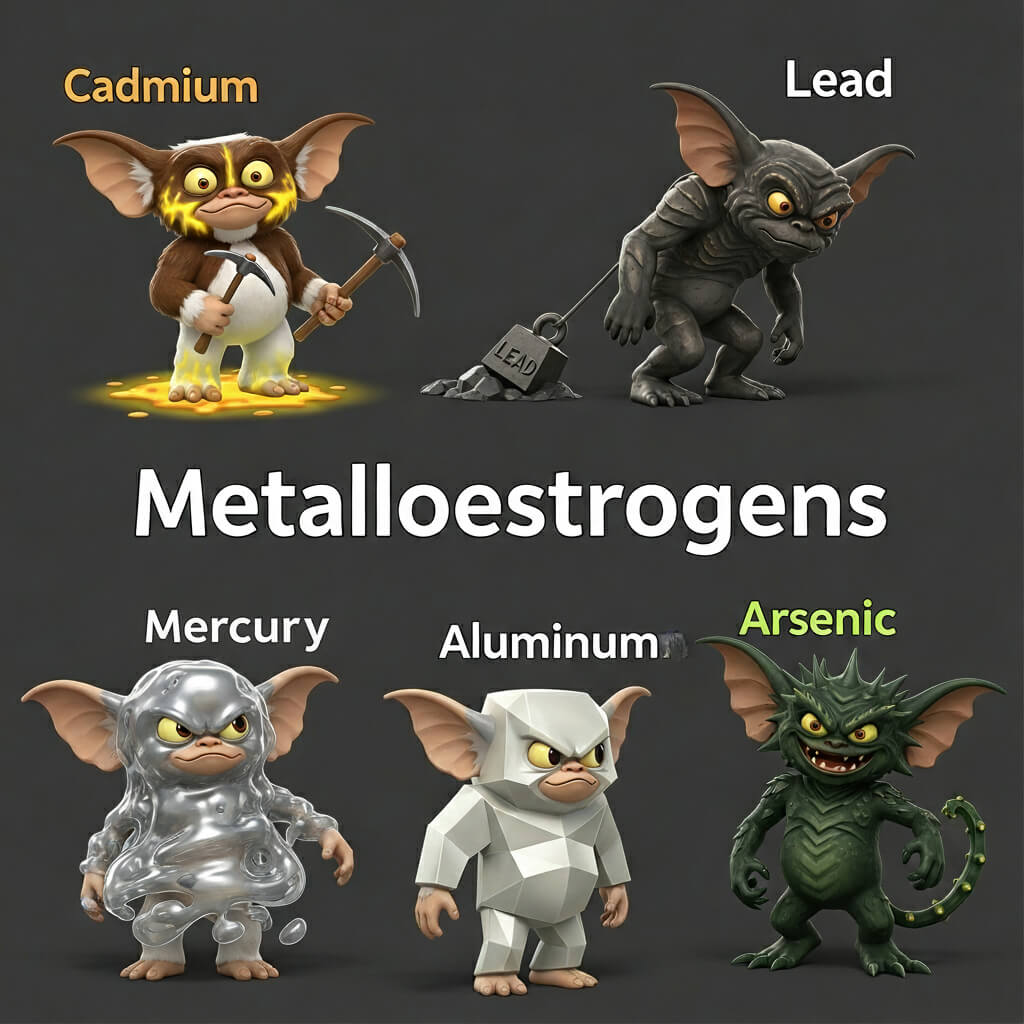
Slow oxidation patterns (high calcium/magnesium, low sodium/potassium) reveal cells operating in defensive mode – the body has down-regulated metabolism to conserve resources, resulting in chronic fatigue worse in mornings, cold extremities from reduced circulation, constipation from sluggish peristalsis, and weight gain despite low appetite. Research validates these correlations: a study found hair zinc deficiency in 88% of malnourished individuals while serum zinc appeared low in only 55%, demonstrating HTMA’s superior sensitivity for detecting functional deficiencies. Heavy metal patterns show how toxins displace essential minerals through ionic mimicry – mercury substituting for selenium disrupts thyroid function, aluminum replacing calcium impairs neurological signaling, and cadmium displacing zinc compromises immune and hormonal systems.
Practical Self-Assessment Without Endless Testing
Understanding HTMA patterns enables informed self-monitoring between tests. Morning energy levels, temperature stability, and stress resilience directly reflect sodium/potassium ratios and adrenal function. Muscle cramps, anxiety, chocolate cravings, and insomnia indicate magnesium deficiency affecting hundreds of enzymes. White spots on nails, frequent infections, poor wound healing, and loss of taste signal zinc deficiency compromising immune function. Metabolic typing guides dietary optimization – slow oxidizers benefit from 30-40% protein with warming spices to stimulate metabolism, while fast oxidizers need 50-55% complex carbohydrates to stabilize blood sugar and calm overactive adrenals.
The key lies in tracking patterns, not isolated symptoms. Someone with copper toxicity might follow a specific protocol: starting zinc at 15mg and gradually increasing, adding P5P (activated B6) for copper mobilization, including molybdenum for sulfur pathways, and strictly avoiding copper sources like chocolate and shellfish. Progress manifests predictably – initial detox reactions (headaches, mood swings) give way to improved sleep, stabilized mood, and enhanced energy over 3-6 months. Retesting becomes necessary only when improvement plateaus after 4+ months, new concerning symptoms arise, or major life stressors occur. Most individuals can extend retest intervals to 6-12 months once achieving stable energy patterns, optimal sleep, good stress tolerance, and overall well-being.
Clinical Intelligence Emerging from Cellular Patterns
Meta-analyses reveal HTMA’s clinical validity – over 40 years of research, 150,000+ annual US tests, and EPA endorsement for toxic metal monitoring. Dr. William Walsh’s database of 20,000+ patients identified distinct biochemical phenotypes: copper overload linked to ADHD and depression requires zinc, B6, and manganese while completely avoiding copper sources; pyrrole disorder affecting 10-15% of the population creates dramatic B6/zinc deficiency identifiable by inability to tan and poor dream recall; methylation imbalances require opposite nutritional approaches depending on whether someone over- or under-methylates.
Case studies demonstrate practical applications. A 35-year-old woman with severe anxiety showed copper at 45 mg% (normal 2.5-3.5) with zinc at 12 mg%, creating a Zn/Cu ratio of 0.27 versus the ideal 8:1. Six months of targeted supplementation reduced anxiety from 8/10 to 3/10, normalized sleep to 7-8 hours nightly, and improved PMS symptoms by 70%. A 42-year-old man with the “four lows” pattern and chronic fatigue followed a progressive protocol – adrenal support and basic minerals initially, then gradual energy improvement by month 3-4, normalized sleep by month 5-6, ultimately returning to full-time work with sustained energy and mood stability. These aren’t isolated successes but predictable outcomes when cellular intelligence is properly supported through targeted mineral rebalancing based on HTMA insights.
The Profound Wisdom Embedded in Every Cell
HTMA reveals that our cells operate with an intelligence that rivals any human-designed system – maintaining picomolar zinc concentrations through metallothionein buffering, orchestrating 4,500 iron atoms within single ferritin molecules, and coordinating electron transport chains that convert oxygen to water with perfect efficiency. This cellular wisdom, developed over millions of years of evolution, creates self-organizing systems that maintain homeostasis through multiple feedback loops, prioritize essential functions during resource scarcity, and adapt to changing conditions with remarkable plasticity. The patterns visible through HTMA aren’t simply mineral levels but windows into this hidden cellular intelligence – a sophisticated biological operating system that manages thousands of simultaneous processes with precision we’re only beginning to understand. By learning to read these patterns and recognize their symptom correlates, we gain practical tools for optimizing our own cellular intelligence, supporting the remarkable wisdom already encoded in every cell of our bodies.