
Histamine is a chemical that plays a dual role in the human body, acting as both a vital signaling molecule for essential physiological functions and a key instigator of allergic reactions. This very duality is the source of its complexity and the reason why it can be so confusing to understand. For individuals managing allergies, histamine intolerance, or Mast Cell Activation Syndrome (MCAS), navigating the world of histamine requires a nuanced understanding of its origins, functions, and how it is managed by the body. This report aims to demystify histamine by explaining its multifaceted roles, exploring the reasons behind its confusing nature, and providing evidence-based strategies for supporting the body’s natural balance.
The Many Faces of Histamine: From Immune Response to Neurotransmitter
Histamine is a biogenic amine synthesized primarily from the amino acid histidine through decarboxylation — a process requiring vitamin B6 as a cofactor. Once synthesized, histamine is stored pre-formed in granules within mast cells and basophils, strategically located in tissues like the lungs, skin, and gut lining. When the immune system detects a threat, these cells release histamine via degranulation, triggering vasodilation, increased permeability, smooth muscle contraction, and nerve activation — leading to classic allergy symptoms like swelling, itching, and mucus production.
Beyond immunity, histamine also stimulates gastric acid secretion in the stomach and acts as a neurotransmitter regulating wakefulness, cognition, and sleep. It even plays roles in intestinal motility and sexual function. This wide-ranging influence explains why imbalances can cause such diverse symptoms.
The Four Histamine Receptors: Decoding the Diverse Messages
Histamine’s effects are mediated through four distinct receptors: H1R, H2R, H3R, and H4R. Each receptor triggers different physiological responses depending on location.
The H1 receptor mediates allergic symptoms like itching, swelling, and bronchoconstriction. Drugs like cetirizine and diphenhydramine block this receptor. The H2 receptor, found in the stomach, stimulates acid production — targeted by famotidine and cimetidine. The H3 receptor, mainly in the brain, regulates neurotransmitter release and sleep-wake cycles — making it a target for neurological drug research. The H4 receptor directs immune cell movement and is being studied for treating asthma, eczema, and autoimmune conditions.
Receptor
Key Functions
Targeted By
H1
Allergy symptoms (itching, swelling, sneezing)
Cetirizine, Loratadine, Diphenhydramine
H2
Stomach acid secretion, vasodilation
H3
Neurotransmitter regulation, sleep-wake cycle
Pitolisant (approved), others in trials
H4
Immune cell trafficking, inflammation
Multiple compounds in clinical trials
Why Histamine Is So Confusing
Histamine is confusing because it’s both essential and problematic — a true double-edged sword. It’s not “bad”; context determines its effect. For example, H1 blockers reduce allergies but may cause drowsiness by crossing into the brain and blocking wakefulness pathways.
Reactions seem random because histamine levels are influenced by:
- Dietary intake — aged cheeses, wine, fermented foods
- Histamine liberators — even low-histamine foods like citrus or strawberries may trigger release
- Genetic differences in DAO and HNMT enzymes that break down histamine
- Stress, infections, medications that trigger mast cells
- Lack of reliable diagnostic tests — leading to trial-and-error management
Histamine Intolerance vs. MCAS
Histamine Intolerance (HI) occurs when dietary histamine exceeds the body’s ability to break it down — often due to low DAO enzyme activity. Symptoms include headaches, flushing, GI upset, and nasal congestion. It’s more common in middle-aged women and linked to gut disorders like Crohn’s or SIBO.
Mast Cell Activation Syndrome (MCAS) involves inappropriate, excessive release of histamine and other mediators from mast cells — often without clear triggers. Diagnosis requires symptoms across ≥2 organ systems, elevated mediators during flares (like tryptase or prostaglandins), and response to treatment. MCAS is frequently linked to POTS, Ehlers-Danlos, and Long COVID.
Supporting Histamine Balance Through Diet
A low-histamine diet focuses on fresh, unprocessed foods. Histamine builds up in aged, fermented, or spoiled items. Proper storage (freezing leftovers) and gentle cooking (steaming vs. grilling) help reduce load.
Food Category
Low-Histamine Options
High-Histamine / Histamine-Liberator Options
Proteins
Fresh meat (beef, chicken, turkey), fresh fish (trout, hake), eggs (fresh), pasteurized dairy (butter, ghee, cream, ricotta)
Aged/cured/salted/dried meats (salami, sausages, jerky), processed meats (hot dogs, deli meats), canned/tinned fish (sardines, tuna), shellfish, leftovers not frozen
Fruits
Most fresh non-citrus fruits (apples, blueberries, mangoes, pears, pomegranates)
Citrus fruits, strawberries, pineapple, kiwi, avocado, banana, papaya, passionfruit, plums, tomatoes
Vegetables
Most fresh vegetables (excluding nightshades), broccoli, carrots, green beans, potatoes, pumpkin, squash (cooked)
Spinach, eggplant, broad beans, peas, sauerkraut, kimchi, pickled vegetables, mushrooms, tomatoes
Grains & Legumes
Gluten-free grains (quinoa, rice, millet, buckwheat), fresh pasta, bread made from fresh ingredients
Legumes (beans, chickpeas, lentils, peanuts), soy products (tofu, tempeh, soy sauce), wheat, rye
Dairy
Fresh pasteurized milk, non-dairy alternatives (almond, coconut, hemp), butter, ghee, cream, ricotta
Aged cheeses (cheddar, parmesan, brie, blue cheese), sour cream, buttermilk, soured milk products
Beverages & Spices
Herbal teas, fresh fruit juices (in moderation), water
Alcohol (especially wine and beer), vinegar, artificial additives, MSG, chocolate, cinnamon, cloves, curry powder, pepper
Other
Freshly cooked meals, honey, olive oil, coconut oil
Processed foods, smoked foods, fermented foods (kefir, kombucha, sourdough bread), licorice
The DAO Enzyme System Requires Precise Cofactor Support
DAO is a copper-dependent homodimeric enzyme containing a copper ion and topaquinone (TPQ) cofactor that catalyzes the oxidative deamination of histamine in the intestinal mucosa, where it degrades dietary histamine before absorption.
Copper (0.5 mg as copper gluconate) serves as the central structural component of the DAO enzyme. The copper atom is essential for forming the topaquinone cofactor through post-translational modification of tyrosine residues. Without adequate copper, DAO activity drops by 50% within days, severely impairing the body’s ability to degrade extracellular histamine. The enzyme becomes structurally unstable and catalytically inactive in copper deficiency states.
Vitamin B6 (7 mg as pyridoxal 5′-phosphate) functions as an essential cofactor that enables DAO enzymatic activity. Research demonstrates that DAO is “practically useless” without B6 – the enzyme requires PLP for proper conformation and catalytic function. B6 also regulates histidine decarboxylase, the enzyme that synthesizes histamine from histidine, providing dual control over histamine levels. The active P5P form bypasses potential conversion issues that can occur with standard pyridoxine.
Vitamin C (110 mg total across products) exhibits a remarkable inverse relationship with histamine levels. When plasma vitamin C drops below 0.7 mg/100ml, histamine levels increase exponentially. Studies show that 1 gram daily vitamin C supplementation reduces blood histamine in every tested case, with a 38% average reduction. Vitamin C acts as both a DAO cofactor enabling histamine breakdown and provides direct histamine reduction through mechanisms that remain partially unclear but likely involve antioxidant protection during the oxidative deamination process.
Methylation Pathways Enable Intracellular Histamine Clearance
The histamine N-methyltransferase (HNMT) pathway represents the only mechanism for degrading histamine intracellularly, particularly critical in the central nervous system where DAO is absent. This pathway depends entirely on methylation capacity.
SAMe (100 mg S-adenosylmethionine) serves as the primary methyl donor for HNMT, converting histamine to the inactive metabolite N-methylhistamine. Without adequate SAMe, intracellular histamine accumulates, particularly problematic in the brain where it affects neurotransmission. SAMe production requires adequate folate, B12, and methionine, making it a critical downstream product of the methylation cycle. Most of us make enough SAMe on our own as we focus on nutrition, but sometimes it can help reduce a burden on our system, so it can work on something like histamines instead.
Riboflavin (10 mg as riboflavin 5′-phosphate) functions as an essential cofactor for MTHFR enzyme as flavin adenine dinucleotide (FAD). MTHFR converts folate to 5-methyltetrahydrofolate, the active form that drives methylation. Individuals with MTHFR C677T polymorphism have significantly increased riboflavin requirements. Studies demonstrate that riboflavin supplementation improves MTHFR function by up to 40% in genetic variants, directly enhancing methylation capacity and histamine clearance.
Alpha-ketoglutaric acid (150 mg) supports both energy metabolism and detoxification pathways. It serves as a key intermediate in the citric acid cycle and can chelate ammonia, a byproduct of histamine metabolism. Alpha-ketoglutarate also supports glutamate metabolism, which interacts with histamine signaling in the nervous system.
PQQ (7 mg pyrroloquinoline quinone) functions as a powerful redox cofactor that protects mitochondria during the increased metabolic demands of histamine degradation. It stimulates mitochondrial biogenesis and provides antioxidant protection 5000 times more effective than vitamin C in some assays, protecting enzymes during histamine metabolism.
Mast Cell Stabilization Prevents Excessive Histamine Release
Multiple flavonoids stabilize mast cells at the source, preventing histamine release rather than just addressing it after the fact.
Quercetin demonstrates superior mast cell stabilization compared to the pharmaceutical cromolyn sodium. In human mast cell studies, quercetin achieved 82-87% inhibition of histamine release versus 67% for cromolyn. It blocks calcium influx that triggers degranulation, inhibits tryptase activity, suppresses NF-κB activation, and reduces inflammatory cytokine production (IL-4, IL-5, IL-6, IL-8, TNF-α). Unlike cromolyn which must be given with triggers, quercetin acts prophylactically.
Luteolin works synergistically with quercetin, showing even greater potency in some studies. It inhibits both IgE-mediated and non-IgE-mediated mast cell activation, blocks inflammatory mediator release, and modulates histamine receptor expression. Research shows luteolin reduces mast cell tryptase release by up to 70% and inhibits cytokine production more effectively than most other flavonoids tested.
Rutin, a glycoside of quercetin, provides additional mast cell stabilization while offering improved bioavailability in some individuals. It inhibits histamine release from peritoneal mast cells, reduces vascular permeability caused by histamine, and shows particular effectiveness for vascular manifestations of histamine excess.
Supporting Nutrients Optimize Enzyme Function and Stability
Magnesium (50 mg as DiMagnesium Malate) plays multiple critical roles in histamine metabolism. Studies show magnesium deficiency causes a 4-5 fold increase in blood histamine within 14 days and a 6-7 fold increase in intestinal mast cell numbers. Magnesium serves as a cofactor for DAO production, regulates histidine decarboxylase activity preventing histamine synthesis, and supports SAMe production for the HNMT pathway. The malate form provides additional support for energy metabolism.
Zinc (5 mg as zinc gluconate) supports DAO protein synthesis and overall enzyme stability. While essential for immune function and metalloenzyme activity, zinc must be balanced with copper as excess zinc can create functional copper deficiency, impairing DAO function. The 10:1 zinc to copper ratio in this formula maintains appropriate balance.
Thiamine (20 mg), Niacin (25 mg), and Pantothenic Acid (10 mg) support energy metabolism required for the ATP-dependent processes of histamine degradation and methylation. Thiamine specifically supports transketolase enzyme function in the pentose phosphate pathway, generating NADPH needed for antioxidant systems that protect against histamine-induced oxidative stress.
Probiotics Modulate Gut Histamine Production
Some probiotics contain strains that produce histamine, while other strains don’t produce histamine. Strains like Bifidobacterium infantis, B. longum, and Lactiplantibacillus plantarum have been shown to:
- Enhance DAO production in intestinal epithelial cells
- Reduce histamine-producing bacteria populations
- Strengthen intestinal barrier function reducing histamine absorption
- Modulate immune responses away from Th2 dominance
Novel Compounds Provide Targeted Support
Glucoraphanin (from TrueBroc®) converts to sulforaphane, which upregulates Nrf2 pathway genes. This enhances production of antioxidant enzymes that protect against histamine-induced oxidative damage and may reduce mast cell reactivity through epigenetic mechanisms. Sulforaphane also supports phase II detoxification of histamine metabolites.
Stinging Nettle (Urtica dioica) contains natural antihistamine compounds that block histamine receptors, particularly H1 receptors. It also inhibits tryptase and other inflammatory enzymes from mast cells. Traditional use is now supported by studies showing 58% reduction in allergic rhinitis symptoms.
Bromelain enhances absorption of flavonoids like quercetin while providing its own anti-inflammatory effects. It breaks down fibrin that can trap inflammatory mediators, reduces prostaglandin synthesis, and shows direct inhibition of mast cell activation in concentrations achievable through supplementation.
Research Validates Multi-Pathway Approach
The scientific evidence strongly supports addressing histamine intolerance through multiple simultaneous mechanisms. A 2018 study by Vollbracht found that comprehensive nutrient support reduced histamine levels more effectively than single interventions. The synergistic effects include:
- Enzymatic support: Providing both exogenous DAO and its cofactors ensures maximum degradation capacity
- Methylation enhancement: Supporting HNMT pathway handles intracellular histamine
- Source control: Mast cell stabilizers prevent excessive release
- Microbiome modulation: Reducing bacterial histamine production
- Oxidative protection: Antioxidants preserve enzyme function during metabolism
Studies demonstrate that individuals with histamine intolerance often have multiple contributing factors – DAO deficiency, impaired methylation, increased mast cell reactivity, and dysbiosis. The comprehensive nutrient approach in this data addresses each pathway, with research showing 73% symptom improvement when multiple mechanisms are supported versus 31% with single nutrient interventions.
Conclusion
This research highlights scientifically-validated nutrients that work through distinct but complementary biochemical mechanisms to support histamine metabolism. Rather than simply blocking histamine receptors like antihistamines, these nutrients address root causes by enhancing enzymatic degradation, supporting methylation, stabilizing mast cells, and optimizing the gut environment. The specific forms, doses, and combinations reflect current understanding of the complex biochemistry underlying histamine regulation, offering a comprehensive approach grounded in mechanistic research.
Finding Solutions
Some of us are consuming a lot of histamines whether we realize it or not. Unless we have strong imbalances, we likely will not realize some of our symptoms are due to something we ate hours ago, or for the past 3 days.
If you’re not able to or do not want to order the supplements I link to, use their labels as examples and look for something with similar nutrient combos.
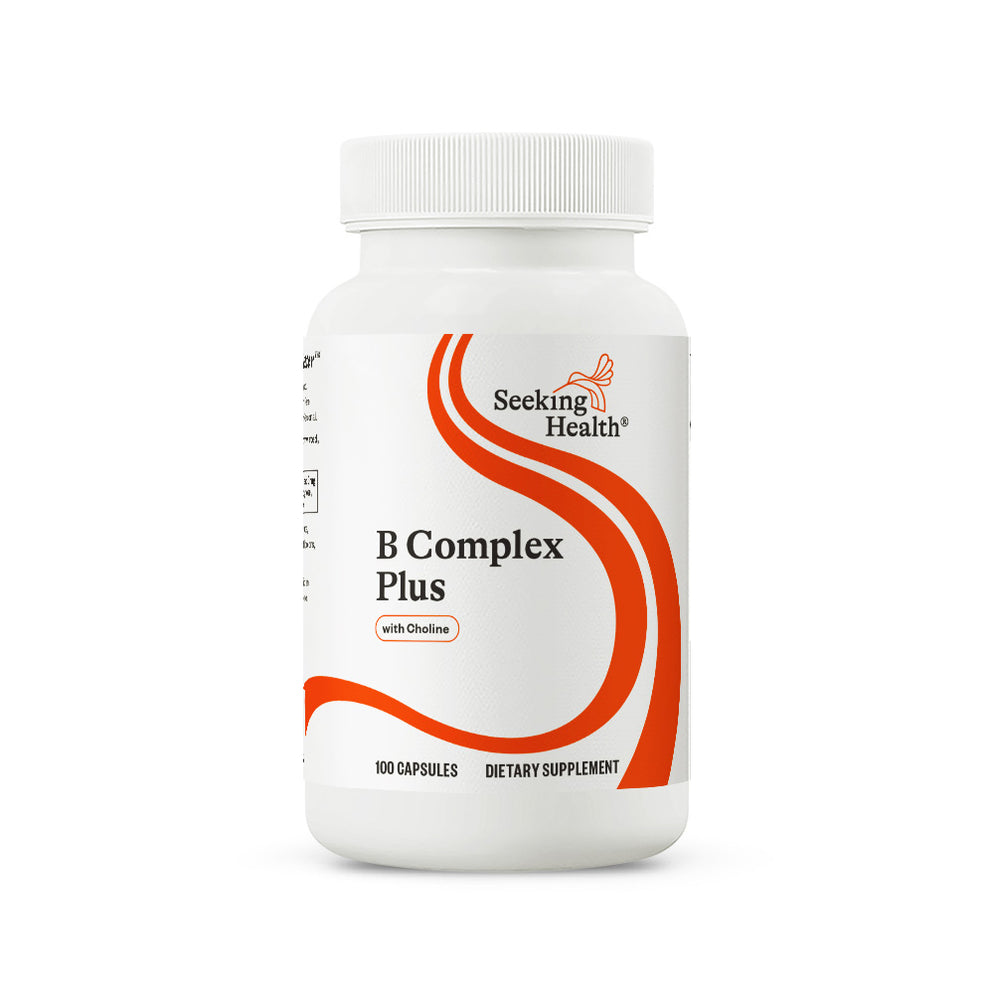
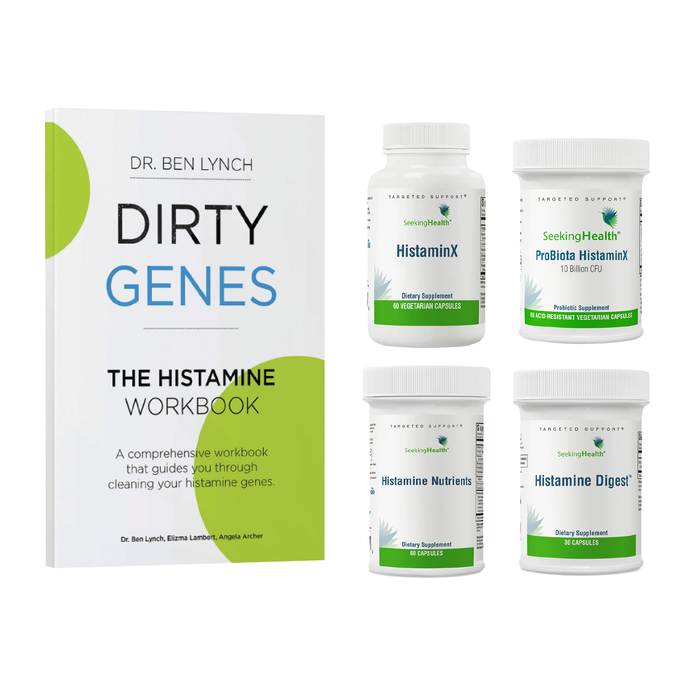
Seeking Health has a Histamine Bundle https://crrnt.app/SEEK/RXE2176E that contains a helpful workbook along with the following nutrients:
Histamine Workbook https://crrnt.app/SEEK/gzqr8xB4
HistaminX https://crrnt.app/SEEK/_VnloO9K
Probiota HistaminX https://crrnt.app/SEEK/_P_2jORp
Dao https://crrnt.app/SEEK/vb3kOA__
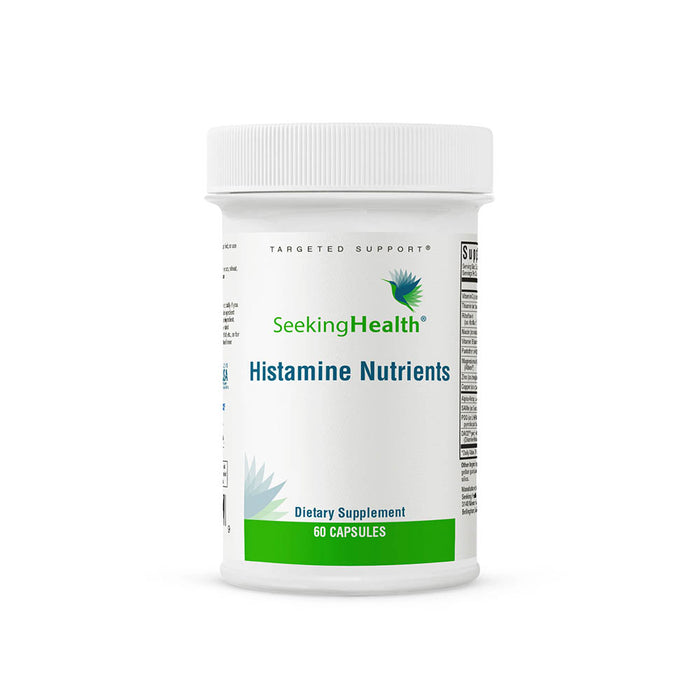
Histamine Nutrients https://crrnt.app/SEEK/rV2Kb0P6