
Metabolic Blocks Preventing Iodine Restoration in Hashimoto’s Patients
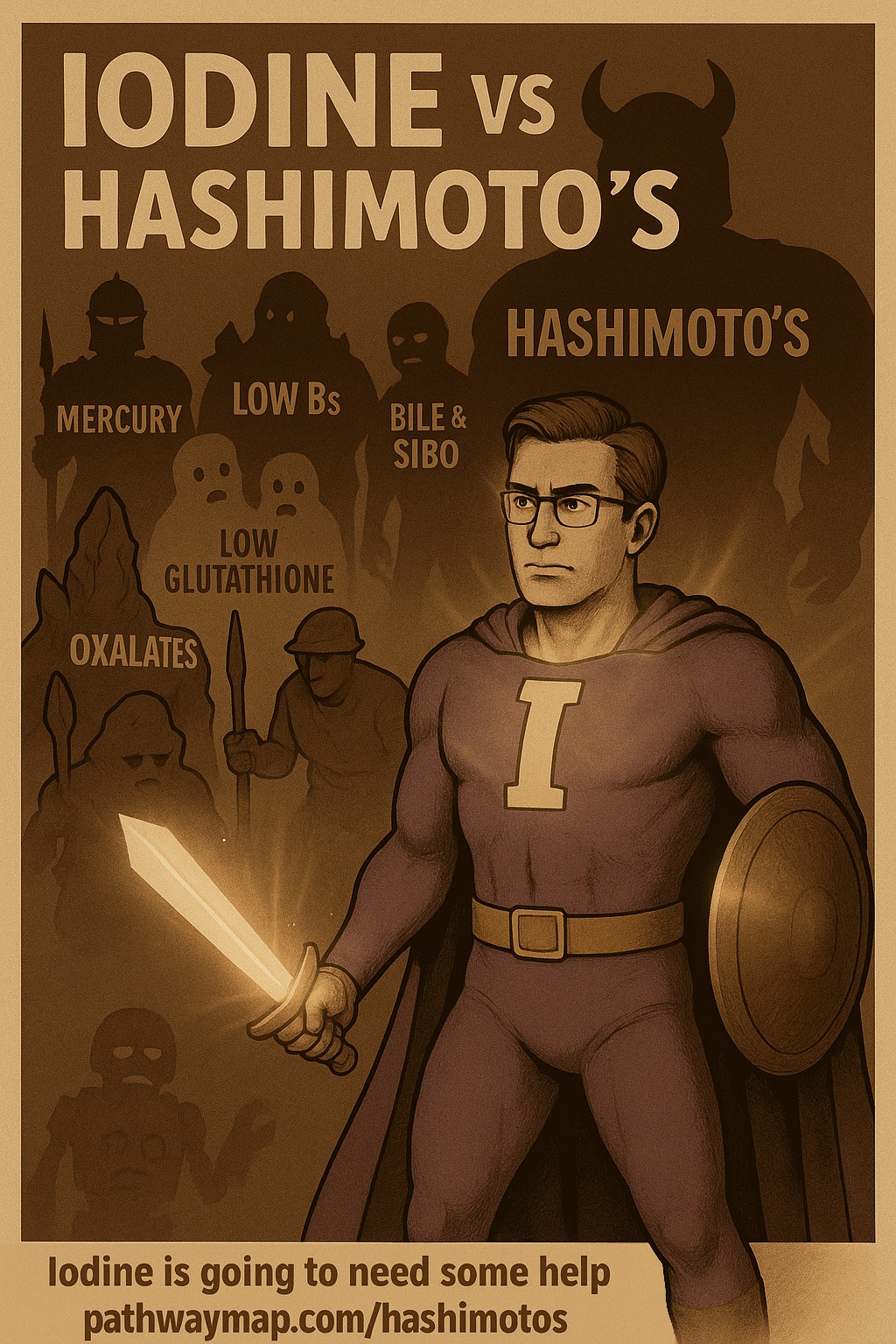
The research reveals that people labeled with Hashimoto’s thyroiditis often face complex metabolic dysfunctions that prevent successful iodine restoration, rather than simply having an autoimmune condition. According to alternative thyroid health perspectives, including whyiodine.com, Hashimoto’s may represent the body’s protective mechanism—using immune functions to intentionally slow thyroid function when the metabolism cannot safely operate at optimal speed due to underlying metabolic blocks.
Primary Metabolic Situations Blocking Iodine Restoration
Mercury Toxicity Disrupting Selenium Pathways
Mercury represents one of the most significant blocks to iodine utilization in Hashimoto’s patients. Research shows mercury accumulates preferentially in thyroid tissue, with 38% of people over 60 having detectable mercury in thyroid follicular cells[1]. The mechanism involves mercury forming complexes with selenium[2], creating a functional selenium deficiency even when dietary intake appears adequate. Since selenium is absolutely critical for the enzymes that convert T4 to T3 and protect the thyroid from oxidative damage during hormone production, mercury toxicity essentially paralyzes the thyroid’s ability to safely use iodine. This explains why some patients experience severe reactions to iodine supplementation—their selenium-dependent protective systems are compromised.
Hypochlorhydria and the Digestive Cascade
An estimated 90% of the population suffers from hypochlorhydria[3] (low stomach acid), with this condition being particularly prevalent in those with Hashimoto’s[4]. The whyiodine.com research emphasizes that lack of proper stomach acid creates a cascade of nutrient deficiencies by preventing the absorption of protein, vitamin B12, iron, calcium, vitamin D, and other minerals essential for thyroid function. Without adequate stomach acid, bile release is impaired[5], leading to poor fat digestion and malabsorption of fat-soluble vitamins A, D, E, and K—all crucial for thyroid hormone production and utilization. This digestive dysfunction creates a situation where even if iodine is supplemented, the body lacks the cofactors necessary to use it safely and effectively.
Halogen Competition and Toxic Displacement
The thyroid gland cannot distinguish between iodine and other halogens like fluoride, bromide, and chlorine, which are ubiquitous in modern environments. Fluoride is particularly problematic[6], being 8 times lighter than iodine and easily displacing it from thyroid receptors. Current fluoride exposure levels of 1.6-6.6mg daily are sufficient to suppress thyroid function—historically, 2-5mg daily was used as a hyperthyroid treatment. Bromide from flame retardants, baked goods, and pesticides[7] further compounds the problem. The high-dose iodine protocols developed by Abraham, Brownstein, and Flechas[8] suggest that 12.5-50mg of iodine daily may be needed to displace these accumulated halogens, but many patients cannot tolerate these doses initially due to compromised detox pathways.
Critical Nutrient Cofactor Deficiencies
The Selenium Paradox in Hashimoto’s
Selenium deficiency alone can create the complete clinical picture of Hashimoto’s, including elevated antibodies and hypothyroid symptoms. Studies demonstrate that 200μg daily selenium supplementation reduces TPO antibodies by 40%[9] and can achieve complete antibody normalization in some cases. However, in the presence of mercury toxicity, selenium supplementation may be ineffective because mercury blocks selenium transport into and out of tissues[2]. This creates a particularly frustrating situation where patients supplement with selenium but still cannot utilize iodine safely.
Iron and the Thyroid Peroxidase Bottleneck
Iron is an essential component of thyroid peroxidase (TPO)[10], the enzyme that incorporates iodine into thyroid hormones. Without adequate iron (optimal ferritin levels of 90-110 ng/mL), the thyroid cannot use iodine regardless of how much is available. Studies show iron deficiency significantly reduces thyroid hormone levels even with adequate iodine intake. This is particularly problematic in Hashimoto’s patients who often have gut inflammation impairing iron absorption.
The B-Vitamin Energy Crisis
Thiamine (B1) deficiency is particularly significant, as it’s essential for stomach acid production and mitochondrial ATP generation. Without adequate thiamine, the cascade of poor digestion and cellular energy deficiency prevents proper iodine utilization. Therapeutic doses of 600mg daily thiamine[11] have shown remarkable improvements in thyroid function. Riboflavin (B2) is required for the FAD cofactor needed by deiodinase enzymes that convert T4 to T3, and hypothyroid patients cannot efficiently convert B2 to its active forms, creating a vicious cycle.
Detoxification Pathway Dysfunction
Liver Phases and Thyroid Hormone Metabolism
The liver is responsible for 20% of T4 to T3 conversion, but more importantly, it must be able to properly eliminate metabolic waste through bile. When bile becomes thick and stagnant due to poor diet, dehydration, and toxic overload, the liver cannot clear hormones and toxins effectively. This creates a backup that forces the body to downregulate all metabolic processes, including thyroid function and methylation. The liver’s Phase I and Phase II detoxification[12] must be balanced, but forcing these processes with supplements before ensuring proper bile flow and elimination just creates more problems. The focus must be on getting bile flowing first—thin, golden bile that can carry waste out of the body rather than thick, dark sludge that recirculates toxins.
MTHFR and Protective Methylation Reduction
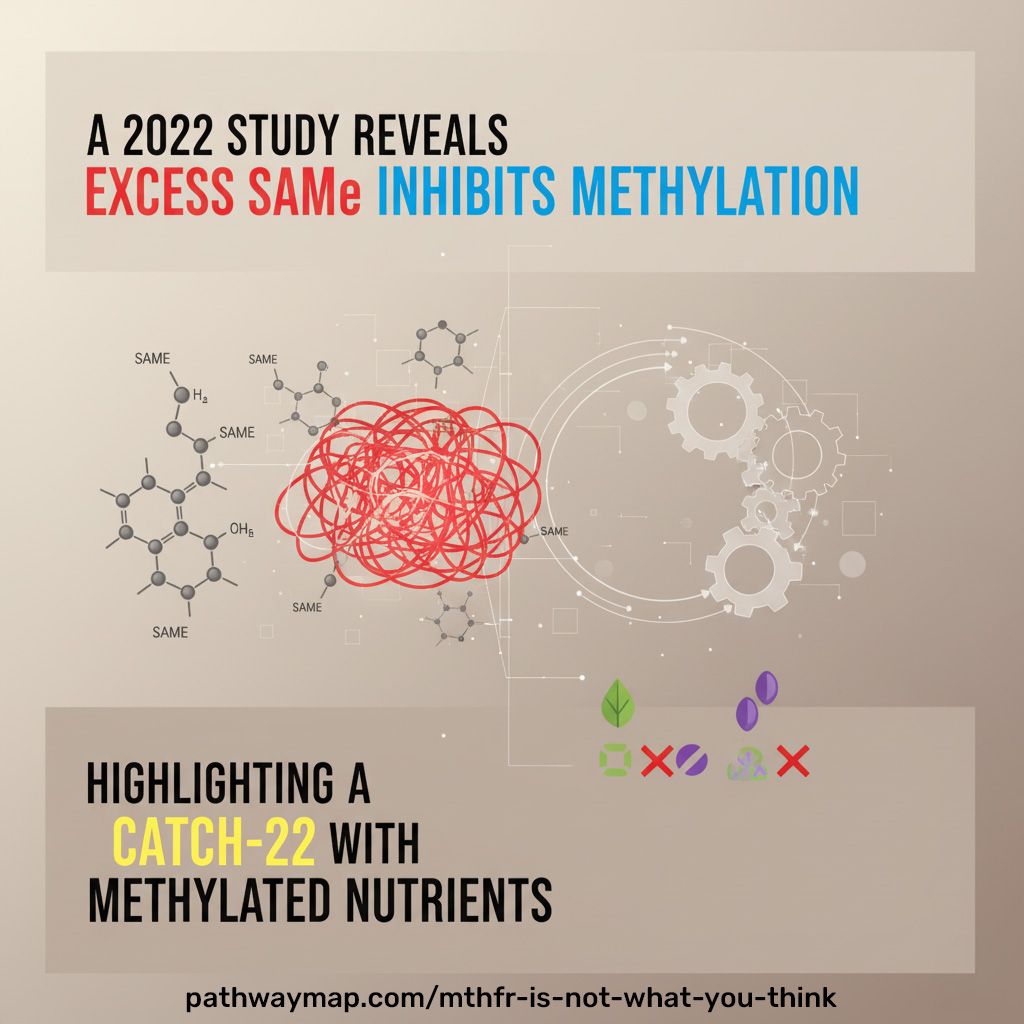
MTHFR variants affect 40% of the population[13], but the reduction in methylation is not a defect to be overridden—it’s the body’s intelligent protective response to prevent damage when toxins and metabolic waste cannot be properly cleared. Our system purposefully downregulates methylation to avoid creating more harmful compounds when elimination pathways are blocked. The real issue is the backed-up bile and compromised elimination systems that force this protective slowdown. When bile becomes thick and sticky[14], toxins recirculate rather than being eliminated, and the body wisely reduces methylation to prevent further toxic burden. Forcing methylation with supplements before clearing these blockages can cause significant harm and increased symptoms.
Gut-Thyroid Axis Disruption
SIBO and the Conversion Crisis
Small intestinal bacterial overgrowth (SIBO) affects 50-54% of hypothyroid patients[15], creating a particularly problematic situation for iodine utilization. The gut is responsible for 20% of T4 to T3 conversion, and pathogenic bacteria in SIBO produce enzymes that interfere with this process. Additionally, SIBO creates systemic inflammation through increased lipopolysaccharide (LPS) production, which correlates directly with thyroid antibody levels[16]. The bacterial translocation increases the toxic load on the liver, further compromising detoxification pathways needed for safe iodine use.
Oxalate Accumulation in Thyroid Tissue
Research reveals that 79% of adults have calcium oxalate crystals in their thyroid glands[17]. Interestingly, people with Hashimoto’s show lower crystal incidence in inflamed areas, suggesting the immune response may be attempting to clear these deposits. The formation of oxalate crystals is linked to poor digestion, low stomach acid, and gut dysbiosis[18]—all factors that prevent proper iodine utilization. Giant cell reactions around these crystals indicate ongoing immune activation that may be mistaken for autoimmune disease.
Mitochondrial Dysfunction and Cellular Energy Crisis
The ATP Requirement for Iodine Utilization
Every step of thyroid hormone production, conversion, and cellular utilization requires ATP. T3 directly stimulates mitochondrial biogenesis[19] and can increase ATP synthesis efficiency by 80-168% in responsive tissues[20]. However, this creates a catch-22 situation: the thyroid needs energy to produce hormones, but hormone production is needed for energy generation. Mitochondrial dysfunction from nutrient deficiencies[21] (particularly CoQ10, B vitamins, magnesium, and iron) creates a state where cells cannot utilize thyroid hormones even when present, leading to tissue-level hypothyroidism despite normal blood levels.
Oxidative Stress and the Glutathione Crisis
Each molecule of thyroid hormone produced generates hydrogen peroxide, requiring robust antioxidant systems for protection. Hashimoto’s patients show 62% lower glutathione levels[22] than healthy controls, directly correlating with higher antibody levels. Without adequate glutathione, the oxidative stress from iodine metabolism causes thyroid tissue damage, triggering further immune activation. This explains why some patients experience thyroid swelling and increased antibodies when starting iodine—their antioxidant systems cannot handle the oxidative load.
The Protective Inhibition Theory
The alternative perspective from whyiodine.com suggests that what appears as Hashimoto’s may actually be the body’s intelligent response to metabolic dysfunction. When the system cannot safely produce or utilize thyroid hormones due to toxic burden, nutrient deficiencies, and compromised detoxification, the immune system may intentionally slow thyroid function as a protective mechanism. The elevation in TSH might represent the body “incorrectly asking for more hormones” when it cannot safely handle them due to these metabolic blocks.
Sequential Approach to Restoring Iodine Tolerance
Successfully restoring iodine utilization requires addressing metabolic blocks in the proper sequence:
Phase 1: Bile flow and elimination restoration is the critical first step. Without proper bile flow, toxins recirculate and the body cannot clear metabolic waste. This involves supporting bile production with taurine and bitter herbs, improving bile consistency with phosphatidylcholine, addressing gallbladder stasis with gentle movement and castor oil packs, and ensuring adequate bowel movements for toxin elimination. The thick, sticky bile must become thin and flowing before any other interventions can succeed.
Phase 2: Digestive restoration focuses on rebuilding stomach acid production with salt, thiamine, and zinc. Proper stomach acid triggers the entire digestive cascade including bile release. This phase includes healing the gut lining, addressing SIBO if present, and restoring proper enzyme production. Without this foundation, nutrients cannot be absorbed and toxins continue accumulating.
Phase 3: Toxic burden reduction can begin once elimination pathways are open. This involves gentle support for liver function (not aggressive detox), removal of halogen exposures from water and environment, supporting kidney function with adequate hydration, and allowing the body’s natural detox systems to work now that bile is flowing properly. Methylation will naturally improve as the toxic backlog clears.
Phase 4: Cellular energy restoration addresses mitochondrial support with CoQ10 and basic B vitamins (not methylated forms initially), mineral repletion focusing on magnesium and trace minerals, blood sugar stabilization to reduce metabolic stress, and adrenal support through stress management and adaptogenic herbs. As cellular energy improves, the body can better handle metabolic processes.
Phase 5: Thyroid optimization can begin only after the foundation is restored. Start with very low iodine doses (1-2 drops of Lugol’s 2% solution) while monitoring reactions. Many find they need less thyroid medication as metabolic function improves. The key is patience—rushing this process by forcing methylation or high-dose supplements before clearing blockages will backfire.
Distinguishing Metabolic Dysfunction from True Autoimmunity
The research reveals that many cases diagnosed as Hashimoto’s may actually be metabolic dysfunction mimicking autoimmune disease. Selenium deficiency alone can produce elevated TPO antibodies that normalize completely with supplementation[23]. Molecular mimicry from gluten[24], infections like Epstein-Barr virus, and environmental toxins can trigger antibody production without genuine autoimmune pathology. Even stress and trauma can elevate thyroid antibodies[25] through HPA axis disruption rather than autoimmune mechanisms.
Laboratory interference from heterophile antibodies can cause false positive results[26], and 8.2% of healthy individuals have elevated thyroid antibodies without any disease. Multiple case studies document complete resolution of “Hashimoto’s” through addressing nutritional deficiencies[27], eliminating gluten, healing the gut, and managing stress—without any immune suppression or thyroid medication.
Conclusion
The metabolic blocks preventing iodine restoration in Hashimoto’s patients represent a complex web of interconnected dysfunctions rather than a simple autoimmune condition. Mercury toxicity, digestive insufficiency, halogen competition, nutrient deficiencies, compromised detoxification, gut dysbiosis, mitochondrial dysfunction, and oxidative stress create a situation where the body cannot safely utilize iodine despite supplementation. The perspective that Hashimoto’s may represent protective metabolic inhibition rather than autoimmune disease offers a new paradigm for understanding why conventional treatment often fails and why addressing root metabolic causes can lead to complete resolution of symptoms and antibodies. Success requires patience, systematic testing, and addressing issues in the proper sequence, but this comprehensive approach can result in dramatic improvements that hormone replacement alone cannot achieve.
Note from the Author
There are several large doses of nutrients mentioned here. A lot of people following me know I am constantly mentioning tiny amounts of these nutrients. So why am I mentioning large doses here?
These write-ups are an attempt at relating the path I see through this stuff, to the science that is available. And the science that is available, only has something to share when they dose people with large amounts of these things. That doesn’t mean we have to use those large amounts, it means that’s how much it takes to juice people into a response while the study is staring that them.
These datapoints can be used to help guide us without juicing our system. Use this info and blend it into my idea of reassimilating with our world.
Please read at least some the iodine and MTHFR write ups I’ve put together on this site. You’ll likely want to learn more about bile, which I explain too.
If you are new to iodine. I've put together WhyIodine.com
References
[1] NCBI. Mercury in the human thyroid gland: Potential implications for thyroid cancer, autoimmune thyroiditis, and hypothyroidism – PMC. https://www.ncbi.nlm.nih.gov/pmc/articles/PMC7872292/
[2] Oxford Academic. Disruption of selenium transport and function is a major contributor to mercury toxicity. https://academic.oup.com/metallomics/article-abstract/11/3/621/5954235
[3] Dr. Hagmeyer. Cause Of Low Stomach Acid (Hypochlorhydria). https://www.drhagmeyer.com/cause-of-low-stomach-acid-hypochlorhydria/
[4] Paloma Health. Low Stomach Acid and Hashimotos. https://www.palomahealth.com/learn/low-stomach-acid-hashimotos
[5] Red Mountain Clinic. MTHFR and Digestion: Methylation Impacts Gallbladder Function. https://www.redmountainclinic.com/mthfr-and-digestion-methylation-impacts-gallbladder-function/
[6] Lifespa. How to Remove Thyroid- + Pineal-Damaging Fluoride with Iodine. https://lifespa.com/health-topics/lymphatic-system/could-fluoride-be-causing-a-thyroid-epidemic/
[7] Biocoherence Nederland. Iodine and Bromine Health Effects. https://www.biocoherence.eu/en/iodine-and-bromine-health/
[8] Freethinking Health. The high dose iodine protocol: what you need to know. http://www.freethinkinghealth.com/features/the-high-dose-iodine-protocol/
[9] PubMed Central. Selenium and thyroid autoimmunity – PMC. https://pmc.ncbi.nlm.nih.gov/articles/PMC2721352/
[10] PubMed Central. Selenium, Iodine and Iron–Essential Trace Elements for Thyroid Hormone Synthesis and Metabolism – PMC. https://pmc.ncbi.nlm.nih.gov/articles/PMC9967593/
[11] MDPI. The Role of Nutrition on Thyroid Function. https://www.mdpi.com/2072-6643/16/15/2496
[12] PubMed Central. Genetic Biomarkers of Metabolic Detoxification for Personalized Lifestyle Medicine – PMC. https://pmc.ncbi.nlm.nih.gov/articles/PMC8876337/
[13] Amy Myers MD. The MTHFR Mutation: What It Is and What To Do About It. https://www.amymyersmd.com/blogs/articles/mthfr-mutation
[14] Beyond MTHFR. MTHFR and Digestion: Methylation Impacts Gallbladder Function. https://www.beyondmthfr.com/mthfr-digestion-methylation-connection-gallbladder-function/
[15] Dr Becky Campbell. The SIBO and the Thyroid Connection. https://drbeckycampbell.com/the-sibo-and-the-thyroid-connection/
[16] Springer. Intestinal microbiota regulates the gut-thyroid axis. https://link.springer.com/article/10.1007/s10238-024-01304-4
[17] PubMed. Calcium oxalate crystals in the thyroid. https://pubmed.ncbi.nlm.nih.gov/2435146/
[18] Healing Histamine. Oxalic Acid Inflammation linked to Histamine, Thyroid Dysfunction & Hashimoto’s. https://www.healinghistamine.com/blog/oxalic-acid-inflammation-linked-to-histamine-thyroid-dysfunction-hashimotos/
[19] PubMed. Thyroid hormone effects on mitochondrial energetics. https://pubmed.ncbi.nlm.nih.gov/18279015/
[20] American Physiological Society. T3 increases mitochondrial ATP production in oxidative muscle. https://journals.physiology.org/doi/full/10.1152/ajpendo.2001.280.5.E761
[21] Thyroid Pharmacist. The Mitochondria, Adrenal, and Thyroid Connection. https://thyroidpharmacist.com/articles/mitochondria-adrenal-thyroid-connection/
[22] NCBI. Serum Selenium Status and Its Interrelationship with Serum Biomarkers. https://www.ncbi.nlm.nih.gov/pmc/articles/PMC7692168/
[23] medRxiv. The Effect of Selenium on Hashimoto’s Thyroiditis. https://www.medrxiv.org/content/10.1101/2020.04.15.20066001v1.full
[24] PubMed. Molecular mimicry and autoimmune thyroid disease. https://pubmed.ncbi.nlm.nih.gov/27307072/
[25] PubMed. Stress and thyroid autoimmunity. https://pubmed.ncbi.nlm.nih.gov/15650357/
[26] PubMed. Heterophile antibodies may falsely increase or decrease thyroglobulin measurement. https://pubmed.ncbi.nlm.nih.gov/19589101/
[27] ScienceDirect. A case report of a novel, integrative approach to Hashimoto’s thyroiditis. https://www.sciencedirect.com/science/article/abs/pii/S2212958817300022