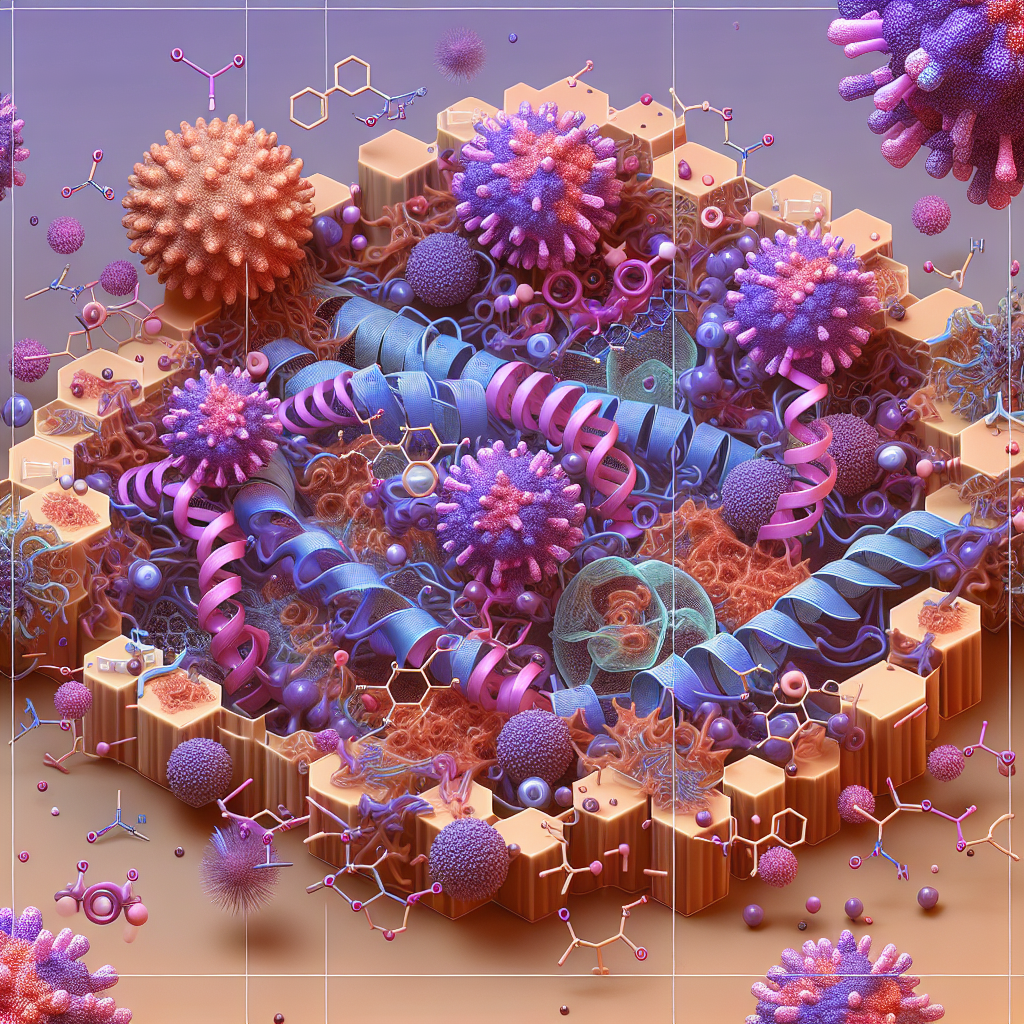

Glyphosate, the world’s most widely used herbicide, inhibits the EPSPS enzyme in 54% of core human gut bacterial species, disrupting their ability to produce essential compounds through the shikimate pathway. While humans lack this metabolic pathway entirely, our gut bacteria depend on it to synthesize aromatic amino acids, folate, vitamin K2, and other critical nutrients we need for health. Recent research reveals that beneficial bacteria like Lactobacillus and Bifidobacterium are more susceptible to glyphosate than pathogenic species, potentially creating an imbalanced microbiome with far-reaching health implications. The scientific community remains divided on whether current human exposure levels—detected in 60-95% of Americans—are sufficient to cause meaningful health effects, with regulatory agencies maintaining safety standards while independent researchers call for precautionary measures.
The shikimate pathway powers bacterial production of essential nutrients
The shikimate pathway represents a seven-step metabolic highway that bacteria use to manufacture aromatic compounds from simple sugar precursors. This ancient biochemical machinery, completely absent in mammals, converts phosphoenolpyruvate and erythrose-4-phosphate into chorismate—the master precursor for aromatic amino acids. In bacteria, this pathway accounts for 20-35% of total carbon flux, making it absolutely essential for their survival and metabolic function.
The EPSPS enzyme catalyzes the pathway’s penultimate step, combining shikimate-3-phosphate with phosphoenolpyruvate to form 5-enolpyruvylshikimate-3-phosphate. This reaction stands as the critical bottleneck that glyphosate targets with remarkable specificity. Glyphosate acts as a transition-state analog of phosphoenolpyruvate, binding to EPSPS with higher affinity than the natural substrate and forming an extremely stable ternary complex that effectively shuts down the enzyme.
Through this pathway, gut bacteria produce three aromatic amino acids vital for human health: tryptophan (the precursor to serotonin and melatonin), tyrosine (needed for dopamine and thyroid hormones), and phenylalanine (essential for protein synthesis). Beyond amino acids, the pathway generates folate precursors, vitamin K2 for bone health and blood clotting, ubiquinone for cellular energy production, and various antimicrobial compounds that help maintain gut ecosystem balance. Humans obtain these compounds either through diet or from bacterial production in our intestines, creating a critical dependency on our microbial partners.
Research confirms over half of gut bacteria are vulnerable to glyphosate
A landmark 2020 study by researchers at the University of Turku analyzed 890 EPSPS sequences from 101 common human gut bacterial species, developing the first bioinformatics method to assess glyphosate sensitivity. The team’s analysis of 732 bacterial genomes from the Human Microbiome Project confirmed that 54% of core gut bacterial species are intrinsically sensitive to glyphosate, while 29% show resistance and 17% remain unclassified or variable. This finding has been independently validated by multiple research groups using different methodologies.
The sensitivity pattern reveals a concerning asymmetry: beneficial bacteria generally show greater susceptibility than potentially harmful species. Minimum inhibitory concentrations for commensal bacteria range from 5-10 mg/mL, while pathogenic bacteria like Salmonella and certain E. coli strains require 20-80 mg/mL for inhibition. Specifically vulnerable beneficial species include Faecalibacterium (a major producer of anti-inflammatory butyrate), Bifidobacterium (critical for immune development), and various Lactobacillus strains (important for gut barrier function and GABA production).
Studies demonstrate that glyphosate exposure creates measurable shifts in microbiome composition within two weeks. Research shows significant decreases in beneficial Bifidobacterium pseudolongum and Lactobacillus species, coupled with increases in potentially harmful bacteria like Clostridium difficile and various Enterobacteriaceae. These compositional changes persist and intensify with continued exposure, with phylogenetic diversity declining significantly over time at concentrations of 10-100 μg/ml—levels approaching those found in some human populations.
Disrupted bacterial metabolism triggers cascading health effects
When glyphosate blocks EPSPS function in gut bacteria, the immediate consequence is accumulation of shikimic acid and 3-dehydroshikimic acid—biomarkers now used to detect exposure. More critically, bacteria lose their ability to synthesize aromatic amino acids, forcing them to compete for these nutrients from the host diet. This competition can create local deficiencies even when dietary intake appears adequate, particularly affecting the intestinal epithelium where bacterial metabolites normally provide nutritional support.
The disruption extends to one-carbon metabolism, a fundamental cellular process requiring bacterial-produced folate. Gut bacteria synthesize approximately 37% of daily folate requirements, with 13% of gut bacterial genomes containing complete folate synthesis pathways. When these bacteria are inhibited, homocysteine levels can rise—a documented cardiovascular risk factor—while DNA methylation patterns may be altered, potentially affecting gene expression and cellular function throughout the body.
Perhaps most concerning is the impact on short-chain fatty acid production. Bacteria like Faecalibacterium and other butyrate producers are particularly sensitive to glyphosate, leading to reduced production of these critical metabolites that maintain gut barrier integrity, regulate inflammation, and support metabolic health. Animal studies consistently show decreased acetate and butyrate levels following glyphosate exposure, accompanied by increased intestinal inflammation markers including lipocalin-2 and pro-inflammatory T cells.
Scientific evidence reveals a spectrum from established to controversial
The strength of evidence linking glyphosate-induced microbiome disruption to human health varies considerably across different outcomes. Animal studies provide the most robust evidence, consistently demonstrating gut microbiome alterations at doses near or below the US Acceptable Daily Intake of 1.75 mg/kg/day. Multiple independent research groups have confirmed these findings using different experimental designs, with metabolomic analyses revealing disrupted shikimate pathway function through elevated shikimic acid levels in exposed animals.
Inflammatory changes represent another area of strong evidence. Studies document increased intestinal inflammation, elevated pH indicating altered gut homeostasis, and a pro-inflammatory immune environment characterized by increased CD4+IL17A+ T cells. These changes occur at environmentally relevant doses and persist with chronic exposure, suggesting potential for long-term health impacts.
The evidence becomes more controversial when examining specific disease associations. Autism spectrum disorder shows moderate correlational evidence, with a California population study finding prenatal glyphosate exposure associated with increased ASD risk (odds ratio 1.16, higher for ASD with intellectual disability at 1.33). However, causation remains unproven. Similarly, temporal correlations between glyphosate use and celiac disease incidence are striking, but the mechanistic connection remains largely speculative according to critical reviews.
Regulatory agencies maintain safety while scientists debate risks
The European Food Safety Authority’s 2023 assessment concluded that “no definitive conclusions can be drawn from microbiome studies due to lack of standardized guidance,” leading to renewed approval through 2033 despite emerging concerns. The US Environmental Protection Agency maintains its ADI at 1.75 mg/kg/day—the highest globally—arguing that current exposure levels are unlikely to cause significant microbiome disruption. However, both agencies acknowledge substantial knowledge gaps in microbiome risk assessment protocols.
The scientific community remains deeply divided. Researchers like Pere Puigbò, Robin Mesnage, and Michael Antoniou have published peer-reviewed studies demonstrating microbiome effects at or below regulatory limits. Their work suggests that current safety assessments, which don’t consider microbiome impacts, may underestimate risks. Conversely, regulatory toxicologists and some academic scientists argue that the gut environment provides sufficient aromatic amino acids to compensate for bacterial pathway disruption, and that glyphosate’s rapid excretion prevents meaningful accumulation.
A critical point of contention involves industry influence on research outcomes. Independent analyses reveal that industry-funded studies are significantly less likely to find adverse effects, with evidence of ghostwritten papers and regulatory capture documented in litigation. Meanwhile, activist groups like Moms Across America have been criticized for promoting insufficiently supported claims, creating a polarized debate that often obscures legitimate scientific uncertainties. The detection of glyphosate in 60-95% of Americans tested, with farmers showing levels up to 233 ppb in urine, adds urgency to resolving these scientific questions.
Critical research gaps demand comprehensive investigation
The current evidence base suffers from several fundamental limitations that prevent definitive conclusions about human health risks. Only 4,299 people globally have been studied for glyphosate biomonitoring, providing an inadequate picture of population-level exposure. Most studies use pure glyphosate rather than commercial formulations like Roundup, which may have different or enhanced effects. The majority of research employs doses above typical human exposure, though recent low-dose studies are beginning to address this gap.
Perhaps most critically, no studies have directly measured EPSPS pathway activity in human gut bacteria under physiological conditions. Scientists don’t know whether dietary aromatic amino acids fully compensate for bacterial synthesis disruption or whether local deficiencies develop despite adequate systemic levels. Long-term and transgenerational effects remain almost completely unexplored, despite evidence suggesting that microbiome changes can persist across generations.
The field urgently needs standardized protocols for microbiome assessment in the context of chemical exposure, human cohort studies linking exposure biomarkers to microbiome changes and health outcomes, and mechanistic research clarifying dose-response relationships at environmentally relevant concentrations. Until these gaps are addressed, the debate over glyphosate’s microbiome-mediated health effects will likely continue, leaving regulators and the public to navigate significant uncertainty about this ubiquitous exposure.
Conclusion
The inhibition of EPSPS in over half of core human gut bacteria represents a biologically plausible mechanism through which glyphosate could affect human health, even at exposure levels previously considered safe. The evidence clearly demonstrates that glyphosate can disrupt bacterial metabolism, alter microbiome composition favoring resistant species over beneficial ones, and trigger inflammatory responses in animal models. While the translation of these findings to human disease remains incompletely understood, the consistency of effects across multiple studies and the fundamental importance of the shikimate pathway in bacterial metabolism warrant serious consideration.
The path forward requires abandoning polarized positions in favor of rigorous, transparent research that addresses current knowledge gaps. Given that the vast majority of Americans carry detectable glyphosate levels and that our understanding of microbiome health continues to reveal its central role in human physiology, the precautionary principle suggests minimizing exposure while the scientific community works to establish definitive exposure-response relationships and health outcomes. The discovery that a chemical designed to target a pathway “absent in humans” actually affects the majority of our bacterial partners serves as a profound reminder that human health extends beyond our own cells to encompass the vast microbial ecosystem we host and depend upon for survival.