
After cholecystectomy, the liver produces bile continuously without the gallbladder’s storage and concentration capacity, fundamentally altering how the body processes fats and maintains digestive health. Research shows that 57.2% of post-cholecystectomy patients experience bile acid malabsorption, while metabolic syndrome risk increases by 20%, and the risk of non-alcoholic fatty liver disease nearly triples. Understanding both the underlying dysfunction that led to gallbladder problems and the physiological changes after removal enables targeted interventions that can dramatically improve digestive function and prevent long-term complications.
The Root Causes Surgery Doesn’t Address
Gallbladder removal eliminates the symptom but not the underlying metabolic dysfunction. The primary mechanism behind gallstone formation involves cholesterol supersaturation in bile, where the liver secretes excessive cholesterol that cannot be dissolved by available bile salts. This imbalance stems from multiple systemic issues including insulin resistance, which creates higher levels of fatty acids that promote stone formation, and hormonal factors, particularly estrogen, which upregulates cholesterol synthesis while decreasing bile acid production. Women under 40 are three times more likely to develop gallstones than men due to these hormonal influences.
The gut microbiome plays a crucial yet often overlooked role in gallbladder disease. Research identifies specific bacteria, particularly Desulfovibrionales, that contribute to stone formation by serving as nucleating factors. This dysbiosis alters bile acid metabolism and disrupts the enterohepatic circulation – the recycling system between liver and intestines. Additionally, non-alcoholic fatty liver disease, present in many gallbladder patients, creates altered bile acid metabolism that persists after surgery. These underlying issues – metabolic dysfunction, hormonal imbalances, and gut dysbiosis – continue affecting digestive health post-surgery, explaining why many patients experience ongoing symptoms.
How Digestion Changes Without Bile Storage
The gallbladder normally concentrates bile by removing up to 90% of its water content, storing this potent digestive fluid until meals trigger its coordinated release through cholecystokinin (CCK) stimulation. Without this organ, bile flows continuously from the liver directly into the small intestine in a diluted, less effective form. This continuous drip fundamentally alters fat digestion because the unconcentrated bile cannot adequately emulsify dietary fats, particularly during larger meals. The bile acid pool composition shifts toward secondary bile acids due to increased exposure to intestinal bacteria, further reducing digestive efficiency.
The sphincter of Oddi, a muscular valve regulating bile flow into the duodenum, must adapt from managing periodic gallbladder contractions to handling continuous bile flow. This adaptation fails in approximately 10% of patients, resulting in sphincter dysfunction that causes biliary-type pain. The digestive rhythm becomes disrupted as the body loses its ability to time bile release with food intake, making meal timing and composition critical factors in managing symptoms. Fat-soluble vitamin absorption (A, D, E, K) becomes compromised due to insufficient bile concentration for proper micelle formation, leading to potential deficiencies even with adequate dietary intake.
Post-Cholecystectomy Syndrome Affects Up to 40% of Patients
Post-cholecystectomy syndrome encompasses a constellation of symptoms that persist or develop after gallbladder removal, affecting between 5-40% of patients depending on the criteria used. The most common manifestation is bile acid diarrhea, occurring when poorly absorbed bile acids reach the colon and stimulate water and electrolyte secretion. Studies using SeHCAT testing reveal that 62.8% of investigated patients have bile acid malabsorption, yet only 2.1% are properly tested, with diagnostic delays averaging 672 days. This chronic diarrhea responds excellently to bile acid sequestrants like cholestyramine in 92% of cases, yet many patients suffer unnecessarily due to underdiagnosis.
Beyond diarrhea, patients experience fatty food intolerance, bloating, nausea, and intermittent abdominal pain. The syndrome has both biliary causes, including retained stones and bile leaks, and non-biliary causes such as unmasked irritable bowel syndrome or gastroesophageal reflux disease. Small intestinal bacterial overgrowth (SIBO) develops in 46.8% of post-cholecystectomy patients compared to 13.3% in healthy controls, as the reduced bile acid pool loses its antimicrobial effects. This bacterial proliferation creates a vicious cycle where bacteria deconjugate bile acids, further reducing their effectiveness and perpetuating digestive dysfunction.
Practical Interventions That Restore Digestive Function
Dietary modifications form the foundation of post-cholecystectomy management. The optimal approach involves eating small meals every 3-4 hours rather than three large meals, which prevents bile acid buildup and reduces intestinal irritation. Fat intake requires careful management, starting with less than 20g daily immediately post-surgery and gradually increasing to 30-40% of calories with proper enzyme support. Medium-chain triglycerides from coconut oil prove easier to digest as they require less bile, while omega-3 fatty acids provide essential nutrition despite absorption challenges. Soluble fiber intake of 15-20g daily, from sources like chia seeds and psyllium husk, binds excess bile acids and prevents diarrhea.
Supplementation addresses the fundamental lack of concentrated bile. Ox bile supplements, starting at 125-250mg with fat-containing meals and adjusting up to 500mg based on symptoms, replace the missing bile storage function. Quality products like Nutricology or Dr. Berg’s formulations standardized to 45% cholic acid provide consistent results. Digestive enzymes containing 5,000-10,000 USP units of lipase prove critical for fat breakdown, with comprehensive formulas like Enzymedica Lypo Gold demonstrating ability to process 22g of fat in 30 minutes. TUDCA (tauroursodeoxycholic acid) at 250-500mg daily offers advanced support by improving bile solubility and flow while supporting liver detoxification.
Fat-soluble vitamin supplementation becomes essential, with vitamin D3 at 1,500-2,000 IU daily, vitamin K2 (MK-7 form) at 100-200 mcg, mixed tocopherol vitamin E at 200-400 IU, and vitamin A at 2,500-5,000 IU. These should be taken with fat-containing meals and ox bile for optimal absorption. Betaine HCl supplementation, starting at 325mg with protein meals and increasing until mild warming occurs, addresses the common concurrent issue of low stomach acid that impairs overall digestion. Probiotics containing specific strains like Lactobacillus reuteri and Bifidobacterium longum at 10-50 billion CFUs support bile acid metabolism and reduce digestive symptoms.
Natural Approaches Enhance Liver Function
With the gallbladder gone, the liver works harder to maintain bile production without the benefit of storage and concentration. Herbal support becomes invaluable, with milk thistle (200-400mg silymarin daily) protecting liver cells and enhancing glutathione production by 600-700%. Dandelion root, containing bitter sesquiterpene lactones, stimulates bile production when consumed as tea (4-10g dried root three times daily) or extract. Artichoke leaf extract rich in cynarin demonstrably increases bile flow comparable to pharmaceutical compounds, while turmeric with black pepper (500-1000mg curcumin) provides anti-inflammatory effects and improves fat metabolism.
Bitter herbs activate digestive function through taste receptors that signal organ preparation. Traditional formulas like Swedish Bitters, containing gentian, wormwood, and angelica, taken as 5-10 drops before meals, stimulate saliva, gastric acid, and bile release. This pre-meal activation proves particularly important without the gallbladder’s coordinated response. Chinese medicine offers targeted support through herbs like Chai Hu (Bupleurum) and Jin Qian Cao (Lysimachia) that address liver qi stagnation patterns common after surgery.
Lifestyle modifications significantly impact bile flow and liver health. Thirty minutes of exercise five days weekly reduces gallbladder disease risk by 25% and improves bile acid metabolism. Specific yoga poses incorporating twists and forward bends enhance liver blood flow, while stress management through meditation or deep breathing activates the parasympathetic “rest and digest” state essential for optimal digestion. Sleep optimization supports the liver’s circadian rhythm, with Traditional Chinese Medicine identifying 1-3 AM as peak liver activity for blood filtration. Stopping food intake 2-3 hours before bed prevents liver stagnation during this critical period.
Long-Term Health Requires Proactive Monitoring
Cholecystectomy carries significant long-term health implications often underappreciated by patients and providers. Colorectal cancer risk increases modestly overall (relative risk 1.34) but nearly doubles for right-sided colon cancer due to continuous exposure to secondary bile acids that activate carcinogenic pathways. Metabolic syndrome risk rises by 20%, with increased prevalence of high blood pressure, elevated triglycerides, and abdominal obesity developing within six months post-surgery. Non-alcoholic fatty liver disease risk nearly triples (odds ratio 2.77) as altered bile acid signaling disrupts hepatic lipid metabolism.
Cardiovascular implications include a 40% increased risk for combined heart diseases, highest in younger patients aged 40-49. Osteoporosis risk increases by 21% in women and 45% in men, independent of vitamin D status, suggesting mechanisms beyond simple malabsorption. These risks necessitate enhanced monitoring protocols including annual metabolic panels, lipid profiles, fat-soluble vitamin levels, and colonoscopy surveillance emphasizing right-sided lesions. Bone density scans every 2-3 years help identify early osteoporosis, while cardiovascular risk assessments guide preventive interventions.
The connection to digestive complications extends beyond immediate post-surgical symptoms. SIBO’s 46.8% prevalence creates ongoing malabsorption and nutritional deficiencies, while bile acid malabsorption causes chronic diarrhea requiring long-term management with sequestrants. Nutrient deficiencies develop insidiously, with vitamin D levels significantly lower (16.3 vs 19.8 ng/mL) in post-cholecystectomy patients. Essential fatty acid deficiencies manifest as dry skin, poor wound healing, and cognitive changes, while mineral absorption issues affect calcium, magnesium, and zinc status.
Additional Supporting Strategies
Betaine hydrochloride supplementation supports protein digestion and overall digestive function, particularly important when bile flow is compromised. Working with a functional medicine practitioner can help identify specific nutritional deficiencies and customize supplement protocols.
Herbal support extends beyond individual supplements. Milk thistle’s silymarin compound has been shown to protect liver cells and support regeneration. Natural bile flow stimulants include apple cider vinegar, lemon juice, and fermented vegetables. Dandelion root’s bitter compounds stimulate digestive secretions and support liver detoxification pathways.
Artichoke leaf extract has demonstrated choleretic activity, with studies showing increased bile acid elimination in animal models. Digestive bitters work by activating bitter taste receptors that trigger a cascade of digestive responses. Swedish Bitters and similar formulations have been used traditionally for centuries to support digestion, with modern research validating their effectiveness.
From a Traditional Chinese Medicine perspective, the liver-gallbladder system represents the wood element, associated with smooth energy flow throughout the body. Acupuncture and Chinese herbal formulas can support post-cholecystectomy recovery by addressing underlying patterns of imbalance.
Physical activity plays a crucial role in digestive health. Exercise impacts the hepatobiliary-gut axis and promotes healthy bile flow. Specific yoga poses like twisted triangle and seated spinal twist provide targeted liver support. TCM emphasizes the importance of emotional balance for liver health, as stress and frustration can impair bile flow. Simple movements like side stretches and torso twists can be incorporated throughout the day to support liver function.
Research on Long-Term Risks
Recent studies have clarified the relationship between cholecystectomy and various health outcomes. A comprehensive analysis of colorectal cancer risk post-cholecystectomy found that while overall risk increases modestly, the mechanism involves altered bile acid metabolism and changes in gut microbiota composition. The continuous exposure to secondary bile acids in the colon creates a more carcinogenic environment, particularly in the proximal colon where bile acid concentrations are highest.
Small intestinal bacterial overgrowth research shows significantly higher rates in post-cholecystectomy patients, with implications for nutrient absorption and systemic inflammation. The loss of bile’s antimicrobial properties allows bacterial proliferation that can contribute to various digestive symptoms and nutritional deficiencies.
Conclusion
Living successfully without a gallbladder requires understanding that surgery removes the organ but not the underlying metabolic dysfunction that caused gallbladder disease. The continuous bile drip replacing coordinated storage and release fundamentally alters digestive physiology, creating both immediate symptoms and long-term health risks. However, targeted interventions combining digestive enzymes, bile supplementation, dietary modifications, and liver support can restore digestive function remarkably well. The key lies in recognizing post-cholecystectomy changes as a chronic condition requiring ongoing management rather than viewing surgery as a definitive cure. With proper support protocols, regular monitoring, and proactive health maintenance, patients can achieve excellent digestive health and prevent the metabolic complications that too often follow gallbladder removal.
Now What?
Continue reading the other digestion related articles I have. Look below for related posts.
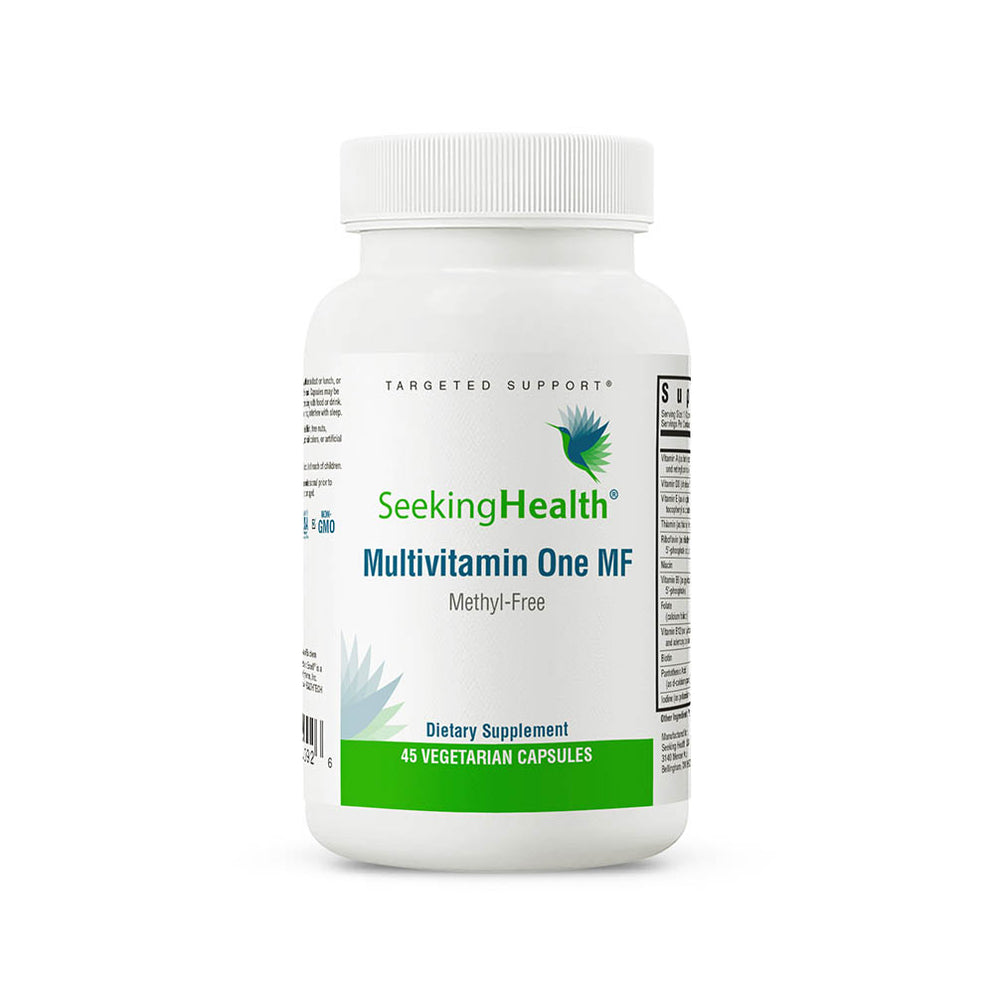
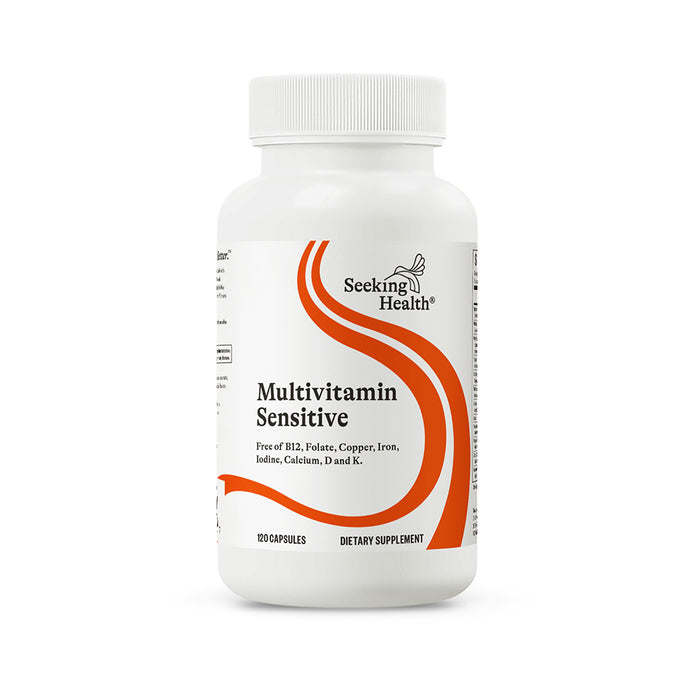
Dr. Berg says anyone without a gallbladder ‘needs’ to supplement ox bile with fatty meals. I use Seeking Health’s https://crrnt.app/SEEK/oeRA8zNQ and its wise to open our first few and dump out 60-90% of the capsule so we start slow. Just to help avoid pushing anything too fast at first. I’m big on doing this with any new supplements.
We also want to explore using things like TUDCA https://amzn.to/4q3dZoV to help build our own bile production.
And we want to get into other digestion support which I cover in my other digestion related articles.