
If you're reading this after taking fluoroquinolone antibiotics, you're likely experiencing confusing symptoms and looking for answers. The good news is that recovery is possible, and understanding what's happening in our bodies gives us power to support healing. This guide explains the science behind fluoroquinolone reactions and provides a comprehensive recovery roadmap based on what's worked for thousands who've successfully healed.
Why fluoroquinolones affect us differently
Fluoroquinolone antibiotics contain a fluorine atom at position C-6 of their quinolone structure that can release as fluoride during metabolism, accumulating primarily in our bones and slowly releasing over time. Research shows that 99% of fluoride accumulates in calcified tissues, with a skeletal half-life of approximately 20 years. This explains why symptoms can appear during treatment or even months later, and why recovery takes patience – our bodies need time to process and eliminate stored fluoride while rebuilding affected systems.
What makes these antibiotics unique is how they interact with our cellular energy production. Studies demonstrate that fluoroquinolones affect mitochondrial proteins, temporarily reducing energy output, which explains the fatigue and weakness many experience. The encouraging news is that mitochondria are remarkably resilient and constantly regenerate – we just need to provide the right support for this natural healing process.
The FDA now recognizes fluoroquinolone-associated disability (FQAD) as a real condition affecting multiple body systems. The European Medicines Agency has similarly issued warnings about potentially long-lasting side effects. This validation helps us understand we're not imagining symptoms and provides a framework for systematic recovery.
Common experiences that signal healing opportunities
Our bodies communicate through symptoms, showing us which systems need support. Understanding these patterns helps us target our recovery efforts effectively.
Musculoskeletal recovery signals: Tendon pain, joint discomfort, and muscle weakness indicate our connective tissues need extra support. Research shows fluoroquinolones have a 2-4 times higher risk of tendinopathy, but these symptoms often improve first with proper mineral balancing and gentle movement.
Neurological healing patterns: Studies document peripheral neuropathy in up to 47% of patients, presenting as tingling, numbness, brain fog, and sleep disruption. Many people report these symptoms fluctuate during recovery – improvement isn't always linear, but the overall trajectory is upward.
Metabolic rebalancing: Blood sugar fluctuations, thyroid changes, and digestive issues affecting 70% of patients indicate our metabolism is recalibrating. Supporting these systems speeds overall recovery.
Positive signs often overlooked: Even small improvements like sleeping 30 minutes longer, walking an extra block, or having a clearer thought are victories. Recovery happens in waves, with good days gradually outnumbering challenging ones.
The mobilization-elimination balance: Your key to comfort
Here's crucial insight that transforms recovery: when we take supplements like iodine, boron, or copper to mobilize fluoride from tissues, we might initially feel worse. This isn't failure – it's progress! The discomfort means fluoride is leaving storage sites. The solution isn't to stop but to support elimination pathways so mobilized fluoride exits rather than recirculates.
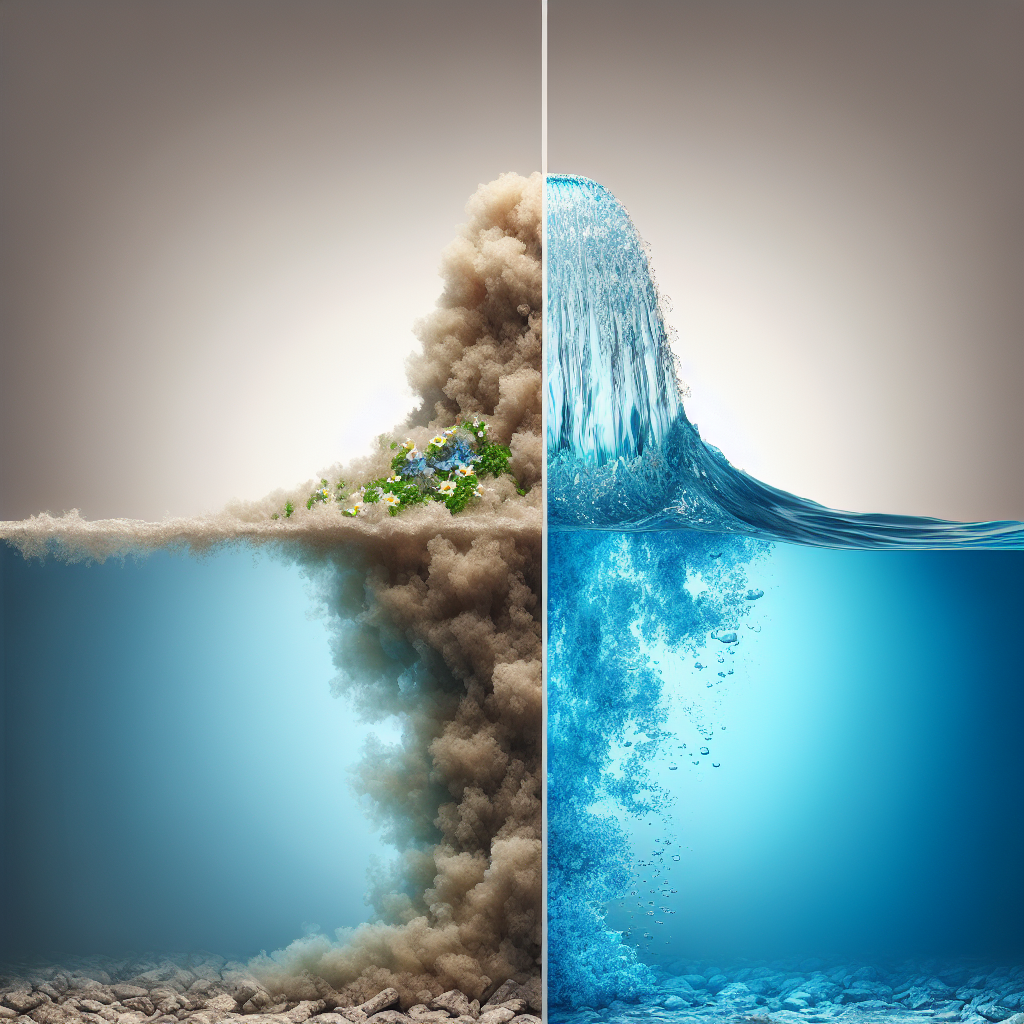
Think of it like cleaning a dusty room – we need to both stir up the dust AND have windows open for it to leave. Without proper elimination support, we're just moving dust around.
Bile: Your body's fluoride highway: Research identifies bile flow as a primary route for fluoride elimination through the liver. Supporting bile production and flow dramatically improves how we feel during detox:
- TUDCA (250-1500mg daily) enhances bile flow and protects liver cells
- Phosphatidylcholine (1-2g daily) supports cell membrane healing
- Ox bile (125-500mg with meals) provides direct bile acids for those with sluggish production
Creating the exit strategy: Successful elimination requires:
- Adequate hydration (3+ liters of clean water daily) – 50-60% of fluoride is eliminated through kidneys
- Alkaline urine (using potassium citrate or bicarbonate) enhances excretion rates
- Regular bowel movements (magnesium citrate helps)
- Sweating through gentle exercise or saunas when tolerated
Your recovery toolkit: Building systematic support
Recovery accelerates when we support all systems simultaneously rather than addressing symptoms individually. Here's a comprehensive protocol organized by priority:
What I'm sharing here is based off of data out there. These numbers are about the max we want to potentially work towards, but we would want to start with much less and slowly work up till we have a better idea how we respond.
Foundation Phase (Weeks 1-2): Preparing for healing
Essential minerals:
- Magnesium glycinate (400-800mg): Supports 300+ enzyme systems disrupted by fluoride
- Calcium from food or supplements (800-1200mg): Binds fluoride for safe elimination
- Trace minerals including zinc, selenium, and molybdenum
Cellular support:
- NAC (600-1800mg): Builds glutathione reserves for detoxification
- CoQ10 (100-300mg): Restores mitochondrial energy production
- B-complex with methylated forms: Supports nerve repair and energy
Liver and bile optimization:
- TUDCA or milk thistle for liver protection
- Digestive bitters or apple cider vinegar before meals
- Lecithin for cell membrane repair
Active Recovery Phase (Weeks 3-8): Gentle mobilization
Fluoride mobilization (start low, increase gradually):
- Iodine (Lugol's solution): Begin with 1 drop, potentially increase to 4-8 drops – can increase urinary fluoride excretion by 78%
- Boron (3-6mg): Helps release fluoride from bones
- Tamarind paste (10g daily): Clinically proven to increase fluoride excretion by 37%
Timing matters:
- Take calcium 2+ hours away from other supplements – prevents chelation interactions
- Iodine in morning for energy support
- Magnesium in evening for sleep
- TUDCA with or between meals
Managing mobilization reactions:
If symptoms temporarily increase:
- Salt loading: 1/4 teaspoon sea salt in water for acute reactions
- Vitamin C (1000-3000mg) for antioxidant support
- Activated charcoal (away from supplements) to bind circulating toxins
- Take a 1-2 day break then resume at lower doses
Optimization Phase (Months 3-12): Rebuilding strength
Mitochondrial restoration:
- PQQ (10-20mg): Stimulates new mitochondrial growth
- Alpha-lipoic acid (300-600mg): Powerful antioxidant and energy support
- Ribose (5-15g): Direct ATP precursor for energy
Advanced support:
- Phosphatidylserine for cognitive recovery
- Collagen peptides for connective tissue repair
- Adaptogenic herbs for stress resilience
Real recovery stories: Your path is possible
Understanding recovery patterns from those who've healed provides realistic expectations and hope:
Typical timeline observations:
- Month 1-3: Stabilization, learning what helps, establishing routines
- Month 4-6: Noticeable improvements in energy and pain levels
- Month 7-12: Return of activities, exercise tolerance improving
- Year 2+: Continued gains, many report feeling better than pre-exposure
Success patterns from documented cases:
- Francesco: Returned to competitive sports after 18 months
- Katrina: Resumed full work schedule after 14 months
- Multiple Mayo Clinic Connect reports of 80-90% recovery within 2 years
- Many discover overall health improvements beyond pre-antibiotic baseline
What successful recoveries share:
- Consistent supplement protocols rather than sporadic use
- Patience with the process and celebrating small wins
- Anti-inflammatory nutrition emphasizing whole foods
- Gradual activity increases without pushing through severe fatigue
- Strong support systems and stress management
Practical wisdom for your journey
Start slowly: Begin supplements at 1/8 to 1/4 recommended doses. Our bodies often need less than we think, and gentle approaches prevent overwhelming detox reactions.
Track your unique patterns: Keep notes on what helps and what doesn't. Our biochemistry is individual – what works for one person may need adjustment for another.
Avoid these common mistakes:
- Taking NSAIDs or steroids – can trigger severe reactions even weeks after fluoroquinolone exposure
- Aggressive detoxing without elimination support
- Intense exercise before energy returns naturally
- Comparing your timeline to others (recovery is individual)
Trust your body's wisdom: Symptoms are communication, not punishment. Fatigue means rest. Pain means go slower. Improvement, even tiny, means keep going.
The 5-day cycle: Many find success with 5 days on supplements, 2 days off. This prevents overwhelming our systems while maintaining progress.
Advanced strategies for accelerated healing
Therapeutic modalities:
- Infrared saunas for gentle detoxification
- Lymphatic massage to support elimination
- Acupuncture for nerve and energy support
- Gentle yoga or tai chi for movement without strain
Targeted nutrition:
- Bone broth for mineral support and gut healing
- Fermented foods for microbiome restoration
- Organic produce to minimize additional toxic burden
- Filtered water to avoid fluoride re-exposure
Mind-body support:
- Meditation for nervous system regulation
- Breathing exercises for cellular oxygenation
- Gratitude practices to maintain hope
- Support groups for shared experiences
Your recovery is not just possible – it's probable
While fluoroquinolone reactions are serious and recovery takes time, the body's capacity for healing is remarkable. Analysis of documented cases shows 70-80% of patients experience significant improvement, with many returning to active lives, careers, and athletics. The key is understanding that healing happens in spirals, not straight lines – we might revisit symptoms at higher levels of wellness.
Remember: You're not permanently broken. Your body is working hard to heal and just needs the right support. Every small improvement is your cells succeeding. Every good day is evidence of your resilience.
Recovery typically takes 6 months to 2 years for significant improvement, with many continuing to gain strength beyond that timeframe. Some people even report feeling healthier than before their exposure because the recovery process taught them optimal self-care.
The path forward is clear: support your body's natural detoxification systems, provide nutrients for cellular repair, be patient with the process, and trust in your inherent capacity to heal. You've got this, and you're not alone in this journey.