
Brain Fog: Why Nutrients Work Differently for Different People
Brain fog affects millions worldwide, yet treatment responses vary dramatically between individuals. Recent scientific research combined with extensive patient experiences reveals that brain fog is not a single condition but a syndrome with multiple underlying mechanisms – from autonomic dysfunction to sulfur metabolism issues to mitochondrial impairment. This explains why salt loading protocols can transform one person’s cognitive function within seconds while leaving another unchanged, or why MSM provides clarity for some but triggers severe headaches in others. Understanding these individual biochemical patterns, supported by both peer-reviewed research and thousands of documented patient experiences, enables targeted interventions that address root causes rather than merely managing symptoms.
The Science Behind Salt Loading and Autonomic Dysfunction
Salt supplementation represents one of the most dramatically effective yet selective interventions for brain fog. In patients with postural orthostatic tachycardia syndrome (POTS) and related autonomic dysfunction, 80% report significant brain fog improvement with IV saline, while 60% benefit from high-salt diets combined with increased fluid intake. The mechanism centers on blood volume expansion: salt increases plasma volume, improving venous return and cardiac output, which enhances cerebral blood flow and reduces cognitive symptoms. Phoenix Rising forum users describe transformative experiences, with one reporting “Ten seconds after taking the potassium, bam. I felt well for the first time in my life.”
The standard protocol involves 3-10 grams of sodium daily (one teaspoon equals 2 grams) combined with 2-3 liters of fluid intake, split throughout the day. Successful implementations often use specialized electrolyte supplements like Vitassium or NormaLyte, though homemade solutions combining ¼ teaspoon sea salt with ¼ teaspoon potassium chloride in 16-24 ounces of water prove equally effective for many. However, salt loading specifically benefits those with hypovolemia or orthostatic intolerance – individuals with normal blood volume or inflammatory conditions may experience no improvement or even worsening of symptoms. The key diagnostic clue: cognitive symptoms that worsen when standing and improve when lying down strongly suggest POTS-related brain fog that will respond to salt protocols.
Magnesium Pathways to Mental Clarity
Magnesium deficiency affects up to 50% of the population and directly impairs cognitive function through multiple mechanisms. As a natural NMDA receptor modulator, magnesium regulates synaptic plasticity and neurotransmitter synthesis while supporting over 300 enzymatic reactions critical for brain function. A 2024 meta-analysis identified an optimal serum magnesium concentration of approximately 0.85 mmol/L for cognitive function, with levels below this threshold associated with increased brain fog, memory problems, and cognitive decline.
Different forms of magnesium offer distinct benefits for brain fog management. Magnesium L-threonate stands out as the only form proven to effectively cross the blood-brain barrier, with studies showing significant improvements in memory tests using 1.5-2 grams daily (providing 144mg elemental magnesium). Forum users consistently report that magnesium glycinate provides calming effects and reduces stress-related brain fog at doses of 400-800mg daily, while magnesium malate particularly helps fatigue-related cognitive dysfunction. One Phoenix Rising user noted: “I take my largest dose at about 10:30 at night and notice almost an immediate clearing of my mind and vision.”
The safety profile of magnesium supplementation remains excellent, with mild laxative effects from certain forms (sulfate, citrate) being the primary side effect. However, magnesium citrate can cause insomnia in sensitive individuals due to citrate conversion to glutamate, an excitatory neurotransmitter. Starting with 200mg daily and gradually increasing to 400-600mg split into two doses optimizes absorption while minimizing digestive effects.
Sulfur Metabolism: MSM and Molybdenum Connections
MSM (methylsulfonylmethane) and molybdenum represent crucial yet often overlooked interventions for brain fog, particularly in individuals with sulfur metabolism dysfunction. MSM provides bioavailable sulfur that readily crosses the blood-brain barrier, with MRS studies confirming brain tissue accumulation at 0.42-3.40 mmole/kg after 1-3 grams daily oral supplementation. This sulfur supports glutathione synthesis, reduces neuroinflammation through Nrf2 pathway activation, and modulates neurotransmitter function.
However, MSM responses vary dramatically based on individual genetics. Up to 40% of the population carries CBS gene variants (C677T, A1298C) that affect sulfur processing, leading to either improvement or severe worsening with MSM supplementation. Forum users report a stark division: successful users describe reduced brain fog and improved energy at 1-6 grams daily, while sulfite-sensitive individuals experience severe headaches, anxiety, and “speedy” feelings. One user warned: “MSM can cause HEADACHES if you’re sulfite sensitive… I started getting daily headaches, worsening brain fog.”
Molybdenum plays a critical role as a cofactor for sulfite oxidase, the enzyme converting toxic sulfites to safer sulfates. Deficiency leads to sulfite accumulation causing cognitive impairment and brain damage. For individuals with sulfur sensitivity or high sulfur exposure, molybdenum supplementation at 100-600 mcg twice daily can provide dramatic relief by enhancing sulfite clearance. The combination of NAC, selenium, and molybdenum has shown particular promise in forum discussions, with users reporting synergistic effects for brain fog reduction.
Vitamin C’s Cognitive Enhancement Mechanisms
Vitamin C deficiency specifically manifests as brain fog, confusion, and memory problems due to its essential role in neurotransmitter synthesis. As a cofactor for dopamine, norepinephrine, and serotonin production, vitamin C directly impacts cognitive clarity and mood regulation. The brain maintains the highest vitamin C concentrations in the body even during deficiency states, highlighting its critical importance for neural function. Multiple studies link higher vitamin C levels to better performance on cognitive tests, with therapeutic doses of 500-1000mg daily showing consistent benefits.
Forum users report significant success with high-dose vitamin C protocols, particularly the Linus Pauling approach of 4-5 grams taken five times daily (20-25 grams total). Liposomal vitamin C bypasses bowel tolerance limits, allowing higher absorption without digestive upset. One Longecity forum user reported: “Huge reduction in my OCD… I’m not as stuck in the same thoughts,” along with improved written and verbal communication skills. The key to success appears to be maintaining consistent blood levels through split dosing rather than single large doses. While regular vitamin C plateaus at approximately 150mg absorption per dose, liposomal forms circumvent this limitation, making them particularly valuable for therapeutic applications.
Glutathione: The Master Antioxidant for Brain Detoxification
Glutathione functions as the body’s master antioxidant, with lower levels consistently found in Alzheimer’s patients and those with mild cognitive impairment. A 2024 study established a strong link between higher glutathione levels and better visuospatial memory, while clinical reports show improvements in brain fog with IV glutathione therapy at doses of 400-2000mg per session. The challenge lies in bioavailability: oral glutathione has limited absorption, leading many to use precursors like N-acetylcysteine (NAC) at 600-1800mg daily or liposomal formulations at 100-400mg daily.
Yale research identified NAC as particularly effective for COVID-related brain fog when combined with guanfacine, with 8 out of 12 patients showing substantial benefits. Mayo Clinic Connect users report rapid improvements: “I noticed an improvement very quickly. I have clearer thinking, better short memory, improved executive functioning.” The mechanism involves both direct antioxidant effects and support for phase II detoxification of heavy metals and environmental toxins. Forum discussions emphasize combining NAC with selenium (200mcg) and molybdenum for synergistic effects, particularly for mold or biotoxin-related brain fog where detoxification pathways require additional support.
Trace Minerals: Selenium and Molybdenum Roles
Selenium and molybdenum, though required in trace amounts, play outsized roles in brain fog management through their enzymatic functions. Selenium serves as an essential component of 25 selenoproteins including glutathione peroxidase, with meta-analyses showing supplementation can improve cognitive measures in mild cognitive impairment. University of Queensland research confirms memory and learning improvements with 200mcg daily supplementation.
Molybdenum’s importance becomes apparent in cases of sulfite toxicity, where the absence of this cofactor for sulfite oxidase leads to cognitive impairment and neurological symptoms. While molybdenum deficiency is rare, individuals with CBS gene variants or high sulfur exposure may require 150-500mcg daily supplementation. The narrow therapeutic windows for both minerals require careful dosing – selenium toxicity can occur above 400mcg daily, while molybdenum excess interferes with copper absorption above 2000mcg daily.
Oral Microbiome Interventions for Cognitive Clarity
Emerging research reveals surprising connections between oral health and cognitive function, with oral pathogens detected in autopsies of Alzheimer’s patients’ brain tissue. Oil pulling, an ancient Ayurvedic practice, has gained scientific validation as equally effective as medicated chlorhexidine mouthwash for reducing oral pathogens. The standard protocol involves swishing 1-2 teaspoons of organic coconut or sesame oil for 10-20 minutes each morning before brushing teeth, with users reporting cognitive improvements within weeks.
Supporting interventions include daily tongue scraping with copper or stainless steel scrapers, xylitol protocols (5g daily in divided doses) to support beneficial bacteria, and specific oral probiotics like Streptococcus salivarius K12. Many forum users emphasize avoiding commercial mouthwashes that disrupt healthy oral bacteria, instead focusing on mechanical cleaning and natural antimicrobials. Mercury amalgam removal under proper protocols (rubber dam, high-volume suction) frequently appears in success stories, with cognitive improvements reported 3-6 months post-removal, though this requires specialized dental care and often chelation therapy.
Cycling Strategies Prevent Supplement Tolerance
Experienced brain fog sufferers consistently report that many supplements “poop out” after 4-6 months, leading to sophisticated cycling strategies. The most common approach involves 5 days on/2 days off for stimulating nootropics, preventing receptor downregulation while maintaining benefits. Monthly rotations between supplement categories prove effective – antioxidants one month, cholinergics the next, adaptogens following. Seasonal adjustments also play a role, with heavier supplementation during winter months and lighter protocols in summer when vitamin D from sunlight reduces needs.
Successful examples from forums include rotating ashwagandha for 6 weeks, then Lion’s Mane for 6 weeks, then rhodiola for 6 weeks to maintain BDNF-boosting effects without adaptation. For antioxidants, users alternate between vitamin C + E for 2 weeks and CoQ10 + L-carnosine for 2 weeks. The key principle involves varying mechanisms of action rather than simply changing brands, with 1-week breaks every 4-6 weeks for stimulants like caffeine or modafinil to reset tolerance.
Personalized Approaches Based on Brain Fog Type
Different brain fog etiologies require distinct treatment approaches, explaining why interventions help some while harming others. Post-viral brain fog, including Long COVID, responds particularly well to the Yale protocol of guanfacine (1-2mg at bedtime) plus NAC (600mg daily), with 67% of patients showing substantial benefits. This addresses prefrontal cortex dysfunction while reducing inflammation. ME/CFS brain fog, characterized by post-exertional malaise, requires careful pacing within energy envelopes combined with mitochondrial support through CoQ10, NADH, and L-carnitine, explicitly avoiding graded exercise that worsens symptoms.
Mold and biotoxin-related brain fog necessitates binder protocols using cholestyramine, activated charcoal, or bentonite clay taken 1-2 hours away from meals and supplements, combined with environmental remediation. POTS-related brain fog shows the most dramatic response to salt loading protocols, while MCAS (Mast Cell Activation Syndrome) brain fog requires H1 and H2 antihistamines plus mast cell stabilizers like quercetin (500mg 2-3x daily). Hormonal brain fog, particularly during perimenopause, often resolves with bioidentical hormone replacement therapy, while thyroid-related cases may need T3 addition to standard T4 therapy for complete resolution.
Low-Cost Interventions with High Impact
Accessible interventions prove remarkably effective for many brain fog sufferers. The foundation involves optimizing electrolyte balance through homemade solutions costing pennies per day – combining salt, potassium chloride, and water provides benefits matching expensive commercial products. Breathing exercises, particularly 4-7-8 breathing (inhale 4 counts, hold 7, exhale 8) performed 2-3 times daily, improve autonomic function and cerebral oxygenation without cost.
Cold water therapy, progressing from 30-second cold shower finishes to 3-5 minute sessions, activates norepinephrine and improves mitochondrial function. Strategic sunlight exposure within one hour of waking for 10-15 minutes without sunglasses regulates circadian rhythms and vitamin D production. Sleep optimization through consistent timing (±30 minutes), room temperature of 65-68°F, and magnesium supplementation 2 hours before bed addresses the fundamental rest required for cognitive recovery. These interventions, when combined with dietary changes like 30-day elimination diets to identify trigger foods, often provide substantial improvement before considering expensive supplements or treatments.
Integration and Safety Considerations
Successful brain fog management requires systematic integration rather than haphazard supplementation. The optimal approach begins with foundational support – addressing gut health, basic micronutrients (multivitamin, magnesium, omega-3s), and electrolyte balance during weeks 1-4. Targeted support follows in weeks 4-12, adding genetic-specific nutrients based on testing, mitochondrial support, and methylation assistance if indicated. Advanced optimization after week 12 involves fine-tuning dosages, adding specialized compounds like PQQ or NMN, and transitioning to maintenance protocols.
Critical safety considerations include starting at 25-50% of target doses and increasing gradually every 1-2 weeks while monitoring for overstimulation (anxiety, insomnia) or adverse reactions. Never introduce more than 2-3 new supplements per week, allowing adequate time to assess individual responses. Timing matters significantly – iron should not be taken with calcium, magnesium, or zinc due to competitive absorption, while stimulating nutrients like B-vitamins belong in morning doses. Understanding negative interactions prevents problems: high-dose methyl donors without cofactors can trigger overmethylation symptoms including anxiety and mood swings, while combining multiple serotonergic supplements risks serotonin syndrome.
Conclusion
Brain fog management succeeds through understanding individual biochemical patterns rather than applying universal protocols. The dramatic variation in responses – from instant improvement with salt loading in POTS patients to severe worsening with MSM in sulfite-sensitive individuals – reflects underlying genetic polymorphisms, metabolic differences, and specific pathological mechanisms. Scientific evidence increasingly supports what patient communities have long reported: successful treatment requires personalized approaches addressing root causes, whether autonomic dysfunction, mitochondrial impairment, or neuroinflammation. By combining peer-reviewed research with extensive real-world experiences from thousands of patients, individuals can identify their specific brain fog type and implement targeted interventions ranging from simple electrolyte optimization to sophisticated supplement cycling strategies, ultimately achieving the cognitive clarity that one-size-fits-all approaches fail to deliver.
How I Handle Brain Fog
I make sure I’m eating enough in general, and that I’m eating enough protein and fat asap in the morning. We need protein to run the machine that helps us clear this type of stuff.
I try to drink water first thing when I wake up, as I go outside to stand barefoot in the sun for a few minutes before going for a walk for 10+ minutes.
I try to drink some electrolytes before I walk and leave a few sips for when I return.
Then I cycle a handful of nutrients in an attempt to support my system enough to clean whatever is stuck.
I try salt loading which can squeeze stuff out of our cells. Sometimes I notice a little clarity instantly. If I notice clarity or a trip to the bathroom, I salt load again.
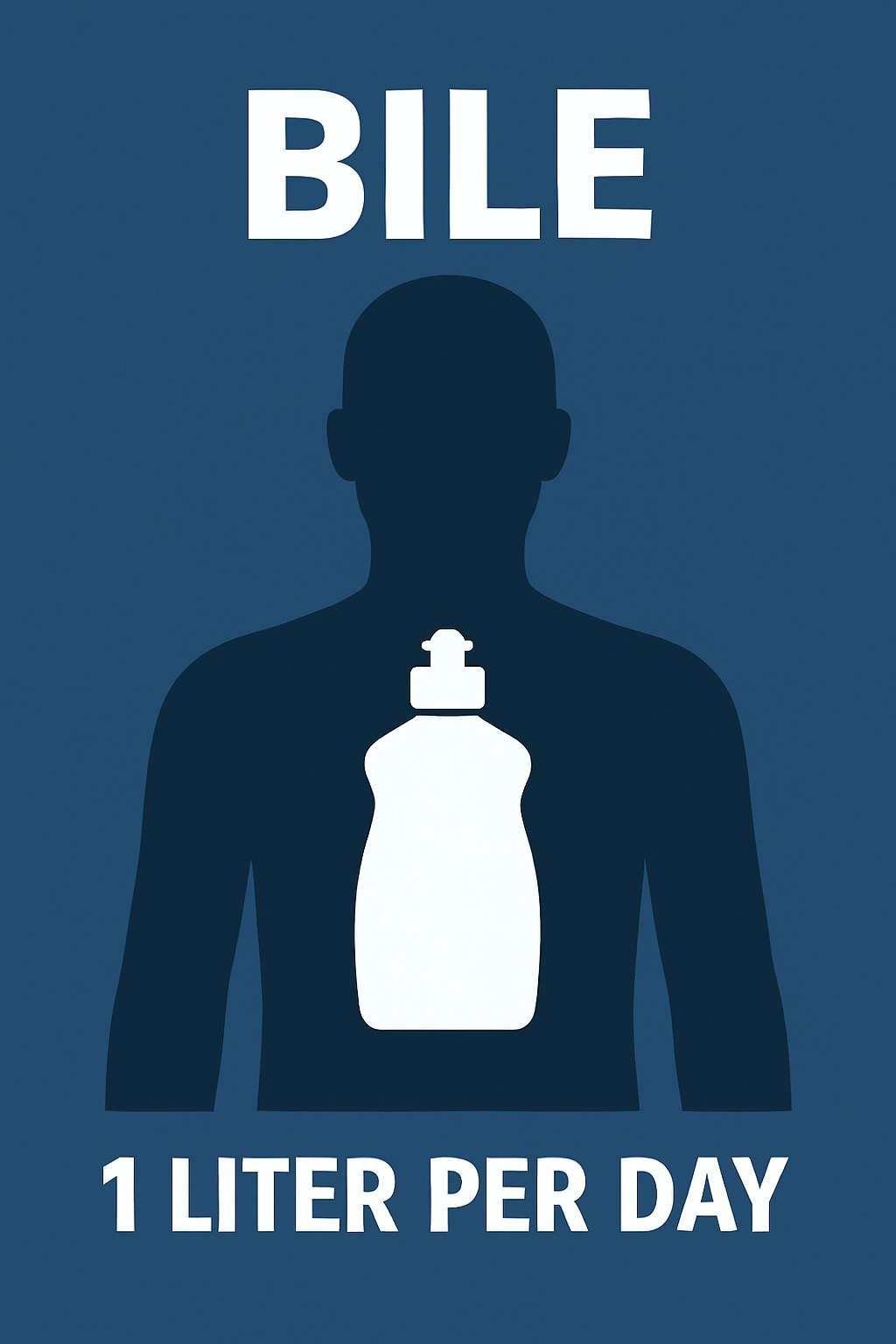
I add pure epsom salt to water and sip on it. I do not make this strong like people do for flushes. The first time I did this, it instantly sent me to the bathroom and helped me feel so much better. If we cannot handle sulfur, we need to figure out why. Sulfur carries toxins to bile to export them. Sulfate of epsom salt can reduce pressure on our sulfur system, allowing it to help us detox.
I sprinkle MSM in water and sip on it.
I sprinkle NAC in water and sip on it.
I try liposomal vitamin C.
I try glutathione with ‘cofactors’ molybdenum, selenium, b2 and pqq.
I snort colloidal silver spray. I don’t use silver often but I try a few sprays when I don’t feel right and can’t figure out why.
I try additional fats or MCT oil or raw eggs or more eggs.
Now I cycle through just about anything else on pathway map.
I try energy nutrients in the morning and brain nutrients anytime. Both of these have helped in various ways.
Betaine(TMG), choline, glycine, Flushing Niacin b3, copper, zinc, sulforaphane, CDG, carnitine, carnosine, CoQ10, NADH, NMN quercetin, more forms of magnesium.
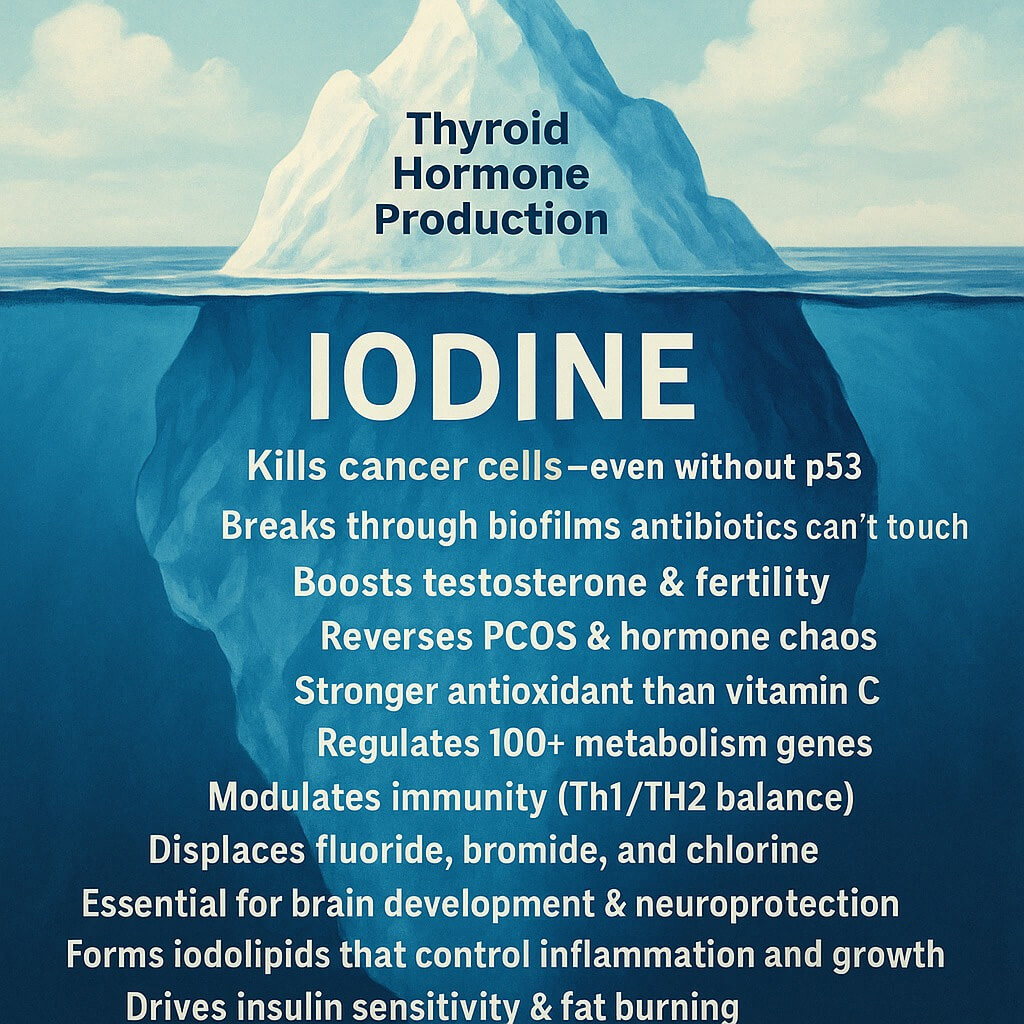
Usually when I’m foggy I avoid iodine but I sometimes try a small amount if I haven’t had any in a while.
I lay in my red lights and sometimes use the nasal/ear red lights. Sometimes I burn myself out working on the computer, lay in the lights, burn myself out on the computer and go back to the lights