
Anxiety affects millions of adults aged 20-50, manifesting as both sudden, overwhelming spikes and persistent, chronic unease. Modern neuroscience reveals anxiety as a complex interplay between brain chemistry, neural circuits, and life experiences – but more importantly, research shows multiple evidence-based pathways to relief. This comprehensive guide synthesizes the latest findings to provide practical, scientifically-grounded strategies for both immediate relief and long-term management.
The bottom line: Anxiety results from disrupted brain chemistry and overactive fear circuits, but evidence-based techniques can provide relief within minutes for acute episodes, while longer-term approaches like cognitive behavioral therapy, lifestyle modifications, and targeted medications can fundamentally rewire anxiety responses. Digital interventions have emerged as equally effective alternatives to traditional therapy, making treatment more accessible than ever. The most successful approach combines immediate coping tools with sustained lifestyle changes and, when needed, professional intervention.
The Neuroscience of Anxiety: Why Your Brain Creates Fear
Understanding anxiety begins with recognizing it as a biological survival mechanism gone awry. The anxious brain exhibits measurable chemical imbalances and structural differences that perpetuate fear responses even in the absence of real threats.
At the chemical level, anxiety involves dysfunction in four key neurotransmitter systems. GABA, the brain’s primary “brake” system, becomes underactive in anxious individuals, allowing excessive neural firing that manifests as racing thoughts and physical tension. Studies using magnetic resonance spectroscopy show decreased GABA concentrations in the occipital cortex and anterior cingulate cortex of people with panic disorder. Meanwhile, serotonin dysregulation disrupts mood stability – genetic variations in the serotonin transporter gene increase anxiety risk by up to 50%. The norepinephrine system, responsible for fight-or-flight responses, becomes hyperactive, driving the physical symptoms of panic like rapid heartbeat and sweating. Finally, cortisol – the stress hormone – creates a vicious cycle: chronic anxiety leads to sustained cortisol elevation, which in turn makes the amygdala (fear center) more reactive and impairs the prefrontal cortex’s ability to regulate emotions.
The distinction between acute anxiety spikes and chronic states reflects different underlying mechanisms. Panic attacks involve rapid activation of the amygdala-hypothalamus pathway, triggering massive sympathetic nervous system response within seconds. Symptoms peak within 5-10 minutes as epinephrine floods the system. In contrast, generalized anxiety involves sustained alterations: structural brain changes including increased amygdala volume, persistent GABA downregulation, and disrupted cortisol rhythms that maintain a constant state of hypervigilance.
These biological vulnerabilities interact with psychological patterns and life experiences. Catastrophic thinking patterns activate the amygdala as powerfully as real threats. Early life trauma can create lasting epigenetic changes that increase stress reactivity throughout life. Chronic psychosocial stress serves as both trigger and maintaining factor, creating self-reinforcing cycles of anxiety. Understanding these mechanisms isn’t just academic – it reveals why certain interventions work and helps individuals recognize anxiety as a treatable medical condition rather than a personal failing.
Immediate Relief: Evidence-Based Techniques That Work Within Minutes
When anxiety strikes, you need tools that work fast. Research has identified several techniques that can reduce anxiety symptoms within minutes, ranked here by strength of scientific evidence and real-world effectiveness.
Box breathing stands as the most universally effective immediate intervention, with multiple systematic reviews showing small-to-moderate effect sizes and relief within 30 seconds to 2 minutes. The technique is simple: inhale for 4 counts, hold for 4, exhale for 4, hold empty for 4, then repeat 4-8 cycles. The magic lies in its activation of the parasympathetic nervous system, essentially forcing your body out of fight-or-flight mode. Similarly effective is the 4-7-8 breathing technique: inhale for 4, hold for 7, exhale for 8. The extended exhale specifically stimulates the vagus nerve, triggering rapid calming responses.
Progressive muscle relaxation provides another tier-one intervention backed by 46 studies. The abbreviated version takes just 2-3 minutes: systematically tense each muscle group for 5 seconds, then release for 10, moving from feet to face. The contrast between tension and relaxation interrupts the anxiety cycle and grounds you in physical sensations rather than anxious thoughts.
For those who need sensory grounding, the 5-4-3-2-1 technique engages all senses to pull focus from internal anxiety to external reality. Notice 5 things you see, 4 you can touch, 3 you hear, 2 you smell, and 1 you taste. This simple exercise, taking 1-3 minutes, effectively interrupts rumination and panic spirals.
More unconventional but surprisingly effective is cold water stimulation. Splashing cold water on your face or holding a cold compress to your neck for 30 seconds activates the mammalian dive response, immediately shifting your nervous system toward calm. Studies show parasympathetic activation within 15 seconds. The butterfly hug, adapted from EMDR therapy, uses bilateral stimulation: cross your arms over your chest and alternate gentle tapping like butterfly wings while breathing deeply. This technique, requiring just 1-2 minutes, helps integrate left and right brain hemispheres disrupted during anxiety.
Several smartphone apps now deliver clinically validated interventions. Headspace and Calm offer guided exercises with randomized controlled trial support. Meta-analysis of 176 studies shows small but significant effects. The key is practicing these techniques when calm, building familiarity so they’re accessible during crisis. An effective acute protocol might combine 30 seconds of box breathing, 30 seconds of cold water to the face, and one minute of 5-4-3-2-1 grounding – a total of 2 minutes to significant relief.
Long-Term Solutions: Rewiring Your Anxious Brain
While immediate coping techniques provide crucial relief, lasting freedom from anxiety requires addressing root causes through evidence-based long-term interventions. The most effective approach combines psychotherapy, lifestyle modifications, and when necessary, medication or supplements.
Cognitive Behavioral Therapy remains the gold standard for anxiety treatment, with effect sizes ranging from 0.22 to 0.85 across different anxiety disorders. CBT’s power lies in systematically identifying and restructuring the thought patterns that maintain anxiety. Over 12-20 sessions, individuals learn to recognize catastrophic thinking, test these thoughts against reality, and develop more balanced perspectives. Crucially, CBT’s benefits persist: studies show maintenance of gains 12+ months post-treatment with relapse rates of only 0-14%. Acceptance and Commitment Therapy offers a compelling alternative, particularly for those who struggle with traditional CBT’s emphasis on changing thoughts. ACT achieves similar outcomes by teaching psychological flexibility – the ability to experience anxiety without being controlled by it. Meta-analyses show ACT performing equivalently to CBT, with some individuals preferring its values-based approach.
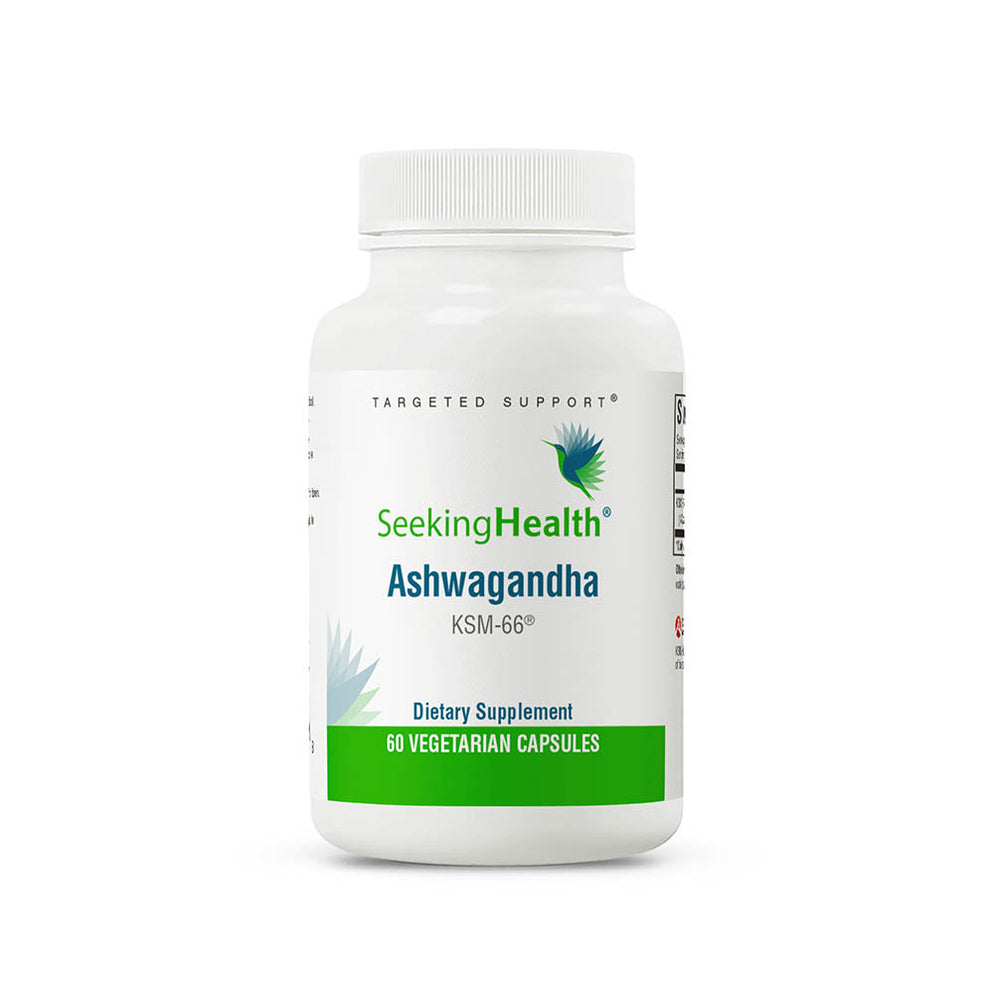
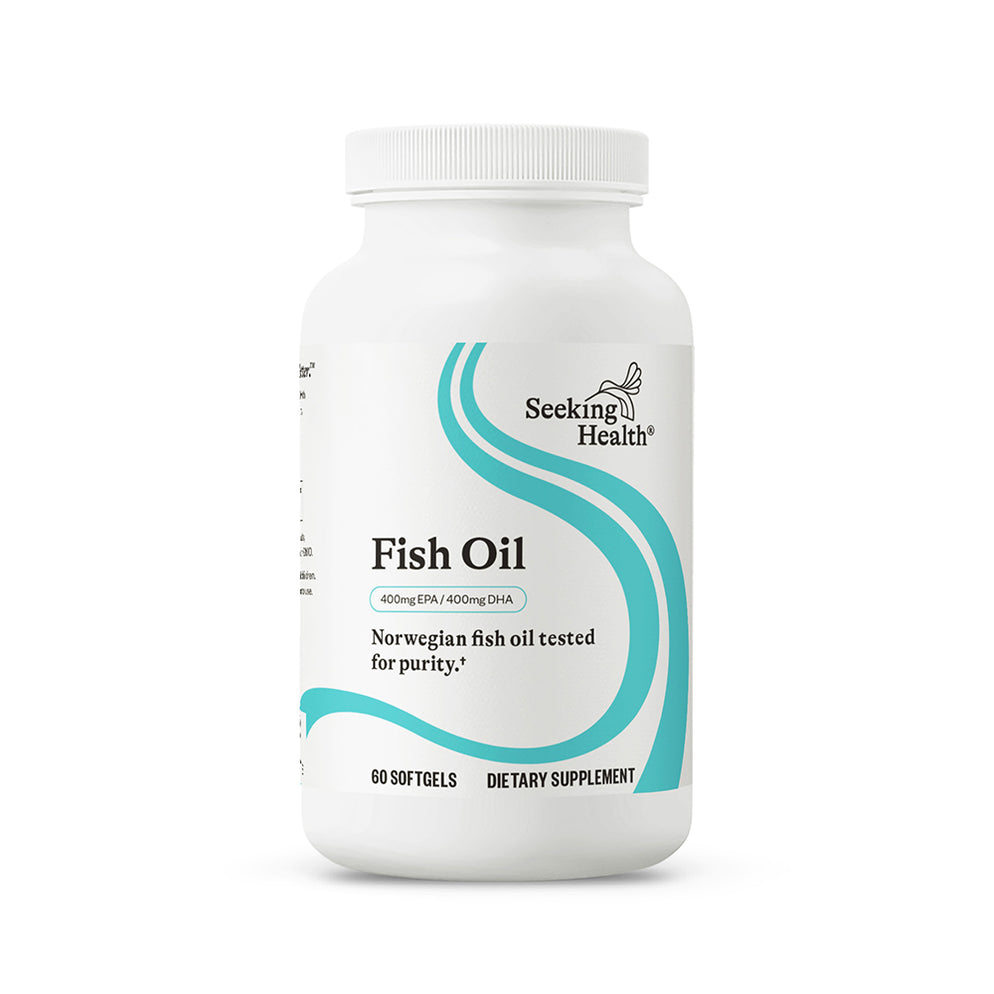
Natural supplements offer a growing evidence bases. Ashwagandha shows particularly strong effects, with systematic reviews finding large effect sizes for anxiety reduction (SMD = -1.55). The optimal dose of 300-600mg daily reduces cortisol and enhances stress resilience within 2-8 weeks. Omega-3 fatty acids demonstrate dose-dependent benefits, with 1 gram daily of high-EPA formulations showing moderate effects. L-theanine (100-200mg) provides rapid anxiolytic effects within hours, while magnesium glycinate (100-350mg) supports nervous system regulation.
Lifestyle modifications create the foundation for sustained anxiety management. Exercise emerges as a powerful intervention, with meta-analyses showing moderate effect sizes. The prescription is specific: 30-45 minutes of moderate to vigorous activity, 3-5 times weekly, with benefits emerging within 2-4 weeks. Both aerobic and resistance training prove effective. Sleep optimization shows similarly robust effects – improvements in sleep quality demonstrate medium effect sizes for anxiety reduction. This means maintaining consistent sleep/wake times, limiting caffeine after 2 PM, and implementing CBT for insomnia when needed.
The most successful outcomes combine multiple approaches. Starting with CBT or ACT provides skills and insights, while adding exercise and sleep optimization amplifies benefits. Supplements can support the process, with medication reserved for severe cases or partial responders. This integrative approach addresses anxiety from multiple angles, creating resilient, lasting change.
The Cutting Edge: What’s New in Anxiety Treatment
The landscape of anxiety treatment has transformed dramatically in recent years, with digital interventions and novel therapies expanding options beyond traditional approaches. These advances matter because they’re making effective treatment more accessible and addressing previously treatment-resistant cases.
Digital therapy has achieved a remarkable milestone: a 2023 meta-analysis of 47 studies found digital anxiety interventions produce large effect sizes (g = 0.80) and perform equivalently to face-to-face therapy. This isn’t just convenient – it’s revolutionary for the millions who can’t access traditional therapy due to cost, location, or therapist shortages. Internet-delivered CBT now serves as a legitimate first-line treatment, with programs like MindSpot and This Way Up demonstrating real-world effectiveness. Virtual reality takes this further, with VR exposure therapy matching in-vivo exposure for phobias while offering complete control over the therapeutic environment.
Among breakthrough treatments, ketamine-assisted psychotherapy shows particular promise for treatment-resistant anxiety. Unlike traditional medications taking weeks to work, ketamine can provide relief within hours. Meta-analyses demonstrate significant effects across anxiety disorders, with social anxiety showing especially strong responses. The key insight: ketamine appears to rapidly enhance neuroplasticity, creating a window for accelerated therapeutic change when combined with psychotherapy. Similarly, psilocybin research has earned FDA breakthrough therapy designation, with studies showing sustained anxiety reduction lasting 6+ months after just 1-2 treatments.
The gut-brain axis represents an entirely new frontier in anxiety treatment. Emerging research reveals that gut bacteria influence anxiety through multiple pathways: producing neurotransmitters like GABA and serotonin, modulating inflammation, and affecting stress hormone regulation. Clinical trials of multi-strain probiotics show measurable anxiety reduction, while prebiotics that feed beneficial bacteria demonstrate stress resilience benefits. This isn’t alternative medicine – it’s backed by mechanistic research showing how specific bacterial strains influence brain function.
Precision medicine approaches are moving anxiety treatment from trial-and-error to targeted intervention. Biomarker research has identified genetic markers that predict medication response, with pharmacogenomic testing now covered by major insurers. A 2023 Molecular Psychiatry study identified six key biomarkers (including GAD1, NTRK3, and SLC6A4) that enable personalized treatment selection. Combined with neuroimaging showing individual brain activation patterns, clinicians can increasingly match treatments to individual biology rather than relying solely on symptom presentation.
The COVID-19 pandemic, while increasing anxiety prevalence by 25% globally, accelerated treatment innovation. The rapid shift to telehealth proved that remote delivery maintains effectiveness while improving access. Hybrid models combining in-person and digital elements emerged as optimal for many patients. Most significantly, the pandemic highlighted that scalable, accessible interventions aren’t just convenient – they’re essential for population-level mental health.
Your Personalized Action Plan: Combining Immediate and Long-Term Strategies
Creating an effective anxiety management plan requires integrating immediate coping tools with long-term strategies tailored to your specific needs and circumstances. The key is building a comprehensive toolkit that addresses both crisis moments and underlying patterns.
Start with a foundation of immediate relief techniques. Master box breathing and progressive muscle relaxation during calm moments, practicing daily for 5-10 minutes until they become automatic. Download a validated app like Headspace or Calm for guided support. Keep cold water or ice packs accessible for rapid vagus nerve stimulation during acute anxiety. Create a “panic protocol” card listing your most effective techniques in order – when anxiety impairs thinking, you’ll have a ready roadmap. Most importantly, practice these skills when calm so muscle memory kicks in during crisis.
For long-term change, begin with accessible interventions before escalating. Start with internet-delivered CBT if traditional therapy isn’t immediately available – programs like MoodGYM offer structured, evidence-based modules. Simultaneously, implement lifestyle modifications: commit to 30 minutes of moderate exercise at least 3 times weekly, choosing activities you enjoy to ensure adherence. Prioritize sleep hygiene by setting consistent bedtimes, creating a cool, dark sleeping environment, and limiting screens before bed. Track your progress using validated measures like the GAD-7 scale monthly to objectively assess improvement.
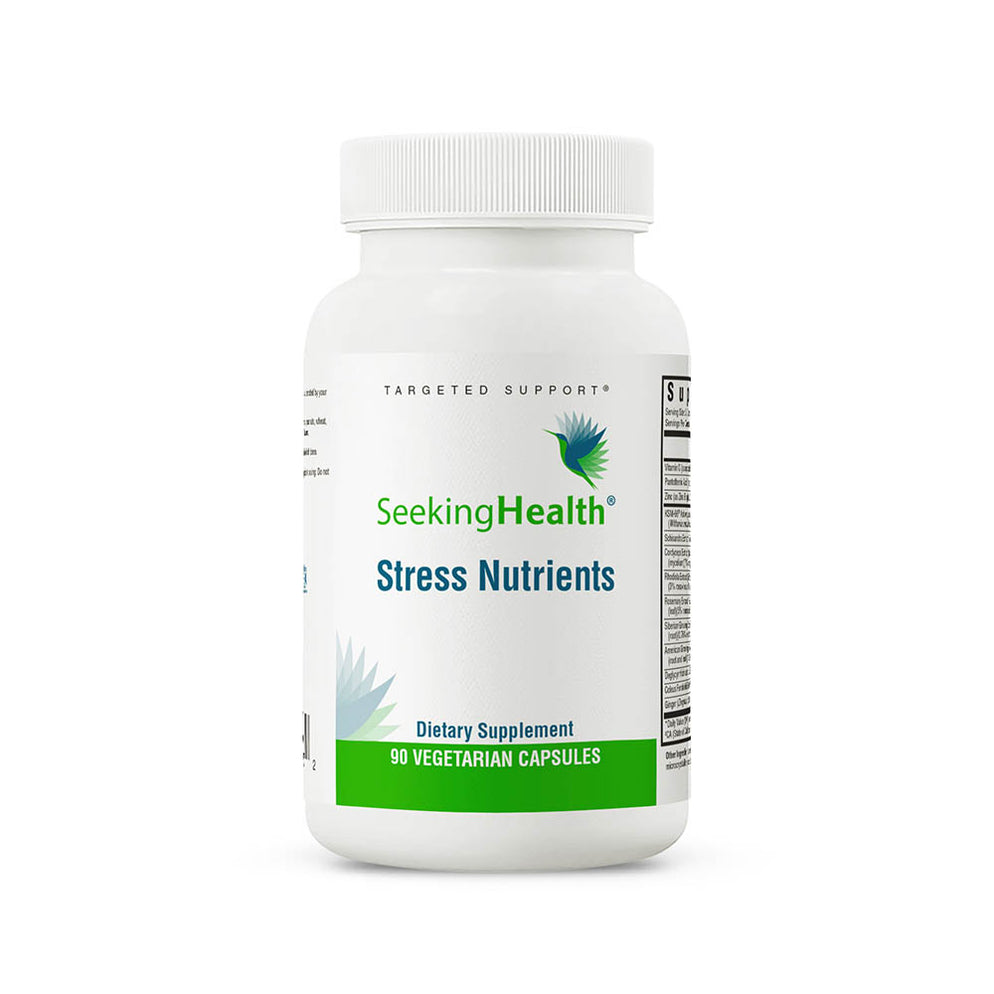
Consider supplements as gentle, evidence-based support. Begin with omega-3 fatty acids (1g daily with >60% EPA) and add either ashwagandha (300-600mg) or L-theanine (200mg) based on your needs – ashwagandha for chronic stress, L-theanine for acute anxiety. Give each supplement 4-8 weeks before assessing effectiveness. If anxiety remains problematic after 2-3 months of consistent lifestyle interventions and self-help, seek professional evaluation for therapy and possible medication.
The stepped-care approach maximizes efficiency and cost-effectiveness. Level 1 includes self-help resources, basic lifestyle changes, and supplements. Level 2 adds group therapy or structured online programs. Level 3 involves individual therapy (CBT or ACT) and medication evaluation. Level 4 addresses treatment-resistant cases with intensive therapy, multiple medication trials, or novel interventions like ketamine-assisted therapy. Most people find significant relief at Levels 1-2, but don’t hesitate to escalate if needed.
For sustainable success, focus on maintenance and relapse prevention. Schedule monthly “check-ins” with yourself to assess anxiety levels and adjust strategies. Build a support network – whether friends, online communities, or support groups. Create an “early warning system” by identifying your personal anxiety triggers and early symptoms. Maintain effective interventions even when feeling better – like exercise or meditation – as these create resilience against future anxiety episodes.
Conclusion
Anxiety in young to mid-aged adults stems from complex interactions between brain chemistry, neural circuits, and life experiences – but understanding these mechanisms reveals multiple pathways to relief. From immediate techniques providing relief within minutes to comprehensive long-term strategies that fundamentally rewire anxious patterns, evidence-based options have never been more diverse or accessible.
The transformation in anxiety treatment over recent years offers genuine hope. Digital interventions now match traditional therapy’s effectiveness while reaching those previously unable to access care. Novel treatments like ketamine-assisted therapy provide options for treatment-resistant cases. Precision medicine approaches enable targeted treatment selection based on individual biology. Perhaps most importantly, the integration of immediate coping skills with sustained lifestyle modifications, therapy, and when needed, medication, creates a robust framework for lasting change.
Your journey with anxiety is unique, but you’re not alone, and you’re not without options. Start with one immediate technique and one long-term strategy. Build from there. Track your progress. Celebrate small victories. With consistent application of evidence-based approaches, the anxious brain can learn new patterns, finding calm where there was once only fear.